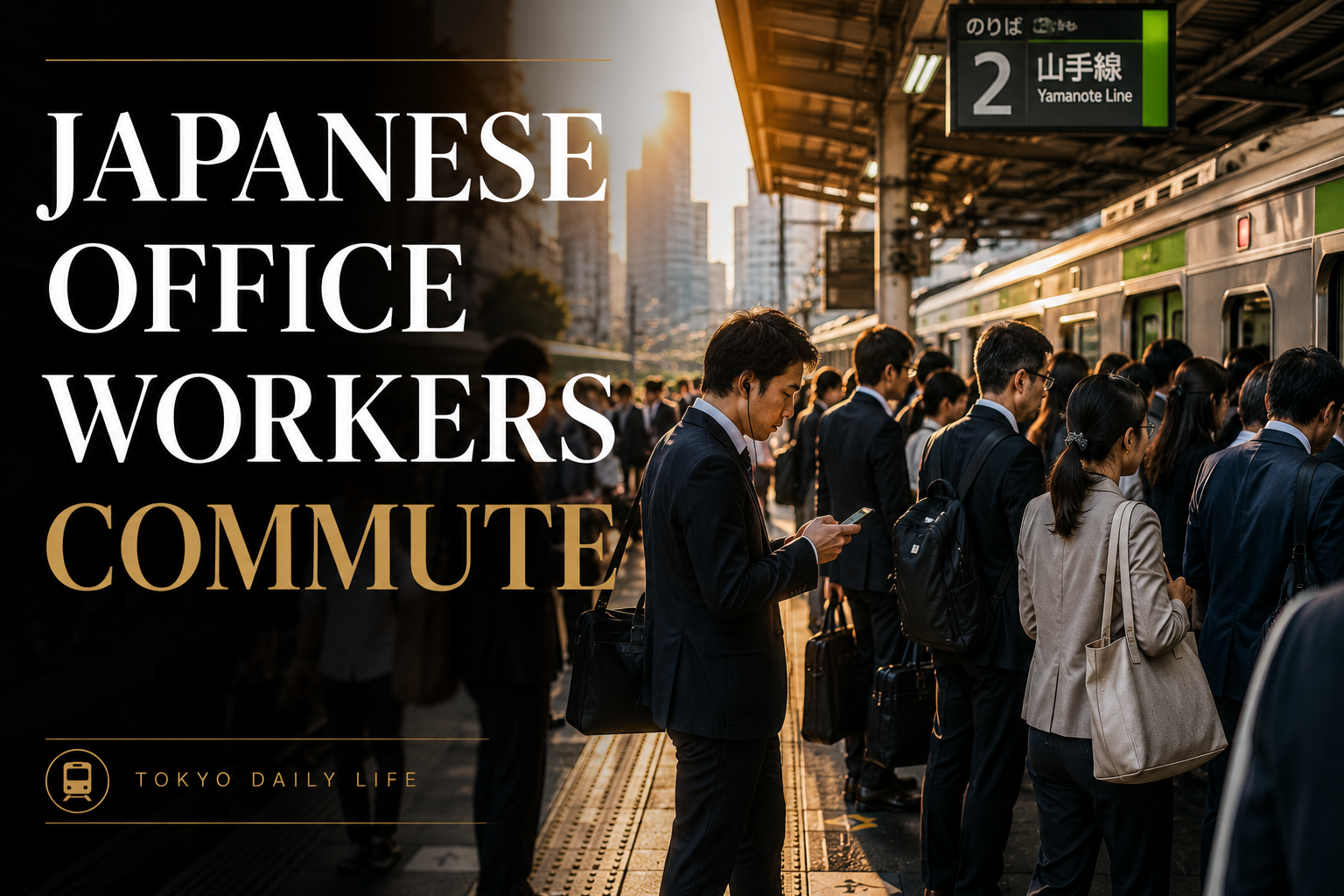
How Japanese Office Workers Commute (2026)
Disclosure: As an Amazon Associate, Japanese Best earns from qualifying purchases. This does not affect our recommendations. We only feature products we genuinely believe are worth your consideration.
June 13, 2026 | Work Life | Japanese Best
Introduction
What working life in Japan is actually like in 2025 differs from the image many people have. How Japanese Office Workers Commute gives you an accurate picture.
How Japanese Work Culture Works
How Japanese Office Workers Commute is one of the most discussed topics among people considering life in Japan — and one of the most misunderstood.
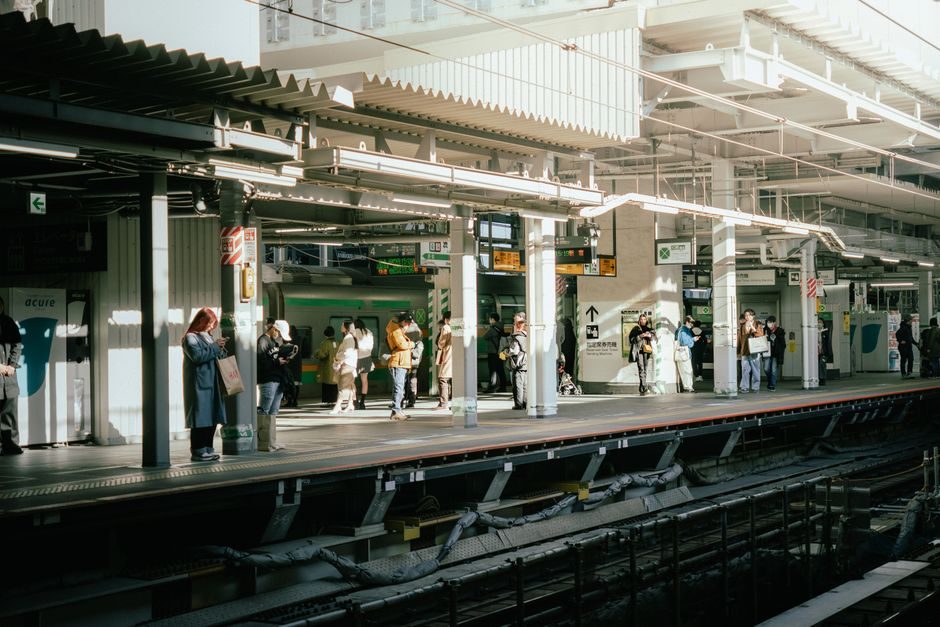
Japanese work culture has a global reputation for long hours, rigidity, and group conformity. Like most stereotypes, this contains truth but misses important nuance.
What is consistently true: Japanese workplaces place high value on reliability, consistency, and group harmony. Punctuality is non-negotiable. Seniority matters. Meetings are often longer than their Western equivalents.
What is changing: The concept of karoshi (death from overwork) prompted significant policy changes. Younger generations increasingly prioritise work-life balance. Remote work, once almost unknown in Japan, has become more accepted since 2020.
A Typical Japanese Work Day
For an office worker (salary man or OL — office lady) in Tokyo, a typical work day often looks like this:
Morning: Commute by train (often 45–90 minutes each way for suburban workers). Arrive slightly before start time. Morning check-in meetings are common.
Daytime: Focused work, punctuated by meetings. Lunch is often a convenience store meal eaten at the desk, or a quick restaurant visit nearby.
Evening: The concept of zangyou (unpaid overtime) remains common in many industries, though less universal than it once was. Team dinners (nomikai) happen periodically and carry a degree of social obligation.
How This Is Changing
Japanese work culture is in genuine transition.
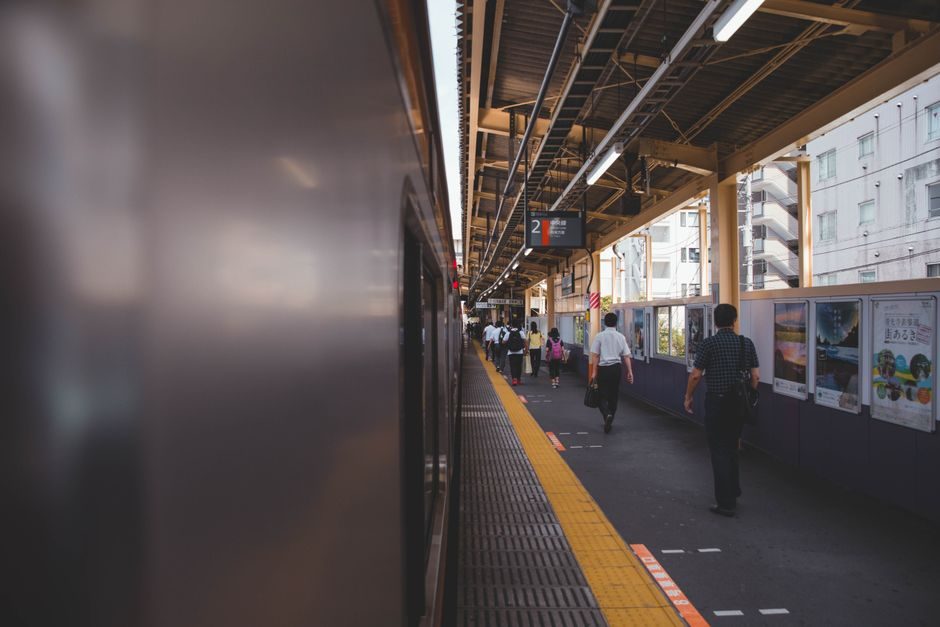
The government’s Work Style Reform legislation (2018–) set legal limits on overtime hours for the first time. Companies are increasingly required to encourage employees to take paid leave.
For younger workers (Generation Z), the expectation of lifelong employment at a single company has weakened significantly. Job-changing, once stigmatised, is now more accepted.
For overseas readers: Understanding that Japanese work culture is actively evolving helps make sense of what you observe. The old stereotypes still describe some workplaces accurately; they increasingly miss the mark for others.
Frequently Asked Questions
Is how japanese office workers commute in Japan very different from other countries?
Yes and no. The fundamentals are often similar, but the way Japanese families approach how japanese office workers commute reflects distinct cultural values — particularly around reliability, quality, community, and seasonal awareness. The differences become clearer the longer you observe Japanese daily life.
Do you need to speak Japanese to understand how japanese office workers commute in Japan?
For visitors, basic Japanese phrases help significantly. For deeper understanding of the culture around how japanese office workers commute, learning Japanese opens up a much richer picture. That said, a lot of relevant information is now available in English, and many Japanese people in cities like Tokyo are comfortable with basic English communication.
Where can I learn more about everyday life in Japan?
Beyond this article, Japanese family and lifestyle YouTube channels, Reddit’s r/japan and r/japanlife communities, and English-language Japanese media provide excellent ongoing perspectives. Following Japanese people on social media who document daily life is also revealing.
How has how japanese office workers commute changed in Japan recently?
Like most aspects of Japanese society, how japanese office workers commute is evolving — particularly as younger generations develop different priorities from their parents. The core cultural values remain consistent, but the expressions of those values are shifting.
Conclusion
How Japanese Office Workers Commute is one of those topics that rewards close attention. The more you understand about how Japanese families approach how japanese office workers commute, the more you appreciate the consistency and thoughtfulness built into everyday Japanese life.
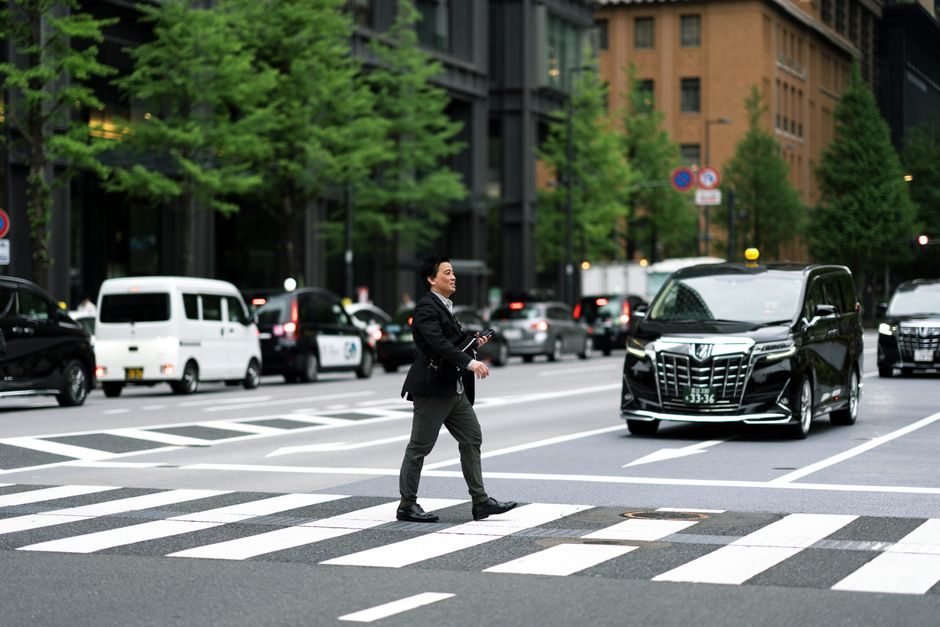
If you’re curious to go deeper, explore our other articles on Work Life — or browse our guides to Tokyo life, Japanese food culture, and everyday family routines.
Last updated: June 2026 | Japanese Best — Discover What Japanese Families Actually Use, Buy and Enjoy
More From Japanese Best
As an Amazon Associate, we may earn from qualifying purchases. This does not affect our recommendations.
Editorial Disclaimer
The views, opinions, and recommendations in this article are the author’s own and reflect personal experience living in Japan. They do not constitute professional, financial, or purchasing advice of any kind.
Product availability, pricing, and specifications are subject to change without notice. Japanese Best makes no warranties — express or implied — regarding the accuracy or completeness of this content, and accepts no liability for any decisions made based on it. Always verify details directly with the retailer or manufacturer before purchasing.

コメント