Living Without a Car in Tokyo: A Practical Guide
July 11, 2026 | Tokyo Life | Japanese Best
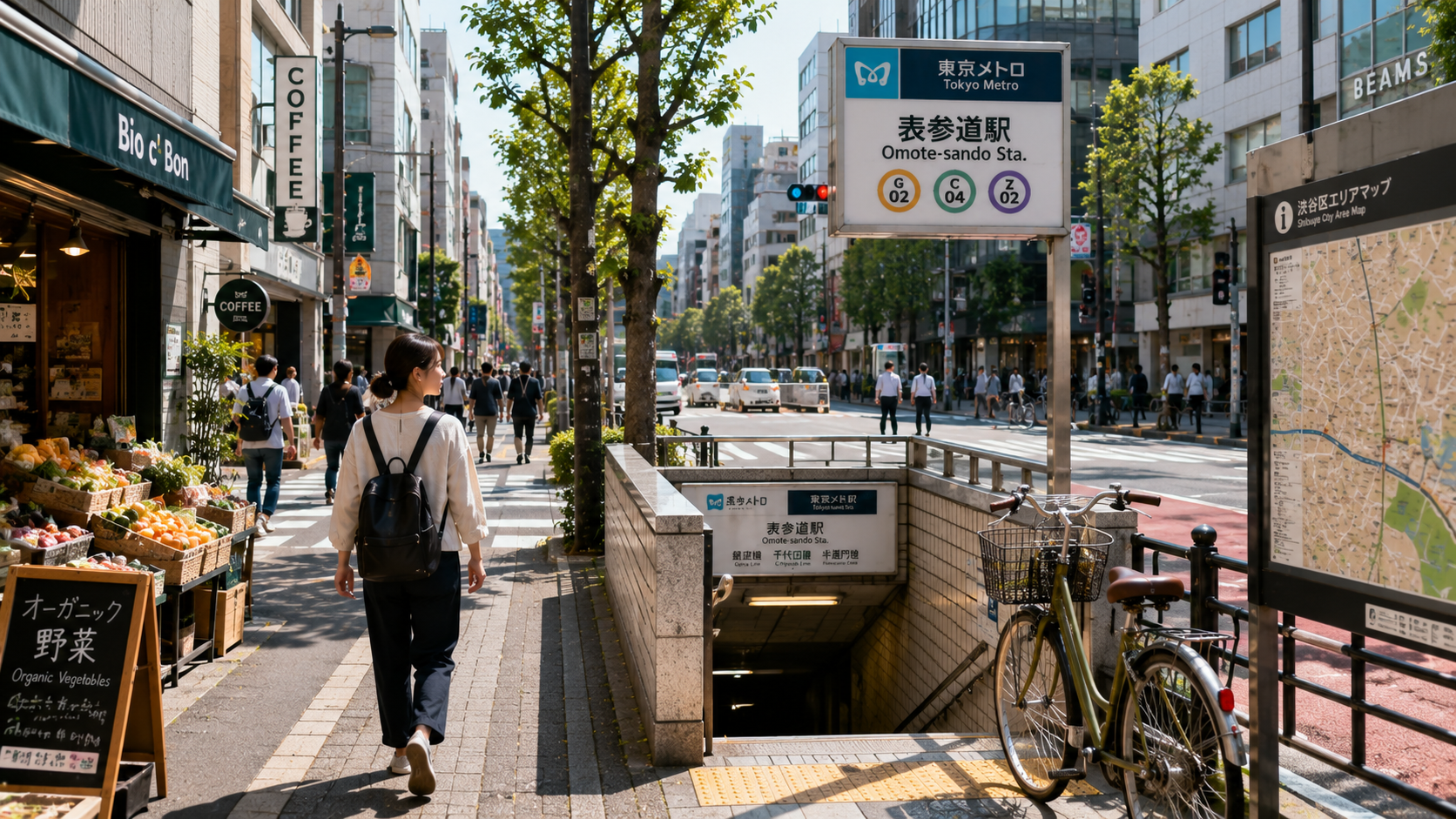
Tokyo’s reputation as a concrete jungle of endless traffic and gridlocked highways couldn’t be further from the truth. In fact, living without a car in Tokyo isn’t just possible—it’s the norm for millions of residents. The capital’s public transport network is so efficient, affordable, and extensive that owning a vehicle is often seen as unnecessary, expensive, and frankly, impractical. Whether you’re relocating to Japan, planning an extended stay, or simply curious about daily life in one of the world’s most connected cities, understanding how to navigate Tokyo without a car is essential to truly experiencing the city like a local.
Quick Summary
- Tokyo’s train network covers the entire metropolitan area with 13 subway lines and countless commuter railways; most journeys cost ¥170–¥320 ($1.20–$2.30)
- Monthly unlimited passes (定期券, teiki-ken) cost ¥10,000–¥15,000 depending on your commute zone
- Walking and cycling are major transport modes; bicycles cost ¥3,000–¥10,000 to buy or ¥100–¥150 per day to rent
- Taxis are expensive at ¥1,000+ for short distances, so reserved for emergencies or late-night travel
- Most essentials—groceries, restaurants, clinics—are within walking distance in any neighbourhood
🛒 Shop Recommended Products
What You’ll Actually Find and Experience
Tokyo’s transport culture revolves around the densha (train) and chikatetsu (subway). The moment you arrive, you’ll notice how seamlessly people move through stations like Shinjuku, Shibuya, and Tokyo Station—navigating hundreds of thousands daily without chaos. The system’s precision is legendary: average delays are measured in seconds, and announcements come in Japanese, English, and sometimes Mandarin or Korean.
The JR East network handles overground commuter lines, whilst the Tokyo Metro operates the 13 subway lines that crisscross the city. Getting around feels almost meditative compared to driving—you can read, work, or simply observe Tokyo’s character during your commute. Neighbourhood shopping streets (shotengai) mean you rarely need to travel far for daily necessities. Convenience stores like 7-Eleven, FamilyMart, and Lawson exist on nearly every corner, typically within a five-minute walk.
Cycling is deeply embedded in Tokyo culture. You’ll see salarymen in suits balancing briefcases on cargo bikes, mothers transporting two children in front and back seats, and students pedalling to cram schools. Bikes are parked everywhere, and whilst parking fees exist, they’re minimal compared to car ownership.
The Details: Prices, Hours, and Practical Information
A single train or subway journey within central Tokyo costs ¥170–¥320 depending on distance. The Suica or Pasmo card—rechargeable IC cards—makes travel frictionless; simply tap at gates, no tickets needed. Both cost ¥2,000 to purchase (¥1,500 usable credit + ¥500 deposit).
Monthly commuter passes (teiki-ken) offer significant savings. A typical central Tokyo pass covering two zones costs around ¥10,000–¥12,000 monthly. Annual passes are available too, offering a 2–3% discount. Most trains run from 05:00 until midnight; late-night buses operate after subway closure, though frequency drops considerably.
Taxis charge ¥1,000 for the first 1 km, then ¥100 per additional 357 metres. For a 3 km journey, expect ¥2,500–¥3,000. They’re reliable and drivers are professional, but this expense accumulates quickly. Bicycle rental shops charge ¥100–¥150 daily, or you can purchase a used bike for ¥3,000–¥5,000 from second-hand shops or online classifieds.
Grocery delivery services like Amazon Fresh and Rakuten Seiyu offer same-day delivery for ¥500–¥1,000, proving invaluable if you’re managing heavy bags or living in a compact apartment.
What Locals Think About It
Ask a Tokyo resident why they don’t own a car, and you’ll hear similar responses: it’s expensive, unnecessary, and creates parking headaches. Car ownership includes mandatory insurance, biennial inspections (shaken), and parking fees averaging ¥30,000–¥50,000 monthly in central wards. Many locals view cars as weekend luxuries for trips to the countryside, not daily transport.
The cultural attitude toward car-free living is refreshingly pragmatic. Nobody considers it a sacrifice; instead, it’s the sensible choice. Tokyo residents spend their money on train passes, dining out, or travel—not petrol and vehicle maintenance. Older generations may keep cars, but young professionals and families rarely do. The environmental aspect resonates too: Japan’s public consciousness around sustainability means efficient transport aligns with broader values.
Tips for Visitors and New Residents
Get a Suica/Pasmo immediately. Available at any train station, they eliminate the friction of buying tickets and work across all train and bus networks, plus convenience stores and vending machines.
Learn three train lines well. Most Tokyo residents know their commute intimately but rely on apps for unfamiliar routes. Download Google Maps or the Hyperdia app; both work offline and provide real-time train information.
Embrace walking. Tokyo’s wards are designed for pedestrians. You’ll discover hidden restaurants, small parks, and local life that driving would hide. Wear comfortable shoes—a typical day includes 10,000+ steps.
For longer commutes, invest in quality accessories. A reliable commuter mug keeps your drink at the perfect temperature during crowded train journeys. The Zojirushi SM-SHE60AG Stainless Mug is beloved by Tokyo commuters for its slim profile, spill-proof design, and ability to maintain heat for six hours—perfect for the 45-minute ride from outer wards to central Tokyo.
Rent a bicycle for local exploration. Most neighbourhoods have rental shops, and bikes unlock a freedom that trains can’t match for short distances.
If you’re a student or planner, Japan’s stationery culture is unmatched. The Pilot FriXion Clicker 0.5mm is a Tokyo favourite—it writes smoothly like a gel pen but erases cleanly with heat, making it ideal for schedules and notes that change frequently.
For frequent commuters seeking peace during crowded journeys, consider premium headphones. The Sony WH-1000XM5 offers industry-leading noise cancellation that transforms even the morning rush hour into a calm, personal space—many Tokyo professionals swear by them for maintaining focus on packed trains.
Frequently Asked Questions
Can I live comfortably without a car?
Absolutely. Most Tokyo residents don’t own cars. As long as you live within or near a train station, you have access to everything you need.
What if I need to visit somewhere without train access?
Taxis exist, but consider rental cars for day trips. JR East also operates bus services to rural areas. Many day-trip destinations (Mount Fuji, Nikko, Kamakura) are easily reached by train.
Is cycling safe in Tokyo?
Yes. Cyclists have dedicated paths and follow strict rules. Helmets aren’t legally required but are sensible. Lock your bike properly—theft happens, though it’s less common than in many Western cities.
What’s the busiest time on trains?
Weekday mornings (07:30–09:00) and evenings (18:00–20:00). If possible, travel slightly earlier or later to avoid crush conditions.
Can I use my mobile phone on trains?
No. Japan has a strict unwritten rule against phone calls on trains. Data usage and messaging are fine, but talking is considered rude.
Living without a car in Tokyo isn’t a compromise—it’s a liberation. You’ll save money, reduce stress, and discover your city on foot and by rail in ways that driving would never allow. The system works because millions of people trust it daily, and within weeks, you will too.
Recommended Japanese Products
The products below are directly relevant to this article and used by Japanese families.
| Product | Brand | Best For | Link |
|---|---|---|---|
| Zojirushi SM-SHE60AG Stainless Mug | Zojirushi | Daily commuters who want reliable, durable coffee/tea on the go | Zojirushi SM-SHE60AG Stainless Mug |
| Pilot FriXion Clicker 0.5mm | Pilot | Students, planners, and anyone who needs flexibility to correct mistakes | Pilot FriXion Clicker 0.5mm |
| Sony WH-1000XM5 | Sony | Frequent travellers, remote workers, and audiophiles who want the best ANC | Sony WH-1000XM5 |
Zojirushi SM-SHE60AG Stainless Mug
Zojirushi’s most popular commuter mug — slim, spill-proof, and keeps drinks hot for 6 hours.
Best for: Daily commuters who want reliable, durable coffee/tea on the go
🛒 Zojirushi SM-SHE60AG Stainless Mug on Amazon
Pilot FriXion Clicker 0.5mm
The world’s bestselling erasable pen — writes like a smooth gel but rubs out cleanly with heat.
Best for: Students, planners, and anyone who needs flexibility to correct mistakes
🛒 Pilot FriXion Clicker 0.5mm on Amazon
Sony WH-1000XM5
Sony’s flagship ANC headphones — industry-leading noise cancellation and exceptional sound.
Best for: Frequent travellers, remote workers, and audiophiles who want the best ANC
More From Japanese Best
- What Japanese Families Eat for Dinner
- What to Buy at Daiso: A Practical Guide
Disclosure: As an Amazon Associate, Japanese Best earns from qualifying purchases. This does not affect our recommendations. We only feature products we genuinely believe are worth your consideration.
Editorial Disclaimer
The views, opinions, and recommendations in this article are the author’s own and reflect personal experience living in Japan. They do not constitute professional, financial, or purchasing advice of any kind.
Product availability, pricing, and specifications are subject to change without notice. Japanese Best makes no warranties — express or implied — regarding the accuracy or completeness of this content, and accepts no liability for any decisions made based on it. Always verify details directly with the retailer or manufacturer before purchasing.
コメント