Japan Subscription Box Services: What’s Worth It
July 11, 2026 | Trends & News | Japanese Best
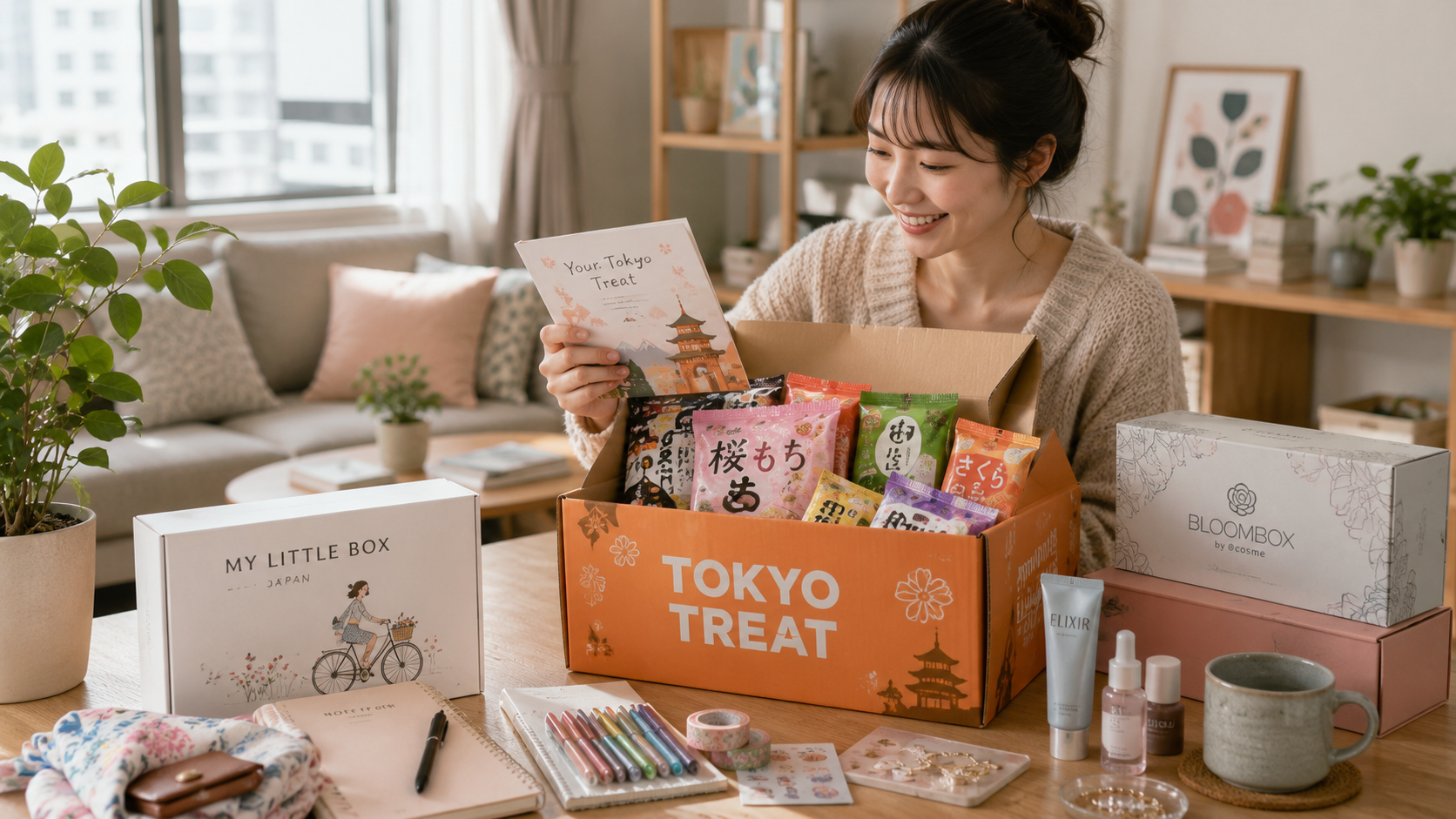
Japan’s subscription box culture has exploded over the past five years, transforming how millions of people discover products, track their hobbies, and even manage their daily routines. From beauty boxes arriving monthly in Tokyo apartments to stationery subscriptions for students across Osaka and Kyoto, these curated services have become woven into Japanese consumer life. But with hundreds of options competing for attention—and your wallet—it’s worth understanding which ones genuinely deliver value and which are simply riding a trend. This article breaks down what’s happening in Japan’s subscription box market, why families are embracing them, and which services deserve your attention.
Quick Summary
- Subscription boxes are reshaping Japanese shopping habits, with beauty, stationery, and lifestyle boxes dominating the market
- Average costs range from ¥1,000–¥5,000 monthly, making them affordable for middle-income households
- Popular categories include skincare, snacks, office supplies, and hobby items—each tailored to specific Japanese consumer needs
- Quality varies significantly; the best boxes offer genuine savings and exclusive items unavailable elsewhere
- Japanese families value convenience and discovery, making subscription services a lifestyle choice rather than just a purchase method
🛒 Shop Recommended Products
The Background
Japan’s subscription box boom reflects deeper cultural shifts. Convenience is paramount in Japanese life—busy salarymen in Tokyo, students managing multiple part-time jobs, and parents juggling work and childcare all crave time-saving solutions. Subscription services eliminate the decision fatigue of shopping whilst delivering a sense of anticipation; the unboxing experience itself has become a mini-event, often shared on Instagram and TikTok.
The market exploded after platforms like Amazon Japan and local retailers (including major department stores) launched their own subscription tiers around 2018–2020. Today, beauty boxes—particularly those featuring Japanese skincare products—dominate the category. Lifestyle boxes offering curated snacks, tea, or stationery follow closely behind. The Japanese preference for order, quality control, and aesthetic presentation makes subscription boxes feel natural; they’re like a personal shopper delivering carefully selected items directly to your door each month.
How Japanese Families Are Responding
Japanese consumers have embraced subscriptions as a practical solution to busy lives. In urban centres like Tokyo, Yokohama, and Osaka, subscription boxes fit neatly into the fast-paced rhythm of daily life. Parents appreciate the convenience of beauty boxes arriving without shopping trips; students value stationery subscriptions that supply fresh supplies for planning and studying.
However, adoption patterns reveal nuance. Wealthier households gravitate toward premium beauty and wellness boxes (¥3,000–¥5,000 monthly), whilst middle-income families favour value-focused options (¥1,000–¥2,000). Many Japanese subscribers view these boxes as a way to explore new Japanese brands they might not otherwise discover—a form of affordable luxury. Younger generations, particularly Gen Z, treat unboxing as content for social media, amplifying the service’s cultural appeal. Some families rotate subscriptions seasonally, cancelling summer boxes and restarting autumn skincare subscriptions aligned with seasonal changes in Japanese beauty routines.
What Products and Services Are Popular
Beauty and skincare boxes remain the clear market leader. Services like Petit Passy and Amazon Beauty boxes deliver Japanese toners, sheet masks, and moisturisers—items like the Hada Labo Gokujyun Hyaluronic Acid Lotion by Hada Labo (Rohto), Japan’s bestselling hydration toner, often appear in premium selections. These boxes align with Japan’s obsessive skincare culture and multi-step routines.
Stationery and lifestyle boxes appeal to students and office workers. The Pilot FriXion Clicker 0.5mm, the world’s bestselling erasable pen, frequently features in Japanese stationery subscriptions, catering to students who demand precision and reliability. Japanese snack boxes (¥2,000–¥3,000 monthly) deliver regional treats from Hokkaido to Okinawa, celebrating Japan’s food diversity.
Wellness and home goods boxes have gained traction post-pandemic. Air purifiers, humidifiers, and home health products reflect Japanese families’ heightened focus on indoor air quality—devices like the Panasonic F-VXR70 nanoe X Air Purifier embody this trend, with nanoe X technology targeting viruses and allergens in Japanese homes.
What This Tells Us About Japan
Japan’s subscription box phenomenon reveals fundamental truths about Japanese consumer culture: a willingness to pay for convenience, deep appreciation for quality and curation, and enthusiasm for discovery within a trusted framework. Unlike Western markets, where subscriptions sometimes feel like obligatory charges, Japanese consumers view these services as curated experiences worth the investment.
The popularity of beauty boxes specifically underscores Japan’s position as a global skincare authority. Japanese skincare philosophy—emphasising prevention, layering, and ingredient quality—translates perfectly to subscription formats. The prevalence of stationery subscriptions reflects Japan’s unique stationery culture, where a quality pen or notebook is viewed as both tool and pleasure.
Perhaps most telling is the seasonal nature of Japanese subscriptions. Many pause or swap services with weather changes and cultural calendars—a distinctly Japanese approach reflecting the country’s deep connection to seasons (kisetsukan). This consumer behaviour demonstrates that subscriptions aren’t simply foreign trends imported wholesale; they’re adapted to fit Japanese life rhythms and values.
FAQ
Are Japanese subscription boxes cheaper than buying items separately?
Generally yes, particularly beauty and snack boxes. You’ll typically save 15–25% compared to retail prices, plus gain access to exclusive or limited-edition items.
Which subscription box is best for beginners?
Beauty boxes are most accessible; they require no commitment to niche hobbies and deliver universally appreciated skincare products. Start with a three-month subscription to test the service.
Can you cancel anytime?
Most Japanese subscription services allow monthly cancellation, though some premium boxes require three-month minimum commitments. Always check terms before subscribing.
Do subscription boxes ship internationally?
Many do, though shipping costs to overseas addresses can be substantial. Services like Amazon Japan now offer easier international shipping than before.
Japanese subscription boxes represent more than a shopping convenience—they’re a window into how modern Japan balances tradition with innovation, quality with accessibility, and individualism with community discovery. Whether you’re drawn to the allure of curated beauty products, the charm of regional snacks, or the promise of discovering new stationery, these services offer genuine value when chosen thoughtfully. The key is matching the subscription to your lifestyle, not forcing your lifestyle to match the subscription.
Seen in Everyday Life in Tokyo
A Real-Life Note from Japan
What I Often See in Japanese Stores
Recommended Japanese Products
The products below are directly relevant to this article and used by Japanese families.
| Product | Brand | Best For | Link |
|---|---|---|---|
| Hada Labo Gokujyun Hyaluronic Acid Lotion | Hada Labo (Rohto) | Anyone who wants deep, lasting hydration without irritants | Hada Labo Gokujyun Hyaluronic Acid Lotion |
| Panasonic F-VXR70 nanoe X Air Purifier | Panasonic | Families concerned about allergens, pollen, and indoor air quality in Japanese cities | Panasonic F-VXR70 nanoe X Air Purifier |
| Pilot FriXion Clicker 0.5mm | Pilot | Students, planners, and anyone who needs flexibility to correct mistakes | Pilot FriXion Clicker 0.5mm |
Hada Labo Gokujyun Hyaluronic Acid Lotion
Japan’s bestselling toner — layers up to 5 types of hyaluronic acid for intense hydration.
Best for: Anyone who wants deep, lasting hydration without irritants
🛒 Hada Labo Gokujyun Hyaluronic Acid Lotion on Amazon
Panasonic F-VXR70 nanoe X Air Purifier
Panasonic’s top-of-line air purifier with nanoe X technology targets viruses and allergens.
Best for: Families concerned about allergens, pollen, and indoor air quality in Japanese cities
🛒 Panasonic F-VXR70 nanoe X Air Purifier on Amazon
Pilot FriXion Clicker 0.5mm
The world’s bestselling erasable pen — writes like a smooth gel but rubs out cleanly with heat.
Best for: Students, planners, and anyone who needs flexibility to correct mistakes
🛒 Pilot FriXion Clicker 0.5mm on Amazon
More From Japanese Best
- What Japanese Families Eat for Dinner
- What to Buy at Daiso: A Practical Guide
Disclosure: As an Amazon Associate, Japanese Best earns from qualifying purchases. This does not affect our recommendations. We only feature products we genuinely believe are worth your consideration.
Editorial Disclaimer
The views, opinions, and recommendations in this article are the author’s own and reflect personal experience living in Japan. They do not constitute professional, financial, or purchasing advice of any kind.
Product availability, pricing, and specifications are subject to change without notice. Japanese Best makes no warranties — express or implied — regarding the accuracy or completeness of this content, and accepts no liability for any decisions made based on it. Always verify details directly with the retailer or manufacturer before purchasing.

コメント