Japan’s Home Solar Panel Trend Explained
July 11, 2026 | Trends & News | Japanese Best
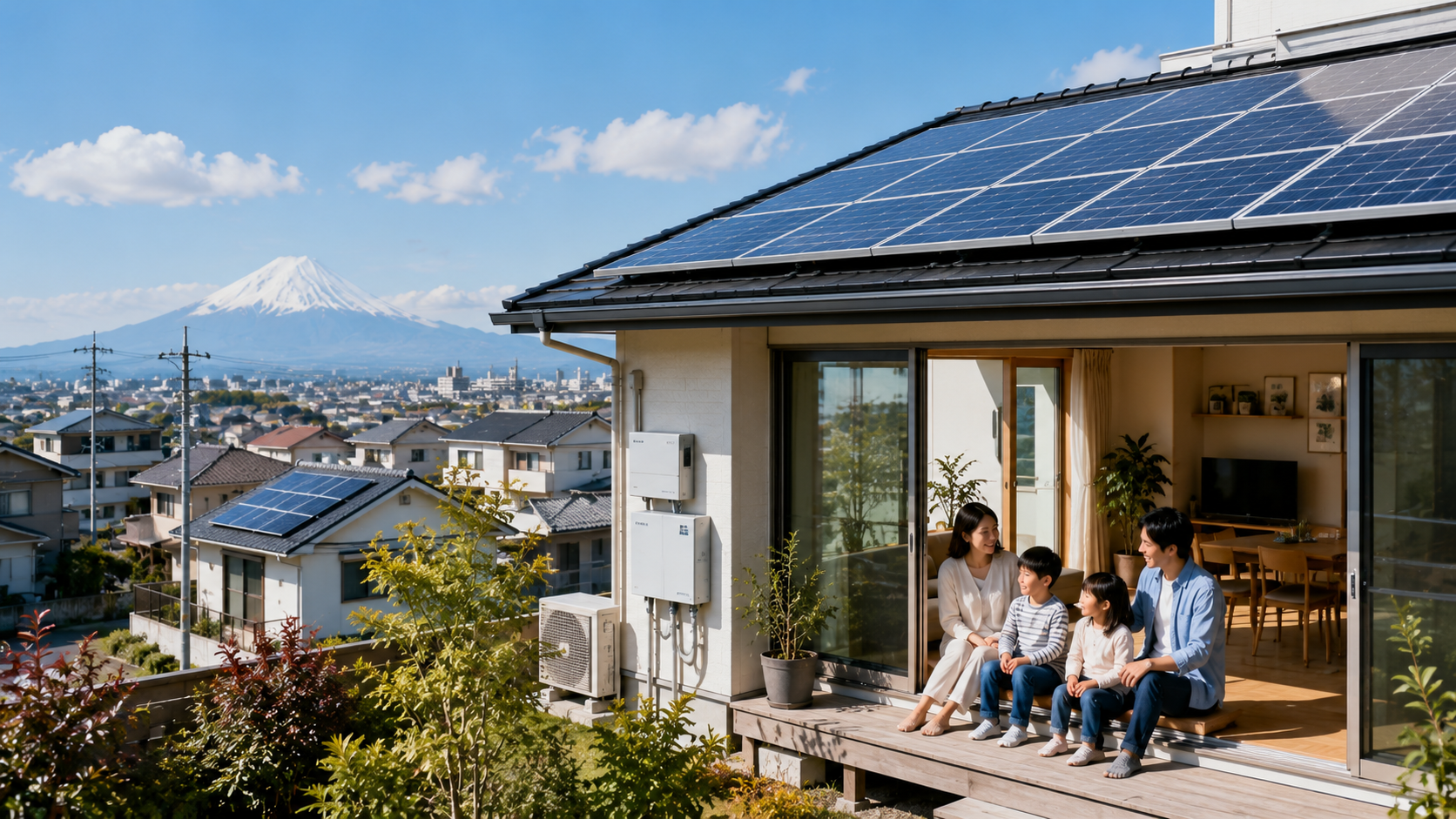
Japan’s energy costs have soared, and families across Tokyo, Osaka, and beyond are turning rooftops into power plants. Home solar installation rates have doubled over the past five years, driven by rising electricity bills, government incentives, and a cultural shift toward sustainability. This isn’t just about saving money—it reflects how Japan is rethinking energy independence, environmental responsibility, and the future of the home itself.
Quick Summary
- Japan’s residential solar installations have doubled since 2019, with Tokyo and Kyushu leading adoption rates
- Government subsidies and feed-in tariff schemes have made solar financially viable for middle-class families
- Japanese manufacturers like Panasonic and Sharp dominate the home solar market with premium, compact designs
- Solar adoption mirrors broader Japanese lifestyle trends: efficiency, longevity, and minimalist design
- Rising awareness of indoor air quality and personal wellness has expanded alongside home energy upgrades
🛒 Shop Recommended Products
The Background
Japan’s shift to solar energy reflects decades of policy and necessity. After the 2011 Fukushima disaster, nuclear power became politically contentious, and the government introduced a feed-in tariff (FIT) scheme in 2012. This guaranteed homeowners a fixed price for excess electricity fed back to the grid—typically ¥16–¥19 per kilowatt-hour in recent years. Though rates have declined from their 2012 peak of ¥42/kWh, the economics remain compelling.
Electricity prices in Japan have climbed roughly 30% since 2010, with Tokyo Electric Power Company (TEPCO) charging among the highest rates in the developed world. A typical Japanese household spends ¥12,000–¥15,000 monthly on electricity. For a ¥2.5–3.5 million solar system (with subsidies bringing the net cost to ¥1.5–2 million), the payback period is now 8–12 years—manageable over a system’s 25-year lifespan.
How Japanese Families Are Responding
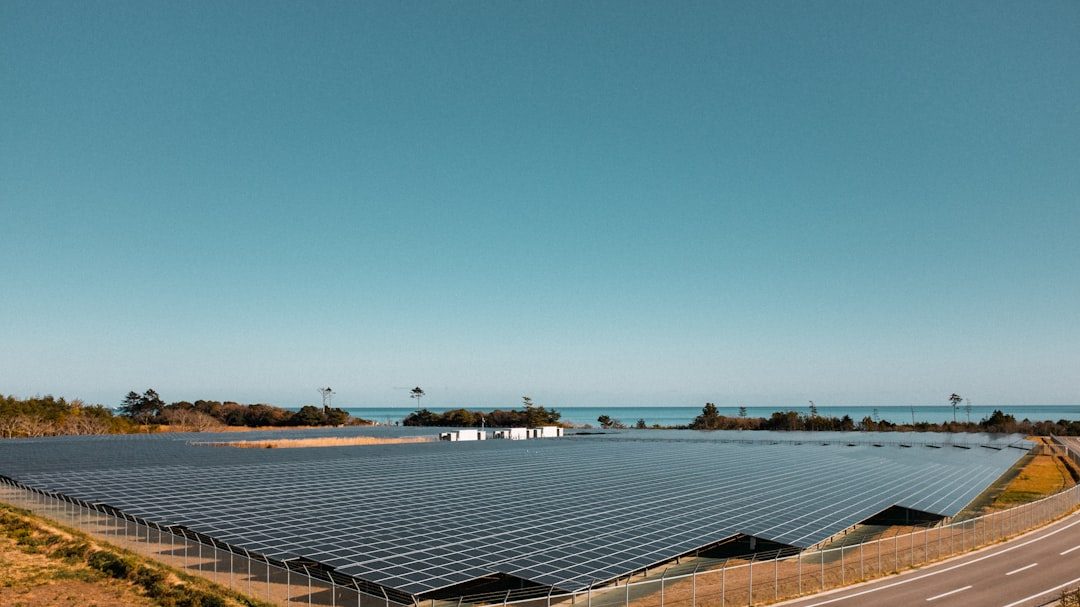
The average Japanese household solar system is 5–6 kW, smaller than typical Western installations, reflecting Japan’s compact urban spaces and roof constraints. Tokyo residents favour rooftop systems; rural Kyushu families increasingly opt for ground-mounted arrays on agricultural land.
Adoption patterns reveal generational splits. Families aged 40–60, seeking long-term investment security, lead installations. Younger homeowners (30–40) are drawn to app-controlled systems offering real-time energy monitoring—aligned with Japan’s tech-savvy culture. Apartment dwellers, the majority in urban Japan, have embraced balcony-mounted micro-systems (500W–2kW), though these remain niche.
Financing through regional banks and solar leasing programmes—like SolarCity and Looopdenchi—has democratised access. Monthly lease payments (¥7,000–¥10,000) undercut traditional loan repayments, making solar accessible without large upfront capital. Tokyo Metropolitan Government now offers zero-interest loans for storage battery systems, acknowledging that solar without storage limits grid resilience.
What Products and Services Are Popular Because of This
Beyond panels themselves, the solar trend has fuelled adjacent markets. Hybrid inverters that intelligently manage solar, grid, and battery power are booming; Panasonic’s Cкъсб-EH3680W and Omron’s HyM series have waiting lists in major cities. Battery storage systems (Tesla Powerwall, Panasonic EverVolt) are no longer luxury goods but practical necessities for blackout-prone areas.
Energy monitoring apps have become lifestyle tools. Families now track consumption habits as intently as calorie counters, fostering broader awareness of household efficiency. This heightened focus on the home environment has naturally extended to indoor air quality—concerns amplified by seasonal pollen and urban pollution. Smart thermostats and air purification systems are now installed alongside solar arrays, creating integrated home energy ecosystems that Japanese consumers see as holistic wellness investments.
Home renovations bundled with solar installations—new insulation, LED lighting, efficient HVAC—have become standard packages at major contractors like Yojo and Tojitsu.
What This Tells Us About Japan
Japan’s solar adoption reveals cultural priorities: patience with long-term investments, trust in technological reliability, and a pragmatic balance between individual benefit and collective responsibility. Unlike Western markets driven by environmental ideology, Japanese adoption is rooted in economics and energy security—a response to vulnerability after Fukushima and exposure to volatile fossil fuel markets.
The trend also underscores Japan’s ageing population dynamic. Older homeowners installing solar expect to recoup costs during their lifetimes; younger generations view it as heritage infrastructure, passing systems to children. This reflects deeper Japanese values: durability over disposability, and property as intergenerational asset rather than speculative commodity.
Urban-rural divides are widening. Tokyo’s rooftop revolution contrasts sharply with rural Hokkaido and Okinawa, where land costs favour larger systems but grid infrastructure lags. This mirrors Japan’s broader demographic challenge: energy abundance in depopulating regions, energy scarcity in megalopolises.
FAQ
How much does a home solar system cost in Japan?
Most residential systems (5–6 kW) cost ¥2.5–3.5 million before subsidies, dropping to ¥1.5–2 million with government and regional incentives.
Will my solar system pay for itself?
Yes, typically within 8–12 years, depending on your location and electricity usage. After that, it generates near-free power for 13+ years.
Is storage battery required?
No, but it maximises self-consumption and blackout resilience. Many Japanese families add batteries within 3–5 years of installation.
Which regions have the best solar potential?
Kyushu, Shikoku, and southern Honshu offer superior irradiance. Tokyo and Osaka are viable but less optimal due to cloud cover and roof space constraints.
What happens to my excess power?
It’s fed to the grid and you receive credits under the FIT scheme—though rates are declining yearly.
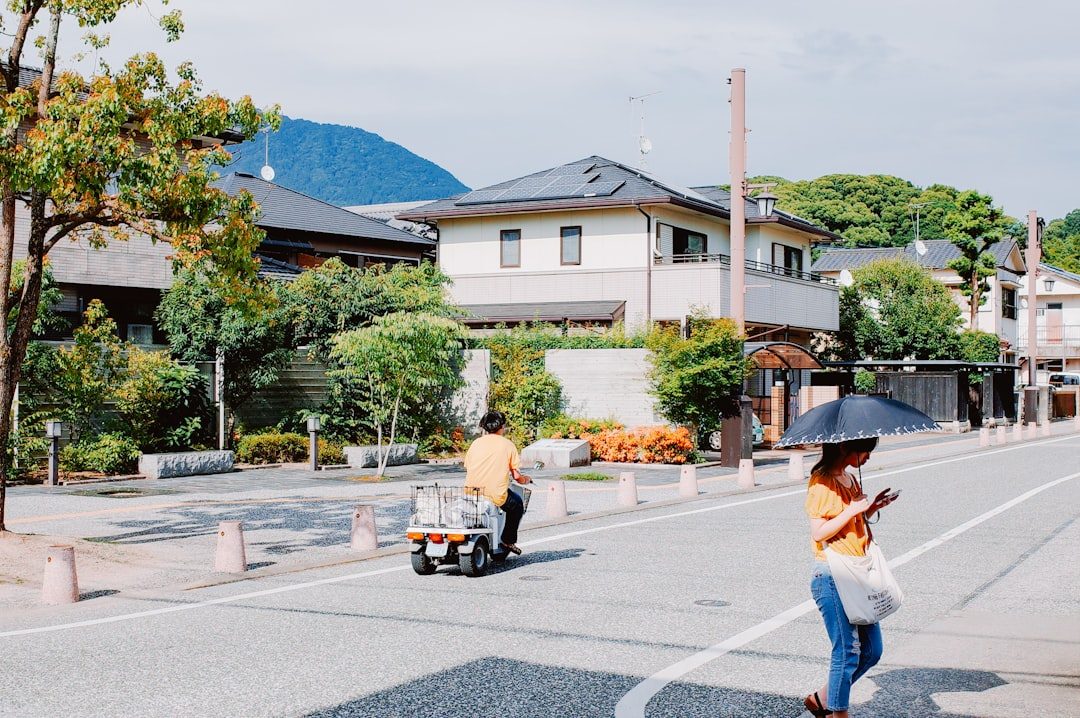
Japan’s solar revolution reflects a nation grappling with energy independence, ageing infrastructure, and shifting priorities around home, family, and sustainability. It’s not a moral crusade but a pragmatic adaptation—typical of Japanese culture. As electricity costs climb and technology improves, expect rooftop panels to become as common in Japanese suburbs as traditional tile roofs once were.
Seen in Everyday Life in Tokyo
A Real-Life Note from Japan
What I Often See in Japanese Stores
Recommended Japanese Products
The products below are directly relevant to this article and used by Japanese families.
| Product | Brand | Best For | Link |
|---|---|---|---|
| Hada Labo Gokujyun Hyaluronic Acid Lotion | Hada Labo (Rohto) | Anyone who wants deep, lasting hydration without irritants | Hada Labo Gokujyun Hyaluronic Acid Lotion |
| Panasonic F-VXR70 nanoe X Air Purifier | Panasonic | Families concerned about allergens, pollen, and indoor air quality in Japanese cities | Panasonic F-VXR70 nanoe X Air Purifier |
| Pilot FriXion Clicker 0.5mm | Pilot | Students, planners, and anyone who needs flexibility to correct mistakes | Pilot FriXion Clicker 0.5mm |
Hada Labo Gokujyun Hyaluronic Acid Lotion
Japan’s bestselling toner — layers up to 5 types of hyaluronic acid for intense hydration.
Best for: Anyone who wants deep, lasting hydration without irritants
🛒 Hada Labo Gokujyun Hyaluronic Acid Lotion on Amazon
Panasonic F-VXR70 nanoe X Air Purifier
Panasonic’s top-of-line air purifier with nanoe X technology targets viruses and allergens.
Best for: Families concerned about allergens, pollen, and indoor air quality in Japanese cities
🛒 Panasonic F-VXR70 nanoe X Air Purifier on Amazon
Pilot FriXion Clicker 0.5mm
The world’s bestselling erasable pen — writes like a smooth gel but rubs out cleanly with heat.
Best for: Students, planners, and anyone who needs flexibility to correct mistakes
🛒 Pilot FriXion Clicker 0.5mm on Amazon
More From Japanese Best
- What Japanese Families Eat for Dinner
- What to Buy at Daiso: A Practical Guide
Disclosure: As an Amazon Associate, Japanese Best earns from qualifying purchases. This does not affect our recommendations. We only feature products we genuinely believe are worth your consideration.
Editorial Disclaimer
The views, opinions, and recommendations in this article are the author’s own and reflect personal experience living in Japan. They do not constitute professional, financial, or purchasing advice of any kind.
Product availability, pricing, and specifications are subject to change without notice. Japanese Best makes no warranties — express or implied — regarding the accuracy or completeness of this content, and accepts no liability for any decisions made based on it. Always verify details directly with the retailer or manufacturer before purchasing.
コメント