Best Japanese Scissors (2026)
June 14, 2026 | Scissors | Japanese Best
Introduction
Best Japanese Scissors is one of the most searched topics by people who’ve discovered how seriously Japan takes everyday products.
Japanese consumers are among the most demanding in the world. Products that survive the domestic Japanese market have been through a quality filter that few global brands can match. This guide covers well-documented options — not just what looks good on a spec sheet.
We do not publish specific prices as they change frequently. Check current Amazon listings for up-to-date pricing.
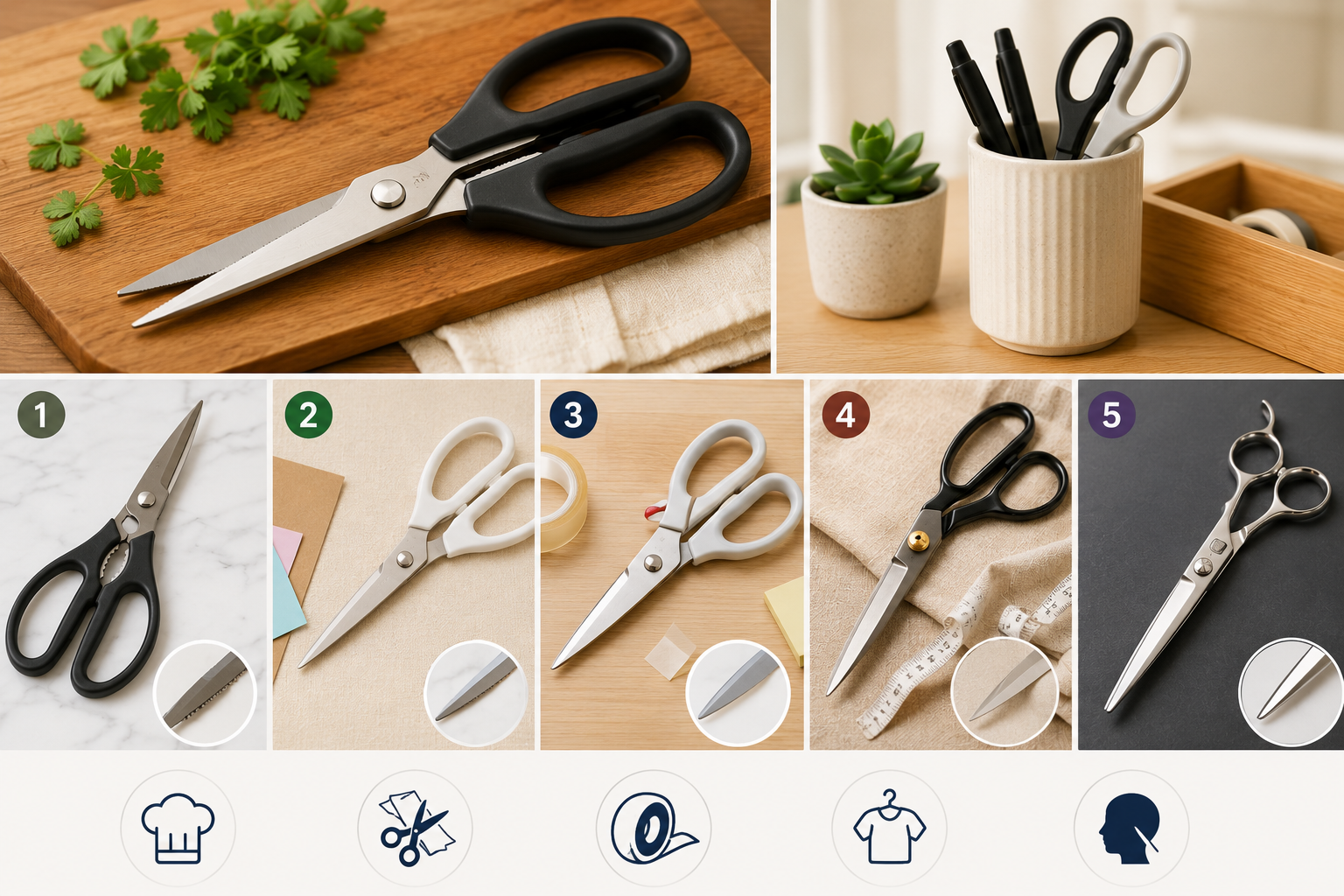
- Best Overall: Kai 5000 Series Kitchen Scissors
- Best Value: Olfa SC-1 Stainless Craft Scissors
- Best Premium: Kokuyo Saxa Scissors
- Best Budget: Havel’s Sewing Scissors 8-inch
- Best for Beginners: Kai 7250 Professional Hair-Cutting Scissors
How We Compared These Options
Choosing between Japanese Scissors options comes down to a handful of concrete factors:
- Blade material
- Intended use (kitchen/craft)
- Sharpness retention
- Ergonomics
- Price
Quick Comparison
| Product | Best For | Key Features | Pros | Cons | Recommended For | Buy |
|---|---|---|---|---|---|---|
| Kai 5000 Series Kitchen Scissors | Best Overall | Stainless steel blades · Micro-serrated edge | Extremely sharp | Premium price vs budget options | Home cooks who need heavy-duty kitchen scissors fo | (check current listings for pricing) |
| Olfa SC-1 Stainless Craft Scissors | Best Value | Razor-sharp stainless blades · Micro-serrated lower blade | Precision tip for detail work | Not suitable for heavy-duty materials | Crafters, scrapbookers, and sewers who need precis | (check current listings for pricing) |
| Kokuyo Saxa Scissors | Best Premium | Fluorine-coated blades (tape residue resistant) · Ergonomic | No sticky residue | Not ideal for heavy fabric or thick cardboard | Office workers who constantly cut tape, labels, an | (check current listings for pricing) |
| Havel’s Sewing Scissors 8-inch | Best Budget | Forged steel blades · Bent handle for flat cutting | Clean fabric cuts | Not for left-handed users unless specified | Sewers and fashion enthusiasts who need clean fabr | (check current listings for pricing) |
| Kai 7250 Professional Hair-Cutting Scissors | Best for Beginners | Cobalt stainless steel · Razor-sharp convex blade | Professional-grade sharpness | High price point | Professional stylists and serious home users who c | (check current listings for pricing) |
Why Japanese Scissors Stand Out
Japanese manufacturers operate in one of the world’s most demanding consumer markets. Products that earn loyalty in Japan do so through consistent quality, thoughtful design, and genuine longevity.
Three things consistently set Japanese scissors apart: engineering precision (features that work exactly as described), long-term durability (designed for 10+ years of daily use), and quiet refinement (continuous small improvements that compound over time).
Our Top Picks
1. Kai 5000 Series Kitchen Scissors — Best Overall
(check current listings for pricing)
Kai | Kitchen Scissors | Made in Japan
Kai’s professional kitchen scissors — the go-to for Japanese home cooks and chefs alike.
Key Features: Stainless steel blades · Micro-serrated edge · Detachable for cleaning · Spring-loaded action
Best For: Home cooks who need heavy-duty kitchen scissors for poultry, herbs, and packaging
Pros:
– ✅ Extremely sharp
– ✅ Detachable for dishwasher cleaning
– ✅ Durable stainless build
Cons:
– ⚠️ Premium price vs budget options
– ⚠️ Heavier than plastic scissors
Kai Corporation has been making blades in Seki, Japan since 1908
2. Olfa SC-1 Stainless Craft Scissors — Best Value
(check current listings for pricing)
Olfa | Craft Scissors | Made in Japan
Olfa’s precision craft scissors — a Japanese common item for paper crafting, sewing, and detail work.
Key Features: Razor-sharp stainless blades · Micro-serrated lower blade · Comfortable soft-grip handle · Fine pointed tip for detail work
Best For: Crafters, scrapbookers, and sewers who need precision cutting
Pros:
– ✅ Precision tip for detail work
– ✅ Comfortable grip
– ✅ Stays sharp longer than average
Cons:
– ⚠️ Not suitable for heavy-duty materials
Olfa invented the snap-off blade cutter in 1956 and is synonymous with cutting precision in Japan
3. Kokuyo Saxa Scissors — Best Premium
🛒 Find the Lowest Price
Kokuyo | Office Scissors | Made in Japan
Kokuyo’s flagship office scissors — designed to cut tape and sticky materials without residue buildup.
Key Features: Fluorine-coated blades (tape residue resistant) · Ergonomic soft-grip handles · Spring-loaded for effortless cutting · Slim blade profile
Best For: Office workers who constantly cut tape, labels, and adhesive materials
Pros:
– ✅ No sticky residue
– ✅ Ergonomic design
– ✅ Long-lasting sharpness
Cons:
– ⚠️ Not ideal for heavy fabric or thick cardboard
Kokuyo is Japan’s stationery and office furniture manufacturer
4. Havel’s Sewing Scissors 8-inch — Best Budget
(check current listings for pricing)
Havels | Dressmaking Scissors
Japanese-grade dressmaking scissors by Tokyo’s fashion designers and home sewers.
Key Features: Forged steel blades · Bent handle for flat cutting · Micro-serrated upper blade · Precision ground edge
Best For: Sewers and fashion enthusiasts who need clean fabric cuts
Pros:
– ✅ Clean fabric cuts
– ✅ Comfortable bent handle
– ✅ Professional quality
Cons:
– ⚠️ Not for left-handed users unless specified
– ⚠️ Require hand washing only
Bent-handle dressmaking scissors are the standard in Japanese sewing classes (sewing is a well-known hobby in Japan)
5. Kai 7250 Professional Hair-Cutting Scissors — Best for Beginners
(check current listings for pricing)
Kai | Hair Scissors | Made in Japan
Professional-grade hair scissors from Japan’s commonly used blade maker — used in Tokyo salons.
Key Features: Cobalt stainless steel · Razor-sharp convex blade · Ergonomic offset handle · 5-inch blade length
Best For: Professional stylists and serious home users who cut hair regularly
Pros:
– ✅ Professional-grade sharpness
– ✅ Durable cobalt steel
– ✅ Precise cuts
Cons:
– ⚠️ High price point
– ⚠️ Requires professional sharpening
Kai’s hair scissors are used by professional salons throughout Japan
How to Choose
1. Match the product to your actual use case — the best Japanese scissors for heavy daily use differs from the best option for occasional use.
2. Check voltage compatibility — some Japanese products are designed for Japan’s 100V electrical system. Confirm international compatibility before purchasing.
3. Consider the warranty — international purchases may not qualify for the domestic Japanese warranty. Authorised retailers often provide international coverage.
4. Think long-term — Japanese scissors are designed for 10+ years of use. A higher upfront cost often represents better long-term value.
Frequently Asked Questions
Are Japanese scissors worth the higher price?
For daily use, generally yes. Japanese scissors are built for longevity — 10+ years of reliable use often makes the total cost lower than replacing a cheaper option multiple times.
Which Japanese brands are commonly used?
Kai, Kokuyo, Olfa are among the well-established names in Japan for this category. All have earned their reputations through consistent domestic market performance.
Can I buy these outside Japan?
Yes — most are available on Amazon internationally and through authorised retailers. Check voltage compatibility and warranty terms before purchasing.
How long do Japanese scissors typically last?
Quality Japanese scissors are designed for 10 years or more of daily use. This is a common design consideration in this category.
Final Verdict
The best Japanese scissors combine engineering precision, long-term durability, and daily reliability that earns loyalty year after year. Our top recommendation is the Kai 5000 Series Kitchen Scissors for its home cooks who need heavy-duty kitchen scissors for poultry, herbs, and packaging.
Whatever you choose from this list, you’re getting a product that has survived Japan’s demanding domestic market — one of the strongest quality filters in the world.
Last updated: June 2026 | Japanese Best
Disclosure: As an Amazon Associate, Japanese Best earns from qualifying purchases. This does not affect our recommendations. We only feature products we genuinely believe are worth your consideration.
Editorial Disclaimer
This article does not constitute professional, financial, or purchasing advice of any kind.
Product availability, pricing, and specifications are subject to change without notice. Japanese Best makes no warranties — express or implied — regarding the accuracy or completeness of this content, and accepts no liability for any decisions made based on it. Always verify details directly with the retailer or manufacturer before purchasing.

コメント