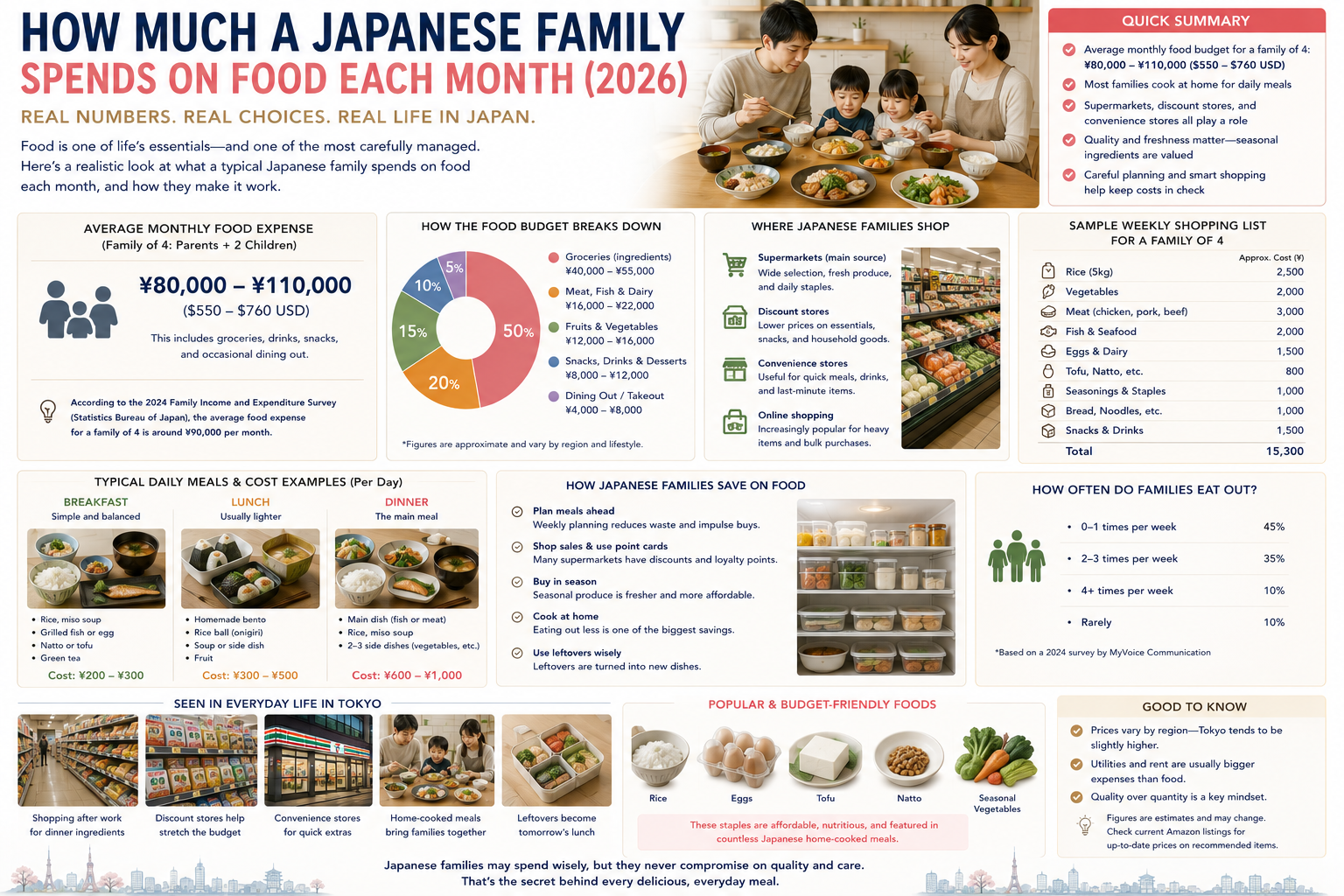
How Much a Japanese Family Spends on Food Each Month (2026)
June 27, 2026 | Family Life | Japanese Best
- Introduction
- Quick Summary
- What Most Japanese Families Do
- A Real Tokyo Family Perspective
- How This Differs From Other Countries
- Practical Takeaways
- Related Japanese Products
- Frequently Asked Questions
- Is how much japanese family spends on food in Japan very different from other countries?
- Do you need to speak Japanese to understand how much japanese family spends on food in Japan?
- Where can I learn more about everyday life in Japan?
- How has how much japanese family spends on food changed in Japan recently?
- Conclusion
- More From Japanese Best
Introduction
If you’ve ever wondered what daily life actually looks like for a Japanese family — not the version in travel guides, but the real, Tuesday-evening version — this is for you.
Quick Summary
- Japanese families handle how much japanese family spends on food with a characteristic blend of routine and care
- Tokyo life adds its own flavour — density, convenience, and neighbourhood trust
- Cultural values like quality over quantity and seasonal awareness shape behaviour
- The approach differs from Western norms in ways both subtle and significant
- Understanding this gives real insight into how Japan works day-to-day
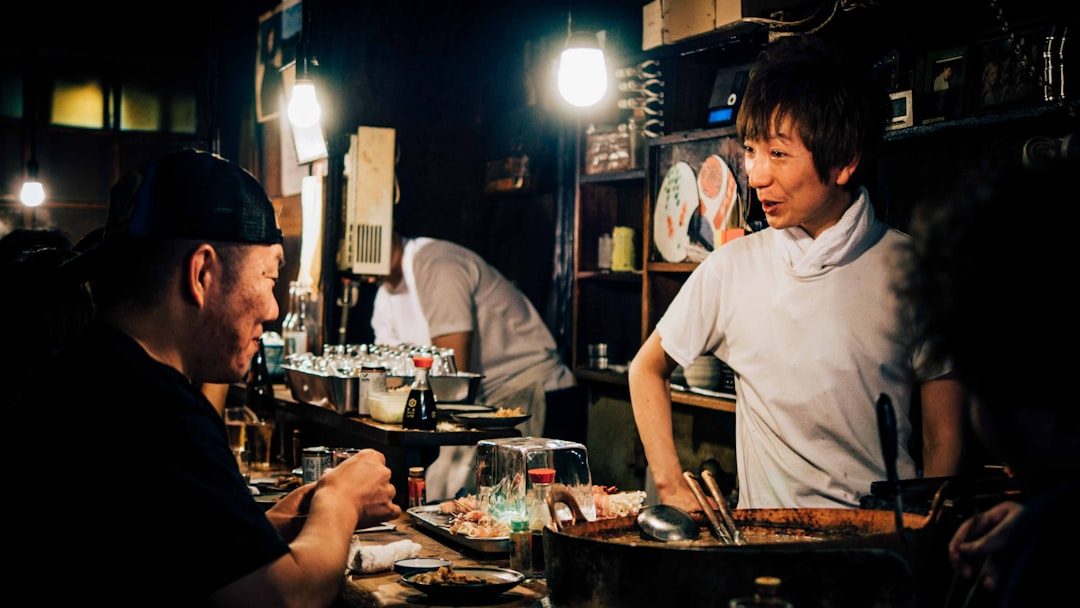
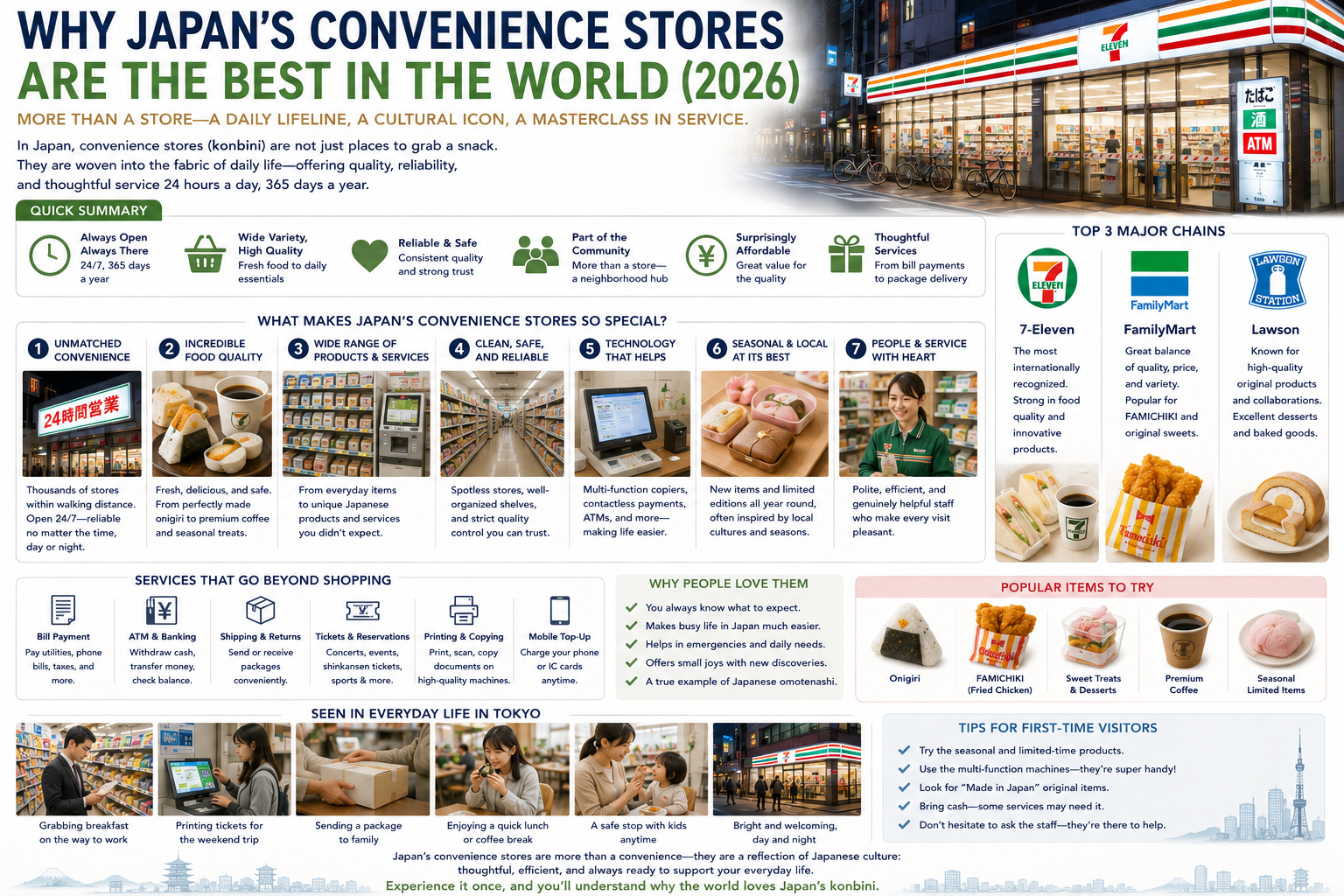
Seen in Everyday Life in Tokyo
What Most Japanese Families Do
When it comes to how much japanese family spends on food, Japanese families have developed routines that reflect both practical necessity and cultural values.
In Tokyo, where space is limited and schedules are packed, families tend to be highly organised. Every aspect of home life — from meal planning to weekend activities — is approached with a quiet efficiency that outsiders often notice immediately.
Most Japanese families I’ve observed share a few consistent traits: they plan ahead, they keep things tidy, and they value reliability over spontaneity. This shapes how much japanese family spends on food in ways that might surprise people from other countries.
A Real Tokyo Family Perspective
Living in Tokyo gives you a front-row seat to Japanese family life. Here’s what I actually observe:
The weekly rhythm matters. Japanese families tend to anchor their week around consistent routines. How Much a Japanese Family Spends on Food Each Month follows patterns that have been refined over years — not because families are rigid, but because predictability makes busy lives manageable.
Practicality and aesthetics coexist. Japanese families care deeply about how things look and feel, but not at the expense of function. A product that looks beautiful but breaks quickly is considered a bad purchase. An ugly product that works perfectly for ten years is respected.
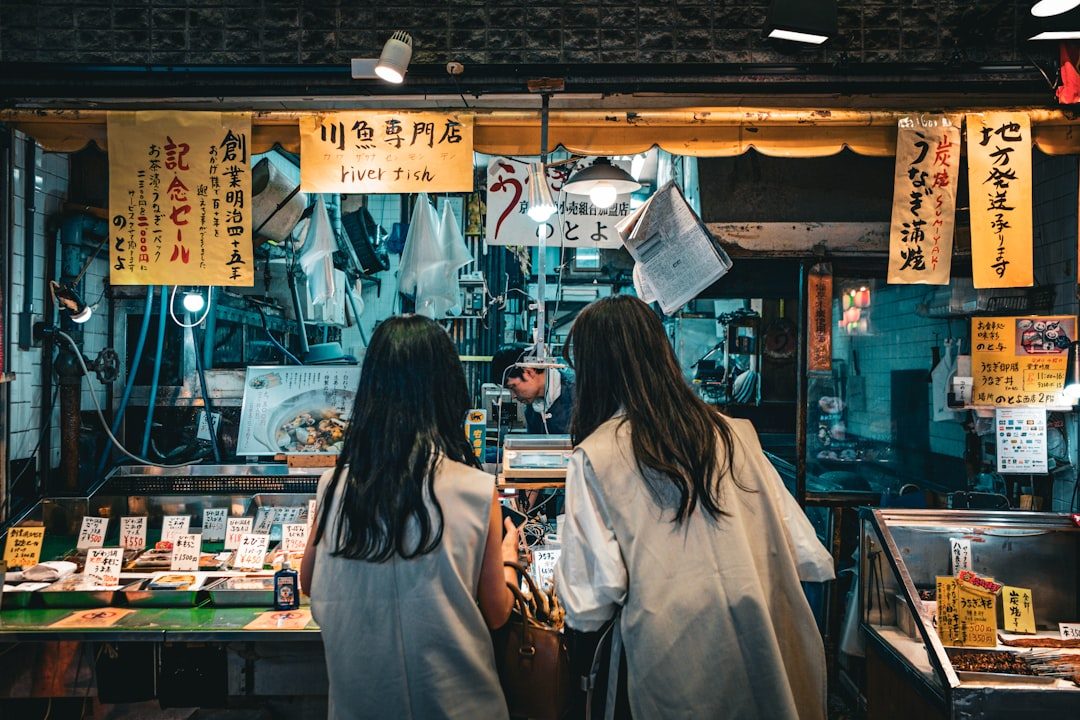
Neighbourhood matters more than you might expect. In Tokyo, daily life is often hyper-local. Families shop at the same supermarket, use the same pharmacy, and walk their children to the same park. How Much a Japanese Family Spends on Food Each Month is often shaped by what’s available and trusted within walking distance.
How This Differs From Other Countries
For overseas readers, understanding how much japanese family spends on food in Japan often means comparing it to what they know at home.
What’s similar: The core motivations — saving money, keeping children healthy, making life comfortable — are universal.
What’s different: The how tends to be distinctly Japanese. Greater attention to seasonal rhythms, a preference for buying less but buying better, and a cultural comfort with routine over variety.
What surprises visitors most: How much daily life in Tokyo revolves around the rhythm of the neighbourhood rather than individual convenience. Japanese families rarely drive to a big-box store 30 minutes away when the local option is good enough.
Practical Takeaways
If you’re interested in how much japanese family spends on food for your own life — or simply curious — here are the key patterns worth knowing:
- Consistency over variety — Japanese families tend to rotate a reliable set of meals, activities, and routines rather than constantly seeking novelty
- Quality over quantity — especially for household items, the default is to buy fewer, better things
- Seasonal awareness — Japanese families adjust their how much japanese family spends on food habits with the seasons in ways most Western households don’t
- Community trust — local stores, local services, and word-of-mouth recommendations within the neighbourhood carry significant weight
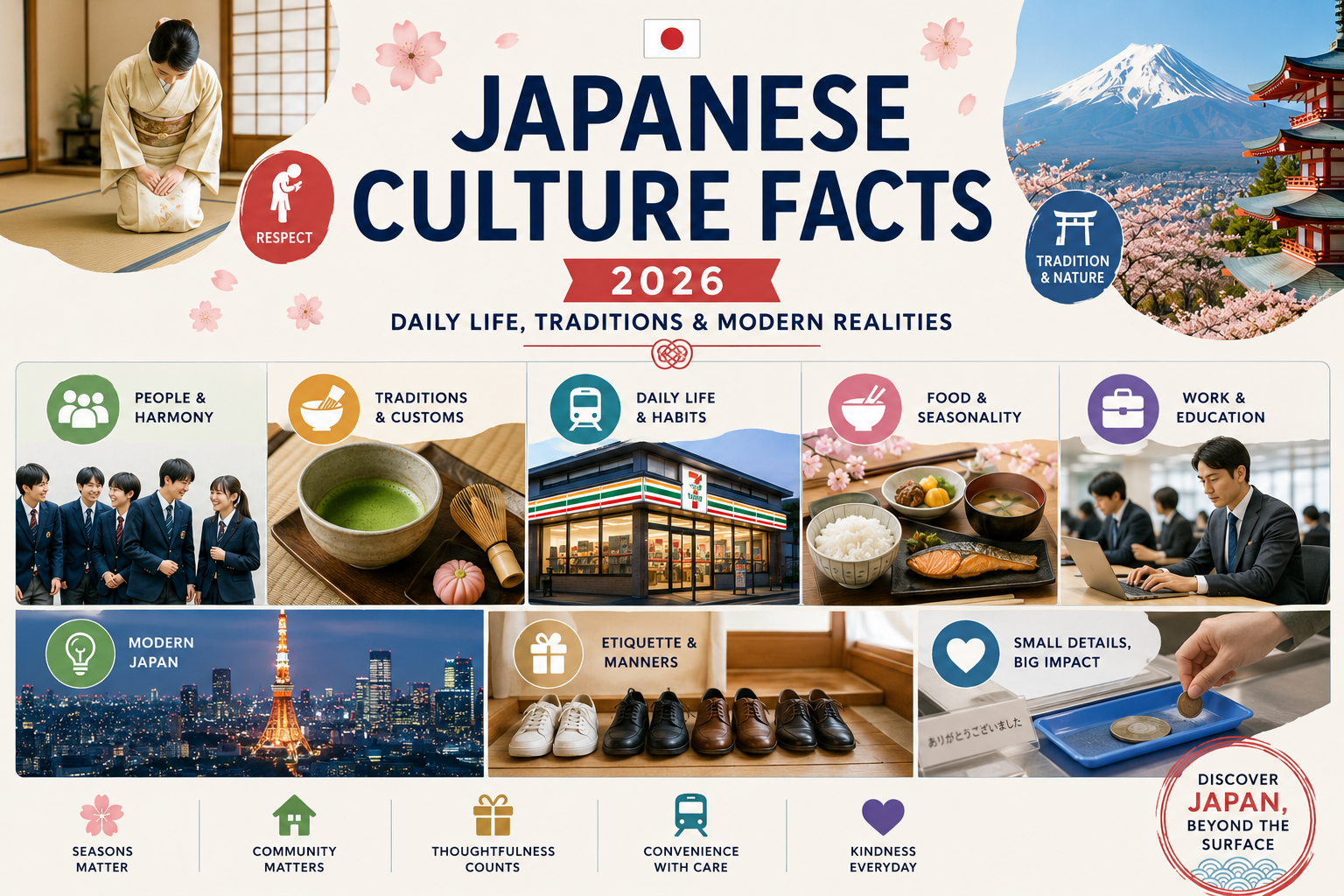
A Real-Life Note from Japan
Related Japanese Products
The products below came up naturally in the context of this article. We only recommend items that genuinely connect to the topic.
| Product | Brand | Best For | Amazon |
|---|---|---|---|
| Zojirushi NS-ZCC10 | Zojirushi | Families who want reliable, consistently great rice without spending on IH | Search on Amazon |
| Benriner BN-1 Japanese Mandoline Slicer | Benriner | Home cooks who want professional-speed, paper-thin slicing for salads and garnishes | Search on Amazon |
| Kyocera Ceramic Coated Frying Pan | Kyocera | Health-conscious cooks who avoid PTFE/Teflon coatings | Search on Amazon |
Zojirushi NS-ZCC10
A beloved micom rice cooker with Neuro Fuzzy logic for consistently fluffy rice.
Best for: Families who want reliable, consistently great rice without spending on IH
Search for Zojirushi NS-ZCC10 on Amazon
Benriner BN-1 Japanese Mandoline Slicer
The original Japanese mandoline — every professional kitchen in Japan has one.
Best for: Home cooks who want professional-speed, paper-thin slicing for salads and garnishes
Search for Benriner BN-1 Japanese Mandoline Slicer on Amazon
Kyocera Ceramic Coated Frying Pan
Japan’s ceramics giant applies its expertise to cookware — a healthier non-stick alternative.
Best for: Health-conscious cooks who avoid PTFE/Teflon coatings
Search for Kyocera Ceramic Coated Frying Pan on Amazon
Frequently Asked Questions
Is how much japanese family spends on food in Japan very different from other countries?
Yes and no. The fundamentals are often similar, but the way Japanese families approach how much japanese family spends on food reflects distinct cultural values — particularly around reliability, quality, community, and seasonal awareness. The differences become clearer the longer you observe Japanese daily life.
Do you need to speak Japanese to understand how much japanese family spends on food in Japan?
For visitors, basic Japanese phrases help significantly. For deeper understanding of the culture around how much japanese family spends on food, learning Japanese opens up a much richer picture. That said, a lot of relevant information is now available in English, and many Japanese people in cities like Tokyo are comfortable with basic English communication.
Where can I learn more about everyday life in Japan?
Beyond this article, Japanese family and lifestyle YouTube channels, Reddit’s r/japan and r/japanlife communities, and English-language Japanese media provide excellent ongoing perspectives. Following Japanese people on social media who document daily life is also revealing.
How has how much japanese family spends on food changed in Japan recently?
Like most aspects of Japanese society, how much japanese family spends on food is evolving — particularly as younger generations develop different priorities from their parents. The core cultural values remain consistent, but the expressions of those values are shifting.
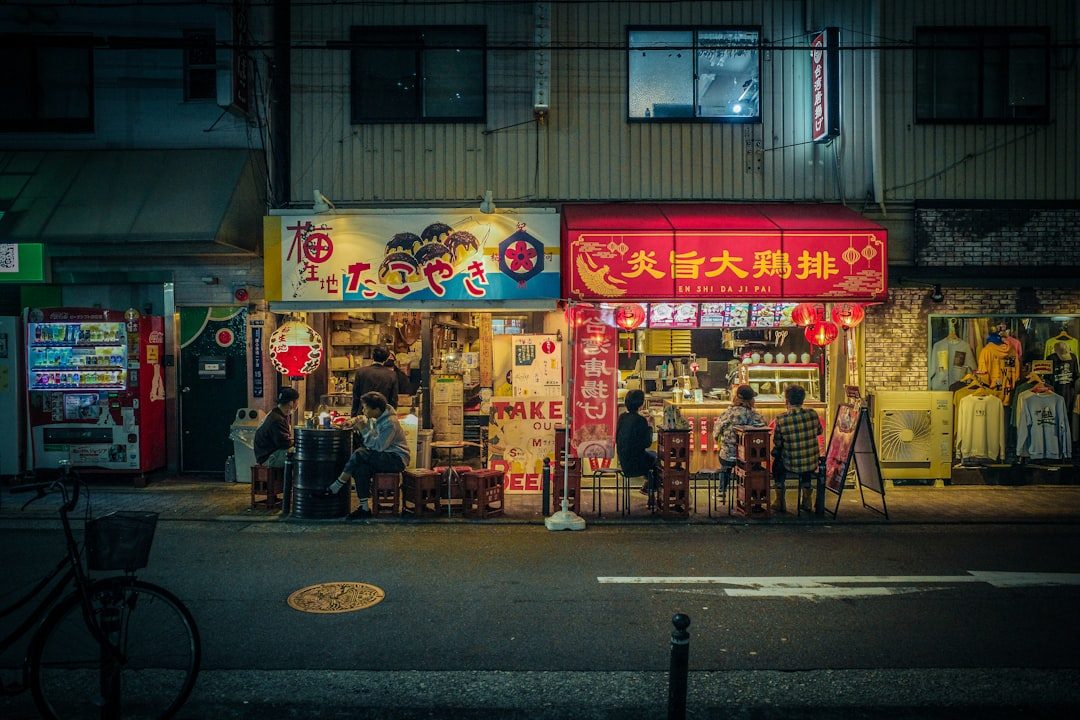
What I Often See in Japanese Stores
Conclusion
How Much a Japanese Family Spends on Food Each Month is one of those topics that rewards close attention. The more you understand about how Japanese families approach how much japanese family spends on food, the more you appreciate the consistency and thoughtfulness built into everyday Japanese life.
If you’re curious to go deeper, explore our other articles on Family Life — or browse our guides to Tokyo life, Japanese food culture, and everyday family routines.
Last updated: June 2026 | Japanese Best — Discover What Japanese Families Actually Use, Buy and Enjoy
More From Japanese Best
Disclosure: As an Amazon Associate, Japanese Best earns from qualifying purchases. This does not affect our recommendations. We only feature products we genuinely believe are worth your consideration.
Editorial Disclaimer
The views, opinions, and recommendations in this article are the author’s own and reflect personal experience living in Japan. They do not constitute professional, financial, or purchasing advice of any kind.
Product availability, pricing, and specifications are subject to change without notice. Japanese Best makes no warranties — express or implied — regarding the accuracy or completeness of this content, and accepts no liability for any decisions made based on it. Always verify details directly with the retailer or manufacturer before purchasing.
コメント