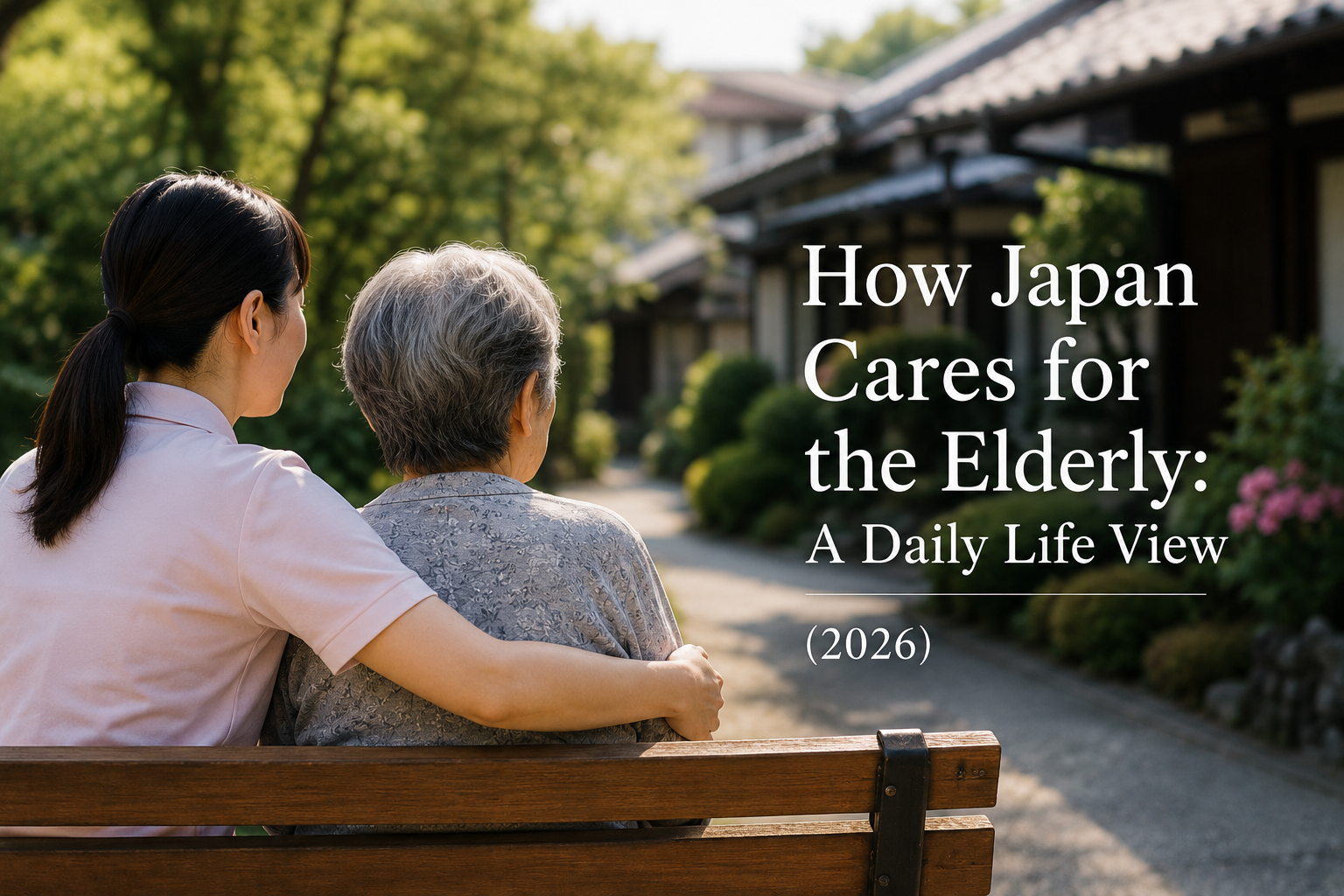
How Japan Cares for the Elderly: A Daily Life View (2026)
June 28, 2026 | Trends & News | Japanese Best
Japan is ageing faster than any other developed nation. By 2070, nearly 40% of its population will be over 65, reshaping everything from housing design to family routines. This isn’t a distant problem—it’s happening now, affecting millions of daily decisions across Tokyo, Kyoto, rural Nagano, and beyond. This overview of japan elderly care daily life reveals something profound about Japanese values: respect for independence, community responsibility, and the quiet innovation that emerges when necessity meets culture.
Quick Summary
- Japan’s elderly population exceeds 36 million, creating unprecedented demand for care services and home adaptations
- Family care remains central, but professional services and technology are increasingly filling the gap
- Kaigo (介護), Japan’s long-term care insurance system, subsidises care costs for those over 40
- Urban centres like Tokyo now feature robot caregivers, smart homes, and day-care facilities alongside traditional family arrangements
- This trend reflects Japan’s approach to ageing: maintaining dignity, independence, and social connection for as long as possible
The Background
Japan’s demographic shift began in the 1980s and has accelerated dramatically. Today, one in three Japanese citizens is aged 65 or older. This wasn’t caused by immigration—Japan’s borders remain relatively closed—but by two forces: exceptional longevity (average lifespan is 84 years) and a birth rate that dropped below replacement level decades ago.
The traditional model of three generations under one roof has largely dissolved. Post-war urbanisation meant younger families moved to cities for work, leaving elderly parents in rural areas or living separately in cities. Smaller modern homes, changing gender roles, and women entering the workforce transformed caregiving from an assumed family duty into a complex negotiation.
By 2000, Japan introduced kaigo hoken (介護保険), a mandatory long-term care insurance system. Everyone pays from age 40; those 65 and over can claim benefits based on assessed need. Monthly premiums average ¥6,000–¥7,000 nationally, with services ranging from home visits to residential facilities. This safety net made elderly care a shared social responsibility rather than purely a family burden.
How Japanese Families Are Responding
Today’s Japanese families are navigating three main care models simultaneously: co-residence, proximity care, and professional support — each shaping a different picture of japan elderly care daily life.
In rural prefectures like Shimane and Yamagata, multi-generational homes still exist, though they’re declining. A 2022 survey found only 12% of elderly live with adult children, compared to 70% in 1980. Where co-residence does happen, it’s often negotiated carefully—adult children maintain separate entrances or floors to preserve independence.
Urban families in Tokyo and Osaka typically opt for proximity care: elderly parents live alone or with a spouse nearby, whilst children visit weekly or organise professional caregivers. Convenience stores like Family Mart and Lawson have become informal support networks; staff often check on regular elderly customers and alert families to changes in behaviour.
Many families hire home helpers (hōmuherupā) through kaigo agencies. These professionals visit 2–4 times weekly, assisting with bathing, dressing, medication, and light housework. The cost is roughly ¥3,000–¥5,000 per visit after insurance subsidies, manageable for middle-class families. Day-care centres (デイサービス) are equally popular, offering socialisation, exercise, and meals—crucial for preventing isolation and cognitive decline.
What Products and Services Are Popular Because of This
Japan’s elderly care sector has spawned remarkable innovations. Adult incontinence products are now a ¥1.5 trillion industry; companies like Unicharm dominate globally because Japanese manufacturers perfected fit and discretion decades ago.
Bathroom safety equipment—non-slip tiles, grab bars, and heated toilet seats—fills home improvement stores nationwide. Pharmacies stock compression socks, walking aids, and medication organisers. Restaurants and convenience stores increasingly offer softer foods and clearly marked nutrition information targeting elderly customers.
Digital services are transforming care delivery. Care facilities use apps to track medication schedules and communicate with families. Some Tokyo nursing homes employ robot companions (like Pepper) for reminiscence therapy—residents interact with AI avatars that recall shared memories, reducing loneliness without replacing human staff.
Wearable devices that monitor falls and irregular heart rhythms appeal to elderly Japanese keen to age at home independently. Smartwatch adoption among over-75s is growing, especially in urban areas where children monitor parents remotely.
What This Tells Us About Japan
Japan’s elderly care approach reveals core cultural values. The concept of ikigai—a reason for living—drives policies emphasising activity and purpose. Rather than warehousing elderly people, best-practice facilities in Tokyo’s Minato ward and Kyoto offer ceramics classes, gardening, and intergenerational programmes.
There’s also profound respect for kotoshi—appropriateness and dignity. Elderly Japanese resist becoming burdens; many refuse help longer than practical because accepting care feels like imposing on family. This tension produces innovation: technology and services that let people maintain control whilst receiving necessary support.
Finally, Japan’s response reflects collective responsibility. Kaigo insurance isn’t charity; it’s a social contract. Working-age Japanese pay premiums understanding they’ll eventually receive care. This removes stigma and ensures access regardless of family wealth—a striking contrast to more market-driven healthcare systems.
FAQ
Can elderly Japanese people stay in their homes?
Yes, kaigo supports home-based care extensively. Most prefer ageing at home with professional help rather than moving to facilities.
Are nursing homes common in Japan?
Growing, but still less common than family or home-based care. About 3.5 million elderly live in facilities nationally; costs range from ¥100,000–¥400,000+ monthly depending on location and services.
What’s the retirement age?
Officially 65, though many continue working part-time. The government is gradually raising the pension eligibility age to 70.
Do children have legal obligation to care for parents?
Historically yes, but modern law is flexible. Kaigo was partly designed to reduce this burden.
Japan’s elderly care system isn’t perfect—rural areas face severe staff shortages, and costs strain many families despite insurance. Yet the model demonstrates that ageing needn’t mean abandonment. By combining family involvement, professional services, technology, and a genuine commitment to preserving dignity, Japan offers lessons for ageing societies worldwide. As the world greyers, Japan’s pragmatic, human-centred approach—balancing independence with support, tradition with innovation—becomes increasingly relevant.
Seen in Everyday Life in Tokyo
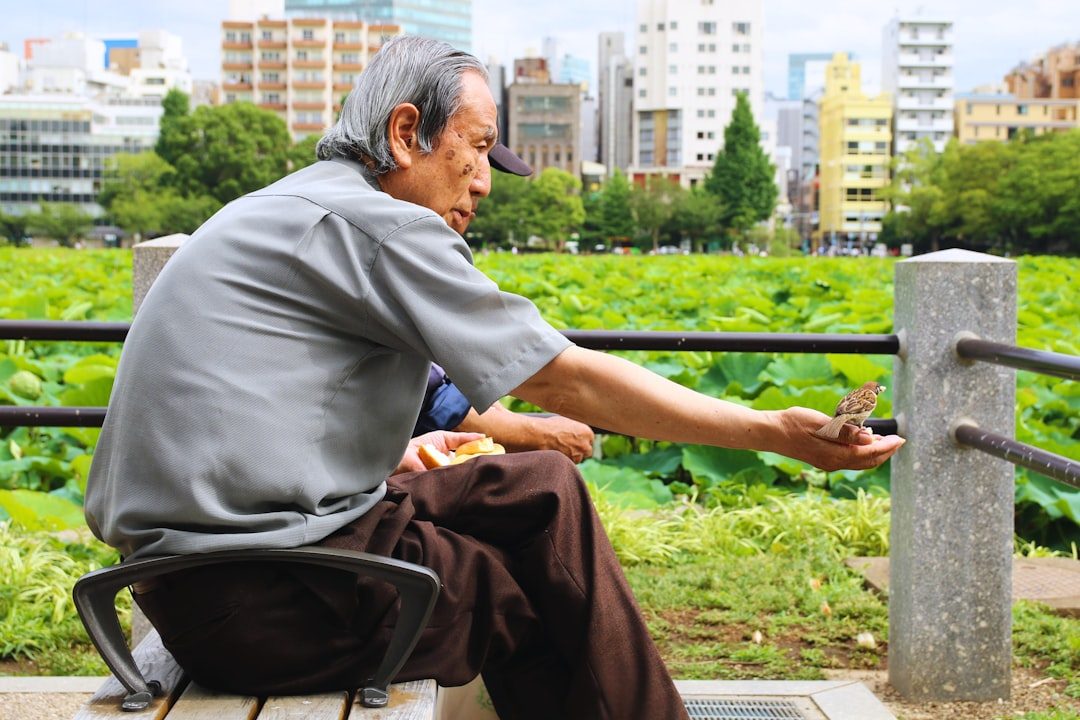
A Real-Life Note from Japan
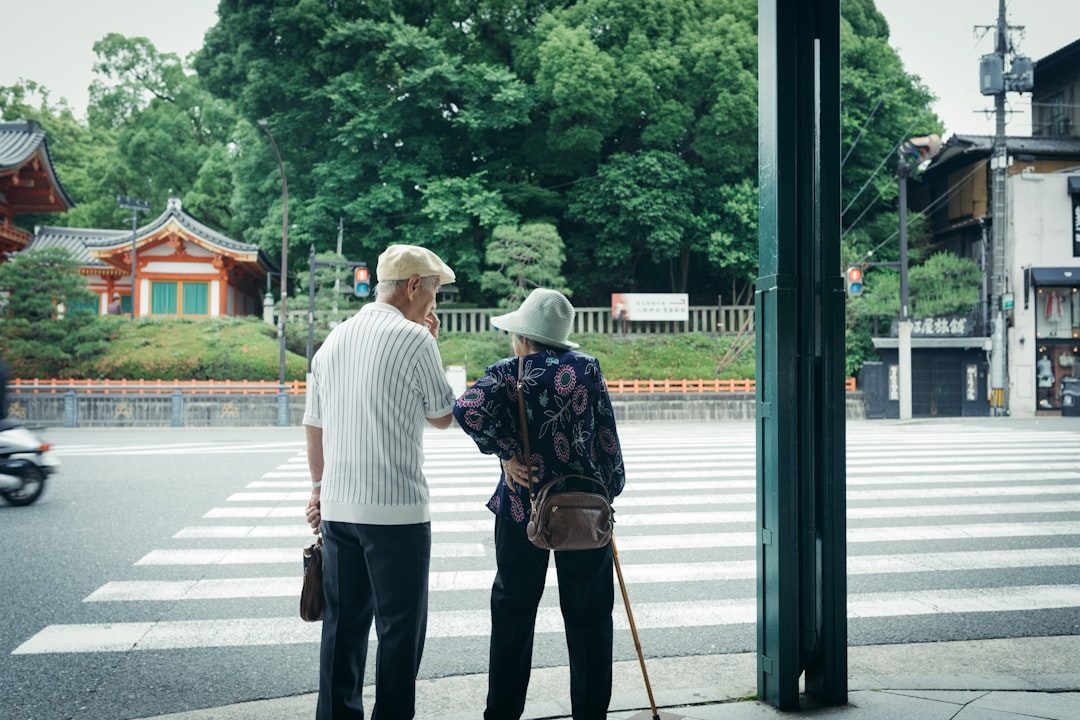
What I Often See in Japanese Stores
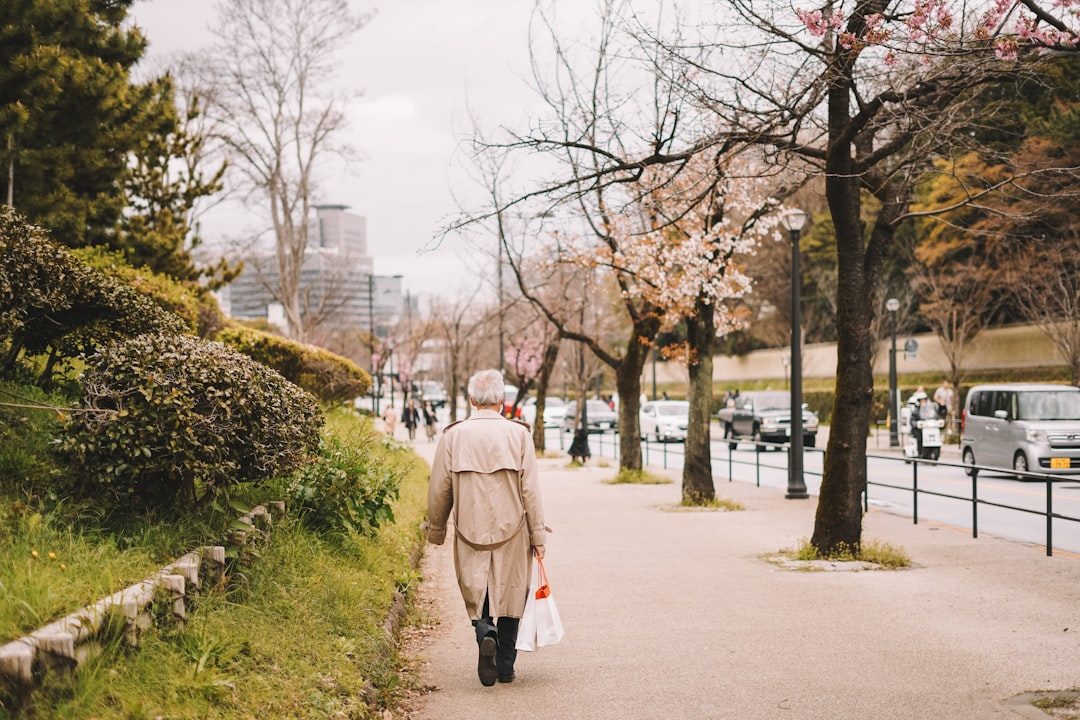
What does this japan elderly care daily life picture leave out?
It’s not evenly distributed — rural areas face severe staff shortages, and out-of-pocket costs still strain many families even with kaigo insurance covering part of the bill. Access and quality vary significantly by region.
Shop Japanese Products
If you’re inspired by what Japanese families use in this area, you can find a wide range of authentic Japanese products on Amazon:
Shop Related Japanese Products on Amazon
More From Japanese Best
Disclosure: As an Amazon Associate, Japanese Best earns from qualifying purchases. This does not affect our recommendations. We only feature products we genuinely believe are worth your consideration.
Editorial Disclaimer
The views, opinions, and recommendations in this article are the author’s own and reflect personal experience living in Japan. They do not constitute professional, financial, or purchasing advice of any kind.
Product availability, pricing, and specifications are subject to change without notice. Japanese Best makes no warranties — express or implied — regarding the accuracy or completeness of this content, and accepts no liability for any decisions made based on it. Always verify details directly with the retailer or manufacturer before purchasing.
コメント