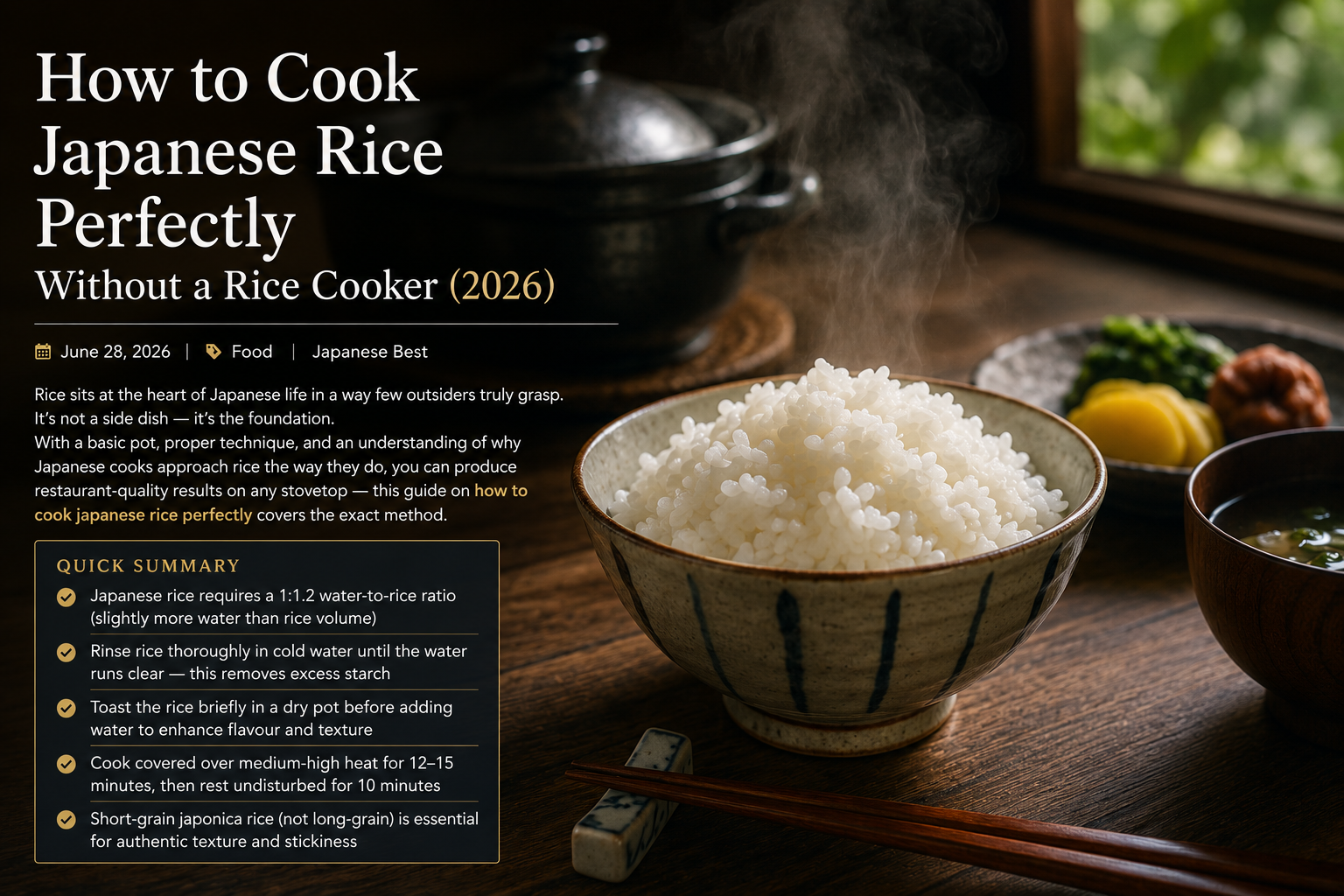
How to Cook Japanese Rice Perfectly Without a Rice Cooker (2026)
June 28, 2026 | Food | Japanese Best
Rice sits at the heart of Japanese life in a way few outsiders truly grasp. Walk into any Japanese home during dinner, and you’ll find a steaming pot of white rice beside grilled fish, pickled vegetables, and miso soup. It’s not a side dish — it’s the foundation. Yet many home cooks abroad assume you need a rice cooker to achieve the fluffy, glistening grains that characterise Japanese home cooking. You don’t. With a basic pot, proper technique, and an understanding of why Japanese cooks approach rice the way they do, you can produce restaurant-quality results on any stovetop — this guide on how to cook japanese rice perfectly covers the exact method.
Quick Summary
- Japanese rice requires a 1:1.2 water-to-rice ratio (slightly more water than rice volume)
- Rinse rice thoroughly in cold water until the water runs clear — this removes excess starch
- Toast the rice briefly in a dry pot before adding water to enhance flavour and texture
- Cook covered over medium-high heat for 12–15 minutes, then rest undisturbed for 10 minutes
- Short-grain japonica rice (not long-grain) is essential for authentic texture and stickiness
What Japanese Families Actually Eat
Japanese families prepare rice daily, often at least twice — breakfast rice and dinner rice. The rice itself is remarkably simple: short-grain japonica varieties like Koshihikari or Hitomebore, grown throughout Japan’s rice-producing regions like Niigata and Toyama prefectures. These varieties contain more amylopectin starch than long-grain varieties, giving them their characteristic slight stickiness and ability to clump together when pressed. This isn’t accidental texture — it’s essential to Japanese eating culture. Rice sticks to chopsticks, moulds into rice bowls, and provides the neutral canvas for flavoured accompaniments.
The rice itself carries minimal seasoning in everyday meals, though sushi rice or ceremonial rice dishes might include vinegar, sugar, or salt. A typical family dinner features plain steamed rice alongside grilled mackerel, spinach ohitashi, pickled radish, and a bowl of miso soup. The rice’s role is to balance the umami-rich and often salty side dishes. This is why texture matters profoundly — badly cooked rice with hard centres or mushy consistency disrupts the entire meal’s harmony.
How It’s Prepared at Home
Begin by measuring your rice using a traditional Japanese rice cooker cup (about 180 millilitres), or simply use a standard teacup for consistency. Place the rice in a fine-mesh sieve and rinse it thoroughly under cold running water, stirring gently with your hand. Continue rinsing for two to three minutes until the water runs completely clear — this removes surface starch that would otherwise create a gluey texture. Japanese cooks take this step seriously; it’s the difference between glossy individual grains and a stodgy mass.
Heat a heavy-bottomed pot (cast iron works beautifully) over medium-high heat. Add your rinsed rice and toast it dry for one to two minutes, stirring constantly. You’ll notice the rice’s appearance change slightly and smell a faint nutty aroma — this develops flavour. Add water using a 1:1.2 ratio: for every cup of rice, add about 1.2 cups of cold water. Bring the water to a boil uncovered, then reduce heat to low, cover with a tight-fitting lid, and cook for exactly twelve minutes. Resist the temptation to peek inside. After twelve minutes, remove from heat and let it rest, still covered, for another ten minutes. This resting period allows moisture to redistribute evenly. Finally, use a shamoji (rice paddle) to gently fluff the rice, separating grains with upward strokes rather than stirring.
Where to Buy the Ingredients
In Japan, short-grain japonica rice is available everywhere — from supermarkets like Aeon to local fishmongers and dedicated rice shops. Prices vary considerably: budget options run around ¥1,200–1,500 per 5-kilogramme bag, whilst premium Koshihikari from Niigata reaches ¥3,000–4,000. Many Japanese families purchase monthly, storing rice in cool, dark cupboards or in dedicated rice storage containers.
Outside Japan, Japanese rice is increasingly available online through Asian grocers and mainstream supermarkets. Look for packaging labelled “japonica,” “short-grain,” or explicitly “Japanese rice” — avoid sushi rice premixed with vinegar and sugar. European health food shops sometimes stock quality Japanese varieties. A 5-kilogramme bag typically costs £12–18, offering excellent value compared to restaurant dining. For the cooking itself, any heavy-bottomed pot with a well-fitting lid suffices — no specialist equipment required.
Why Japanese People Love This Food
Rice represents stability, sustenance, and cultural continuity in Japan. Historically, rice was currency and social status — owning rice paddies determined a family’s wealth. Today, that reverence persists. Japanese children grow up eating rice at every meal, developing an intuitive understanding of proper texture and cooking technique. The comfort associated with home-cooked rice runs deep.
Beyond nostalgia, rice’s neutral flavour profile makes it the perfect vehicle for Japan’s other culinary strengths: precise vegetable preparation, delicate fish cookery, and umami-rich broths. Rice doesn’t compete; it supports. This philosophy extends to how Japanese cooks approach ingredients generally — respecting each element’s role rather than overwhelming flavours. Perfectly cooked rice, fluffy and slightly warm, tastes faintly sweet from the starches — a subtle pleasure that disappears when texture goes wrong.
FAQ
Can I use long-grain rice instead of short-grain?
Technically yes, but results will disappoint. Long-grain rice remains separate and dry, missing the slight stickiness essential to Japanese eating culture.
What if my rice comes out too wet?
You’ve likely used too much water or not allowed sufficient resting time. Reduce water slightly next time and ensure your lid fits tightly during cooking.
Is rinsing really necessary?
Absolutely. Unrinsed rice produces a starchy, gluey result. Japanese cooks consider rinsing non-negotiable.
Can I cook rice without toasting it first?
Yes — toasting simply enhances flavour. It’s optional but recommended for noticeably better taste.
How should I store cooked rice?
Consume within twenty-four hours. Store in an airtight container in the refrigerator. Rice freezes well for up to a month.
Mastering stovetop rice cooking connects you directly to how millions of Japanese families prepare meals daily. The technique is straightforward, the ingredients affordable, and the results genuinely indistinguishable from rice cooker versions when proper method is followed. Once you’ve produced a perfect pot — steam rising gently as you lift the lid, each grain distinct yet cohesive — you’ll understand why rice remains central to Japanese dining culture.
Seen in Everyday Life in Tokyo
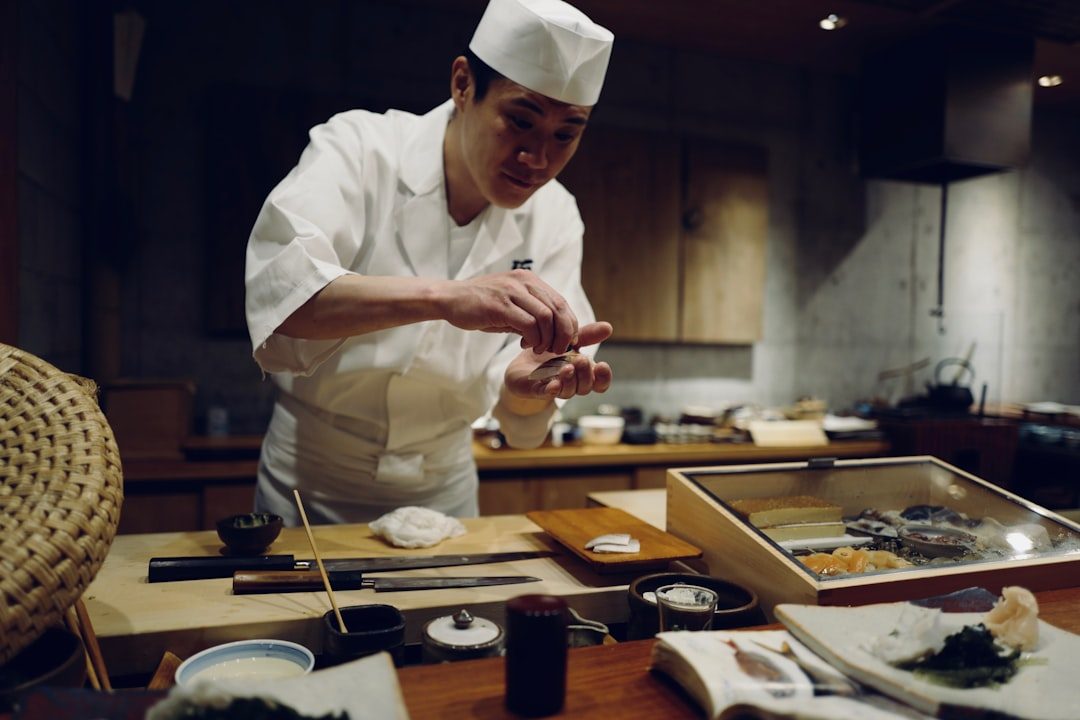
A Real-Life Note from Japan
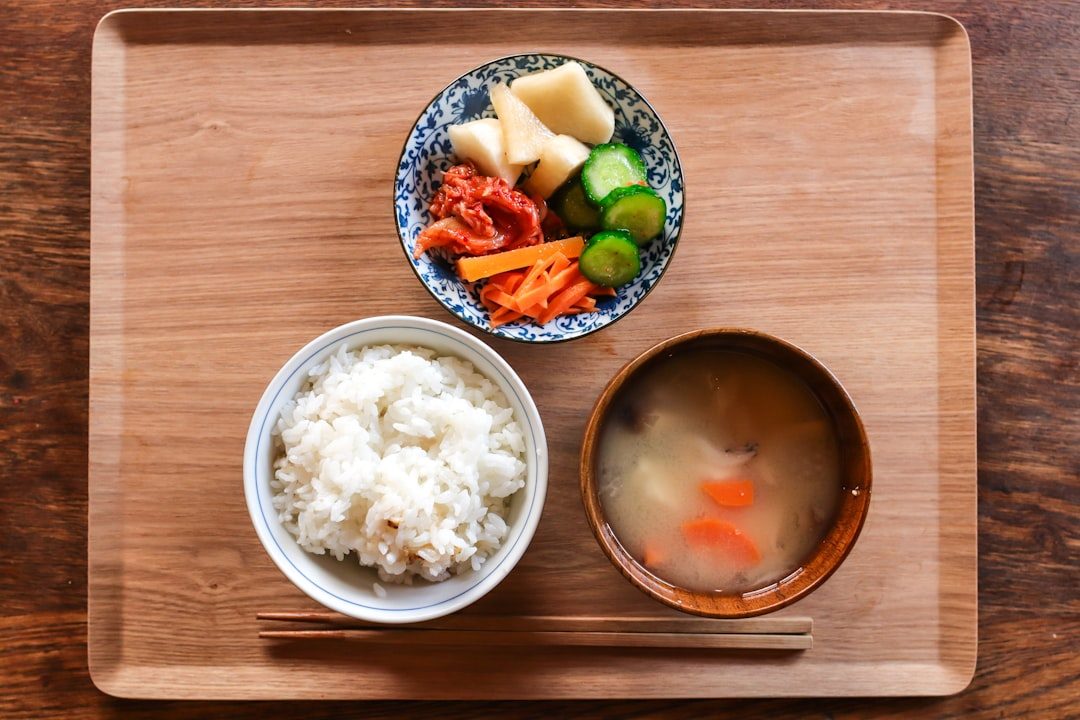
What I Often See in Japanese Stores
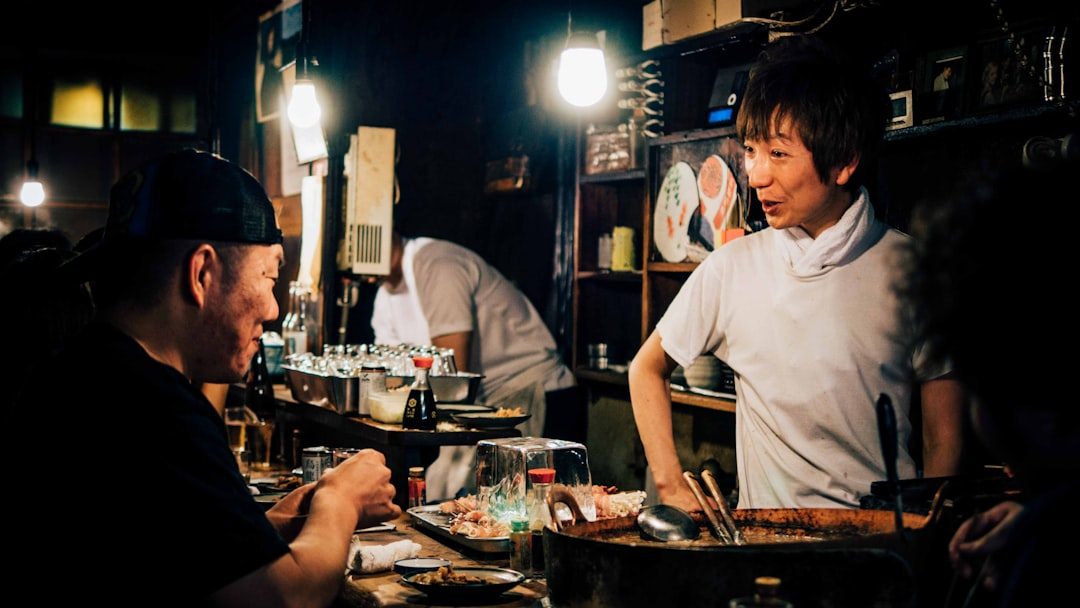
Does this how to cook japanese rice perfectly method work without special equipment?
Yes — a heavy-bottomed pot with a tight-fitting lid is all you need. No rice cooker, sushi mat, or specialist tools are required to get restaurant-quality results on a regular stovetop.
Shop Japanese Products
If you’re inspired by what Japanese families use in this area, you can find a wide range of authentic Japanese products on Amazon:
Shop Related Japanese Products on Amazon
More From Japanese Best
Disclosure: As an Amazon Associate, Japanese Best earns from qualifying purchases. This does not affect our recommendations. We only feature products we genuinely believe are worth your consideration.
Editorial Disclaimer
The views, opinions, and recommendations in this article are the author’s own and reflect personal experience living in Japan. They do not constitute professional, financial, or purchasing advice of any kind.
Product availability, pricing, and specifications are subject to change without notice. Japanese Best makes no warranties — express or implied — regarding the accuracy or completeness of this content, and accepts no liability for any decisions made based on it. Always verify details directly with the retailer or manufacturer before purchasing.

コメント