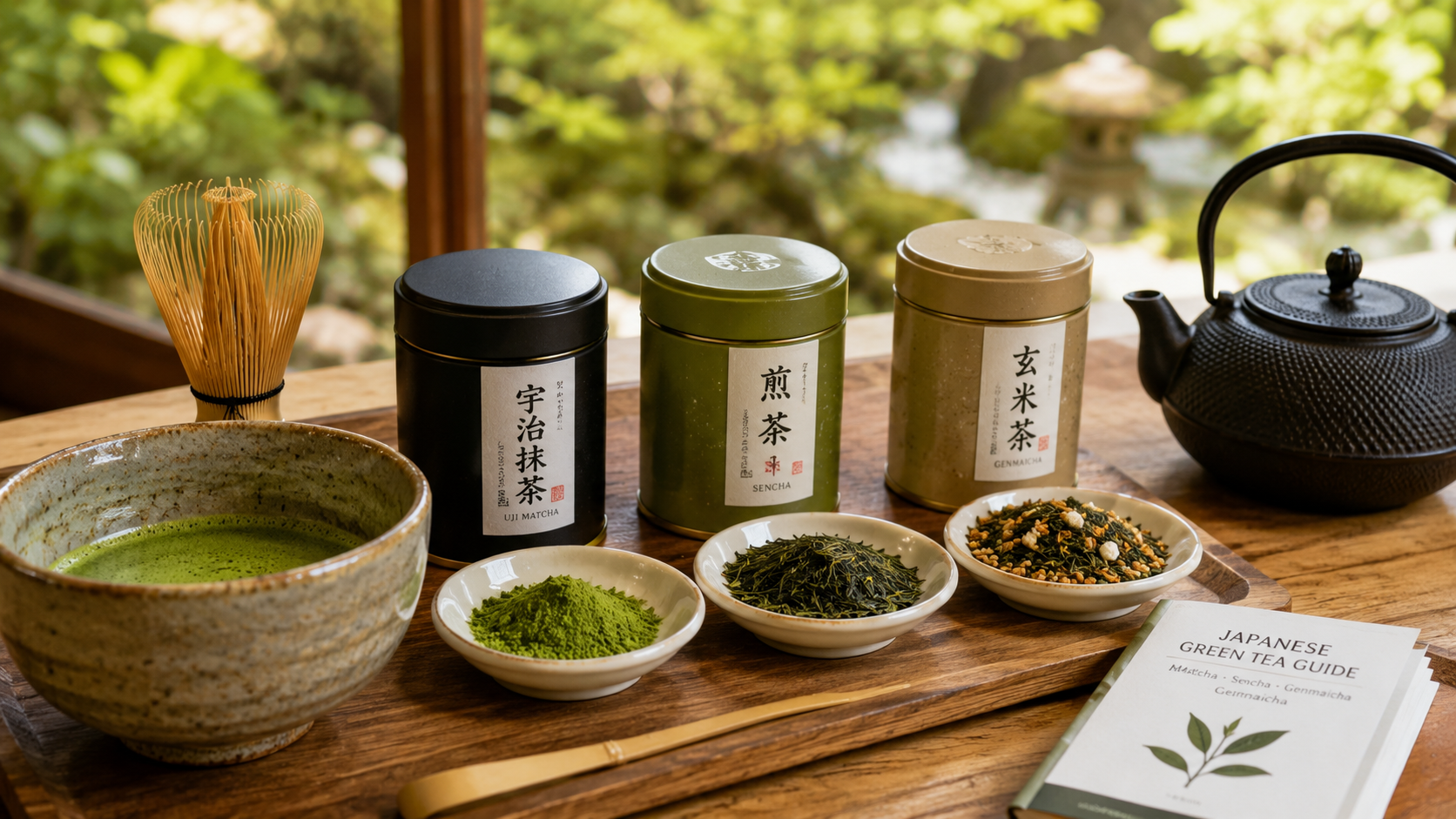
Best Japanese Matcha Powder for Beginners
July 11, 2026 | Products | Japanese Best
- Best Overall: Ito En Oi Ocha Premium Green Tea
- Best Value: Uji Matcha Ceremonial Grade (Various Brands)
- Best Premium: Yamamotoyama Genmaicha Tea Bags
Stepping into Japan’s world of green tea can feel overwhelming. Matcha, sencha, genmaicha—what’s the difference? Which one is right for you? Japan’s tea culture stretches back over a thousand years, refined through centuries of tradition and regional expertise. If you’re new to Japanese matcha powder and want to understand what makes these products special, you’ve come to the right place. This guide will help you navigate the options and find the perfect match for your taste and lifestyle.
Quick Summary
- Japanese matcha and green teas offer distinct flavour profiles, from grassy and delicate to nutty and approachable
- Uji, near Kyoto, is Japan’s most prestigious matcha-producing region, with ceremonial-grade options offering the highest quality
- Beginners often prefer genmaicha (green tea with roasted rice) over pure matcha due to its gentler, earthier flavour
- Quality Japanese products are identified by region of origin, cultivation method, and harvest timing
- Premium matcha costs between ¥2,000–¥8,000 per 30g tin; everyday grades start at ¥500–¥1,000
A Note from Tokyo: In my experience shopping at places like Yodobashi Camera and Loft in Tokyo, Japanese products are not a luxury purchase — they’re the everyday baseline. Japanese households simply expect this level of quality, which means manufacturers have no room to cut corners.
🛒 Shop Recommended Products
Quick Comparison Table
| Product | Best For | Flavour Profile | Price Range |
|---|---|---|---|
| Premium Sencha | Green tea newcomers | Grassy, refreshing, clean | £8–£15 |
| Uji Ceremonial Matcha | Matcha ceremony enthusiasts | Rich, creamy, umami-forward | £20–£40 |
| Genmaicha | Beginners finding matcha too intense | Nutty, earthy, approachable | £5–£12 |
Why Japanese Products Stand Out
Japanese tea production combines ancient wisdom with meticulous craftsmanship. The country’s climate—with misty mornings, volcanic soil, and specific latitude ranges—creates ideal conditions for growing exceptional green tea. Japanese farmers use shade-growing techniques (called tenkoku for matcha) to boost chlorophyll and amino acid levels, especially L-theanine, which creates that characteristic sweet umami flavour.
What sets Japan apart isn’t just geography; it’s certification and transparency. Japanese matcha and green teas are graded by regional origin—Uji, Yame, Nishio—each carrying distinct flavour characteristics. Ceremonial-grade matcha comes from the first spring harvest, processed within hours of picking to preserve freshness. Many Japanese producers list harvest dates and farmer names on packaging, offering traceability that few other countries match. This commitment to quality control and authenticity is why Japanese green tea commands premium prices globally.
Top Picks — Detailed Reviews
For Green Tea Newcomers
If you’re completely new to Japanese tea, Ito En Oi Ocha Premium Green Tea by Ito En is an excellent starting point. Ito En is Japan’s largest and most trusted green tea producer, with over 100 years of heritage. Their premium sencha delivers a clean, grassy flavour with subtle sweetness—nothing overwhelming. It’s refreshing hot or cold, and the quality is reliable across every package. This product bridges the gap between everyday tea drinkers and Japan’s tea culture without demanding ceremonial preparation or expensive equipment.
For Matcha Ceremony Enthusiasts
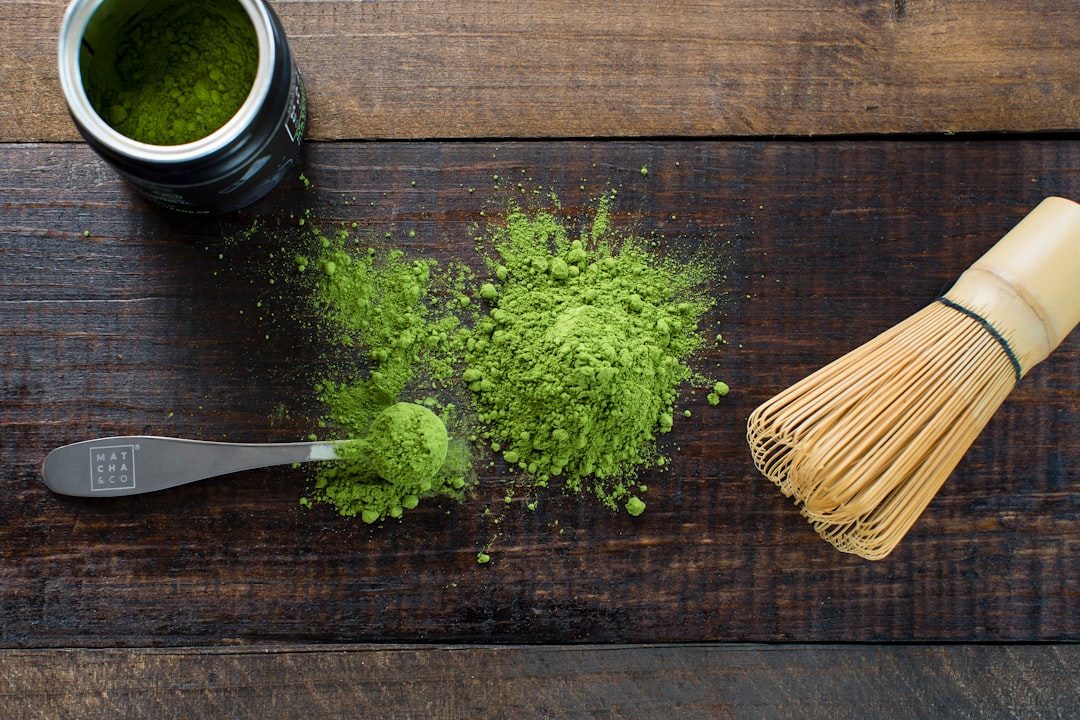
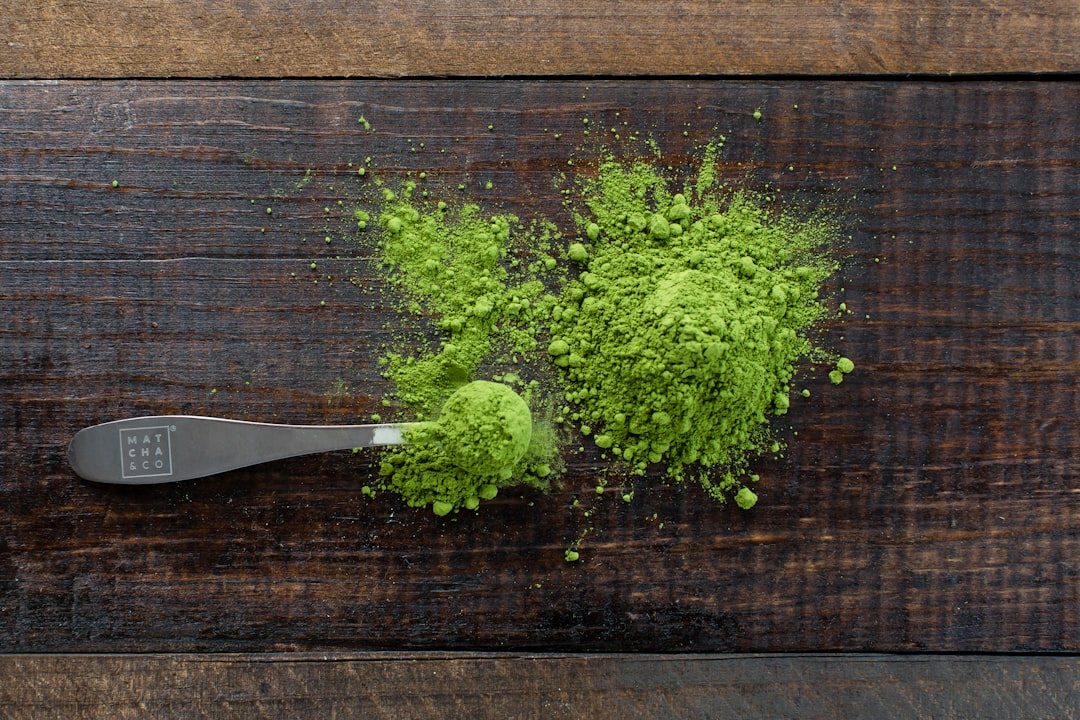
Serious matcha drinkers should explore Uji Matcha Ceremonial Grade (Various Brands) by Various Uji Brands. Uji, located in Kyoto Prefecture, produces the world’s finest matcha. Ceremonial-grade matcha comes only from the youngest tea leaves, shade-grown for 3–4 weeks before harvest. The powder is vibrant jade-green, fine as face powder, and dissolves into a creamy, umami-rich liquid. True ceremonial matcha costs more (often £25–£40 per 30g tin), but the depth of flavour and silky mouthfeel justify the investment for ceremony or serious daily preparation.
For Beginners Who Find Pure Matcha Too Intense
Many newcomers find pure matcha’s intensity challenging. Yamamotoyama Genmaicha Tea Bags by Yamamotoyama solves this perfectly. Genmaicha blends sencha green tea with roasted brown rice, creating a nutty, toasted aroma and a gentler, more approachable flavour. It’s less “vegetal” than pure matcha, warming and comforting, and the tea bags make preparation effortless. Yamamotoyama, a family company established in 1690, has perfected this blend for over three centuries. At £5–£8 per box, it’s affordable and ideal for exploring Japanese tea culture without commitment or complexity.
What Japanese Buyers Look For
In Japan itself, tea buyers prioritise region of origin above all else. A tea from Yame (Fukuoka) has different characteristics than one from Shizuoka, despite both being excellent. Harvest timing matters enormously: shincha (first flush, April–May) commands the highest prices and flavour intensity. Japanese consumers also check the tencha or aracha designation for matcha—referring to the leaf stage before grinding—and look for bright, consistent colour as a sign of freshness.
Packaging and storage are equally important. Premium matcha comes in small tins or pouches (usually 30g–100g) rather than large quantities, because it oxidises quickly. Japanese buyers expect detailed brewing instructions and harvest dates. Many premium products from established makers like Encha, DoMatcha, or regional co-operatives include QR codes linking to harvest records and farmer information. This transparency reflects Japan’s cultural value of shohin (quality consciousness) and mottainai (respect for resources).
Buying Guide
For beginners: Start with genmaicha or a standard sencha like Ito En’s offering. Both are forgiving, affordable (£5–£12), and require only hot water and a basic strainer.
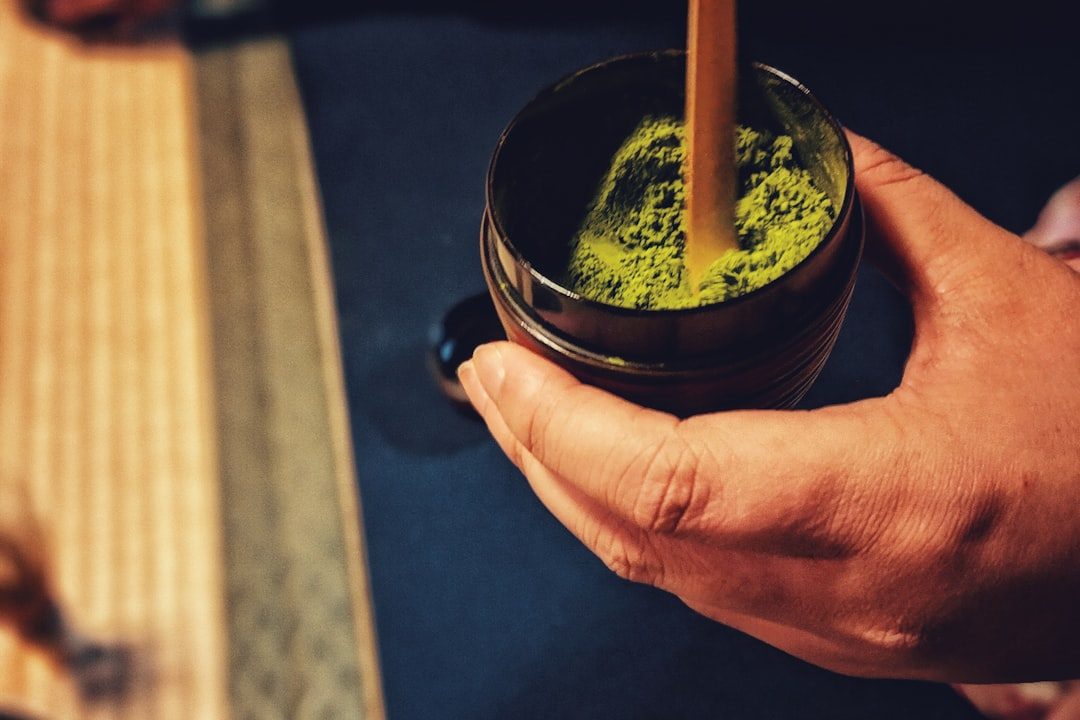
For intermediate drinkers: Invest in a whisk (chasen) and bowl (chawan), then experiment with ceremonial-grade matcha. You’ll need hot water around 70–80°C (not boiling), which preserves the delicate flavour.
For storage: Keep matcha in an airtight container in a cool, dark place. Refrigeration extends shelf life to 6–12 months. Once opened, use within 4 weeks for best quality.
Price expectations: Everyday green tea costs £3–£8 per package. Ceremonial-grade Uji matcha ranges from £15–£50. Premium single-origin matcha from specific farmers can exceed £80 per 30g tin.
Where to buy: Reputable online retailers, Japanese specialty shops, and verified Amazon sellers are safest. Check for Japanese import certifications and recent harvest dates.
FAQ
Is matcha powder or tea better for beginners?
Tea bags or loose-leaf sencha are easier starting points. Matcha requires whisking technique and specific equipment, making it more intimidating initially.
Can I use ceremonial-grade matcha every day?
Yes, but it’s expensive. Many people reserve ceremonial grades for special occasions or weekend mornings, using everyday matcha for regular preparation.
What’s the difference between matcha and sencha?
Matcha is shade-grown and stone-ground into powder; you consume the whole leaf. Sencha is steeped and strained, similar to Western tea.
Does matcha taste grassy?
High-quality matcha tastes creamy and umami-forward, with subtle grassiness. Lower grades taste aggressively grassy. Genmaicha is a better choice if grassiness bothers you.
How much matcha should I use per serving?
Traditionally, one heaped teaspoon (about 2g) whisked with 60–80ml hot water.
Is it worth buying Japanese products over cheaper alternatives?
For most use cases, yes — if you plan to use the product daily or for many years. Japanese products tend to have a longer useful lifespan, which often makes the total cost of ownership lower than a cheaper alternative replaced every 2–3 years. That said, always match the product to your actual needs.
How long do Japanese products typically last?
With proper care, quality Japanese products are designed for 10 years or more of daily use. This is not incidental — it reflects what Japanese domestic consumers expect.
Where can I buy authentic Japanese products online?
The safest options are Amazon (from the brand’s official store or well-reviewed sellers), direct brand websites, or authorised international retailers. Avoid unverified marketplace listings for high-value items.
Final Verdict
Japanese matcha powder and green tea represent centuries of cultivation expertise, regional pride, and uncompromising quality standards. Whether you choose the reliable sencha of Ito En, the premium ceremonial matcha from Uji, or the approachable genmaicha from Yamamotoyama, you’re connecting with a living tradition that shapes daily life across Japan. Start with what appeals to your palate and budget, prepare it with care, and allow yourself time to appreciate the subtle flavours that make these products exceptional. Japanese tea culture isn’t rushed; it’s meant to slow you down, centre your mind, and offer a moment of peace in your day.
Quick Comparison
| Product | Best For | Key Features | Pros | Cons | Recommended For | Buy |
|---|---|---|---|---|---|---|
| Ito En Oi Ocha Premium Green Tea | Best Overall | First-harvest sencha · Individually wrapped bags | Consistently good quality | Mass-produced = less complexity than artisan | Green tea newcomers and regular tea drinkers who w | → Buy |
| Uji Matcha Ceremonial Grade (Various Brands) | Best Value | Tencha leaves (shade-grown 20+ days) · Stone-ground to fine | Outstanding flavour | Very expensive | Matcha ceremony enthusiasts and people who want th | → Buy |
| Yamamotoyama Genmaicha Tea Bags | Best Premium | Blend of sencha + roasted brown rice · Lower caffeine than p | Approachable flavour | Less pure green tea flavour than sencha | Green tea beginners and people who find pure sench | → Buy |
Seen in Everyday Life in Tokyo
A Real-Life Note from Japan
What I Often See in Japanese Stores
Recommended Japanese Products
The products below are directly relevant to this article and used by Japanese families.
| Product | Brand | Best For | Link |
|---|---|---|---|
| Ito En Oi Ocha Premium Green Tea | Ito En | Green tea newcomers and regular tea drinkers who want reliable, authentic sencha | Ito En Oi Ocha Premium Green Tea |
| Uji Matcha Ceremonial Grade (Various Brands) | Various Uji Brands | Matcha ceremony enthusiasts and people who want the highest-quality matcha experience | Uji Matcha Ceremonial Grade (Various Brands) |
| Yamamotoyama Genmaicha Tea Bags | Yamamotoyama | Green tea beginners and people who find pure sencha too grassy | Yamamotoyama Genmaicha Tea Bags |
Ito En Oi Ocha Premium Green Tea
Japan’s #1 green tea brand brings premium sencha to the world — grassy, refreshing, authentic.
Best for: Green tea newcomers and regular tea drinkers who want reliable, authentic sencha
🛒 Ito En Oi Ocha Premium Green Tea on Amazon
Uji Matcha Ceremonial Grade (Various Brands)
Uji, near Kyoto, is Japan’s most prestigious matcha-producing region — a regional designation, not a brand.
Best for: Matcha ceremony enthusiasts and people who want the highest-quality matcha experience
🛒 Uji Matcha Ceremonial Grade (Various Brands) on Amazon
Yamamotoyama Genmaicha Tea Bags
Green tea blended with roasted brown rice — earthy, nutty, approachable for all palates.
Best for: Green tea beginners and people who find pure sencha too grassy
🛒 Yamamotoyama Genmaicha Tea Bags on Amazon
More From Japanese Best
- What to Buy at Daiso: A Practical Guide
- What Japanese Families Eat for Dinner
Disclosure: As an Amazon Associate, Japanese Best earns from qualifying purchases. This does not affect our recommendations. We only feature products we genuinely believe are worth your consideration.
Editorial Disclaimer
The views, opinions, and recommendations in this article are the author’s own and reflect personal experience living in Japan. They do not constitute professional, financial, or purchasing advice of any kind.
Product availability, pricing, and specifications are subject to change without notice. Japanese Best makes no warranties — express or implied — regarding the accuracy or completeness of this content, and accepts no liability for any decisions made based on it. Always verify details directly with the retailer or manufacturer before purchasing.
コメント