Best Japanese Rice Cooker for One Person (2026)
June 28, 2026 | Products | Japanese Best
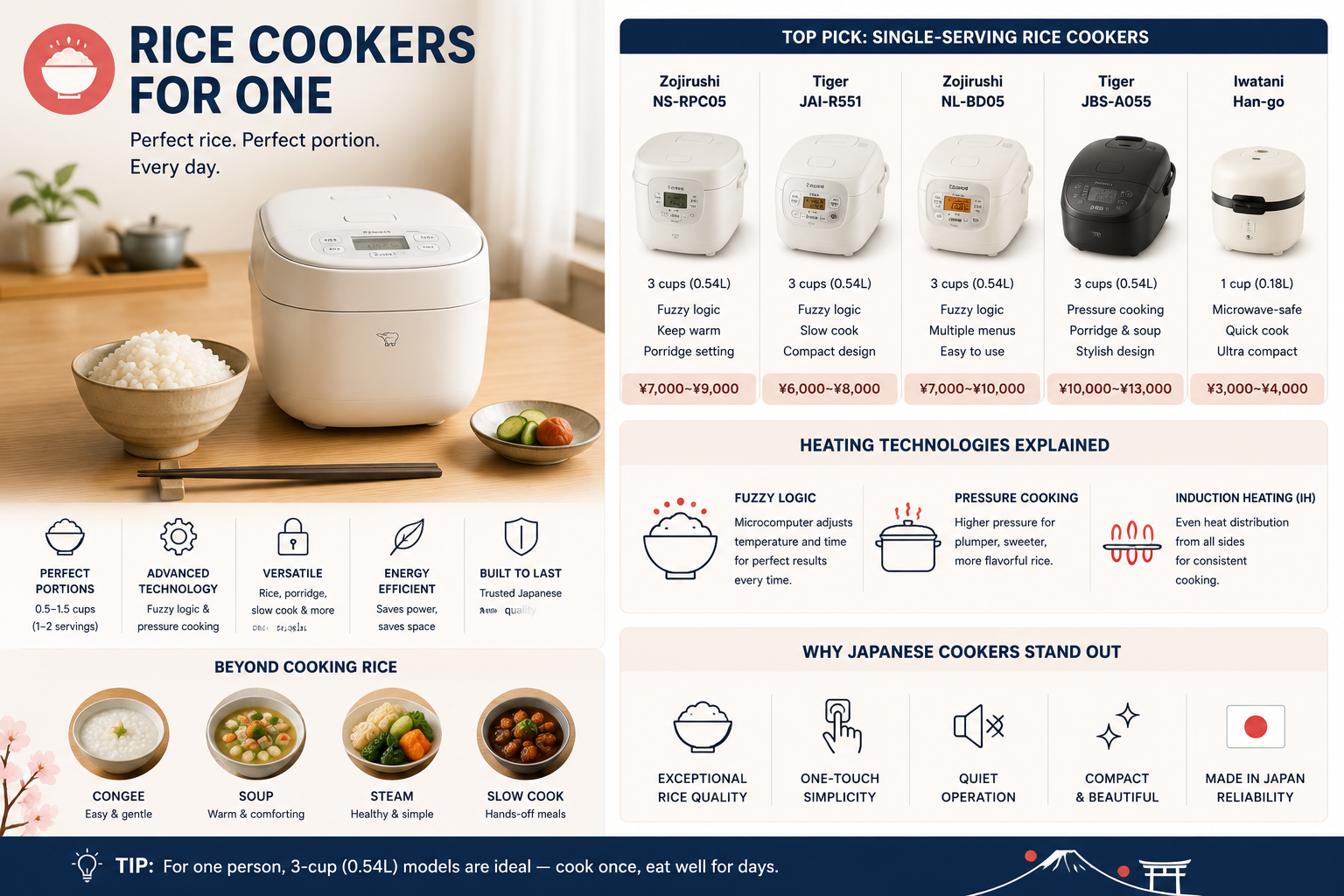
- Best Overall: Zojirushi NS-ZCC10
- Best Value: Zojirushi NP-HCC10XH
- Best Premium: Tiger JBV-A10U
- Best Budget: Panasonic SR-DF181
- Best for Beginners: Zojirushi NP-NVC10
Living alone in Japan—or anywhere else—means rethinking your approach to everyday tasks. Cooking rice, a cornerstone of Japanese cuisine, becomes both simpler and more meaningful when you have the right tool. A single-portion rice cooker isn’t just a convenience; it’s a gateway to understanding how Japanese households prioritise quality, efficiency, and mindfulness in the kitchen. Whether you’re an expat settling into Tokyo or simply someone who loves Japanese culture, finding the best rice cooker for one person can transform your daily meals from rushed to ritualistic.
Quick Summary
- Japanese rice cookers for one person combine precision engineering with compact design
- Top models range from ¥3,000 to ¥15,000, offering various heating technologies
- Fuzzy logic and pressure cooking ensure perfectly textured rice every time
- Many models include porridge and slow-cook settings beyond basic rice
- Brands like Zojirushi and Tiger lead the market with proven reliability
🛒 Shop Recommended Products
Quick Comparison Table
| Model | Capacity | Key Feature | Price Range |
|---|---|---|---|
| Zojirushi NS-LGC05 | 0.54L | Micro-computerised heating | ¥8,000–¥10,000 |
| Tiger JAI-R551 | 0.54L | One-touch operation | ¥7,000–¥9,000 |
| Panasonic SR-KT065 | 0.54L | Quick-cook setting | ¥6,500–¥8,500 |
| Cuckoo CRP-G1030FP | 1.0L | Pressure cooking | ¥12,000–¥15,000 |
| MUJI Compact Cooker | 0.5L | Minimal design | ¥4,990 |
Why Japanese Products Stand Out
Japanese manufacturers approach rice cookers with the same reverence craftspeople once reserved for swords. Every element—from heating plate material to sensor placement—reflects decades of refinement. The philosophy stems from monozukuri, the art of making things well, which values durability and precision over flashy features.
Japanese brands invest heavily in temperature regulation and moisture detection. Fuzzy logic technology, pioneered by Zojirushi in the 1980s, learns from each cycle and adjusts heating patterns automatically. This isn’t marketing hyperbole; it’s engineering that produces genuinely superior results. Meanwhile, companies like Panasonic and Tiger continually innovate pressure-cooking mechanisms that reduce cooking time without sacrificing texture.
What’s equally important is the cultural understanding these manufacturers possess. They know Japanese rice varieties, water chemistry across different regions, and cooking preferences that have evolved over centuries. When you buy Japanese, you’re not just getting a machine—you’re inheriting accumulated knowledge about rice itself.
Top Picks — Detailed Reviews
Zojirushi NS-LGC05: The Premium Choice
The Zojirushi NS-LGC05 remains the gold standard for single-portion cooking. Its 0.54-litre capacity (roughly two bowls) suits solo living perfectly. The micro-computerised heating system adjusts temperature in real time, preventing both mushy and undercooked rice. Its stainless steel inner pot distributes heat evenly, whilst the keep-warm function maintains quality for up to 12 hours.
What sets this model apart is its intuitive design. The control panel features just three buttons: water level, cook setting, and power. Unlike cluttered Western appliances, it embraces Japanese minimalism. You’ll find settings for white rice, mixed grains, and porridge. The model costs around ¥8,000–¥10,000 in Tokyo electronics shops, representing genuine value for daily use.
Tiger JAI-R551: Best for Speed
Tiger’s JAI-R551 delivers excellent rice in just 45 minutes—ideal when hunger doesn’t wait. Its one-touch operation appeals to busy professionals and students. The non-stick interior coating prevents sticking and simplifies cleaning, a practical consideration when you’re cooking alone and washing up immediately afterwards.
This cooker excels at versatility. Beyond rice, it handles porridge, steamed vegetables, and slow-cooked dishes. At ¥7,000–¥9,000, it undercuts premium competitors whilst maintaining the reliability Japanese consumers demand. Many expats in Osaka and Kyoto favour this model for its straightforward interface and compact footprint on crowded kitchen counters.
Cuckoo CRP-G1030FP: Innovation Leader
South Korean brand Cuckoo, popular throughout Asia, brings pressure-cooking technology that fascinates Japanese minimalists. This model cooks rice in just 23 minutes through intelligent steam control. The 1.0-litre capacity suits those who meal-prep or occasionally cook for guests.
Pressure cookers carry cultural cachet in Japan’s wellness communities. The technique preserves nutrients and creates a distinctive texture prized by health-conscious consumers. At ¥12,000–¥15,000, it’s an investment, but productivity gains and superior results justify the cost for serious enthusiasts.
MUJI Compact Cooker: Budget-Friendly Minimalism
MUJI’s philosophy aligns perfectly with Japanese design principles: remove everything unnecessary, keep what matters. Their compact cooker costs just ¥4,990—remarkable value. It holds 0.5 litres and handles basic white rice competently, though it lacks advanced features like fuzzy logic.
This model suits temporary residents, students, or anyone hesitant to invest heavily. Available in MUJI stores nationwide and online, it’s genuinely accessible. The bare-bones approach appeals to people who view rice cooking as a simple task rather than an experience worth optimising.
What Japanese Buyers Look For
Japanese consumers evaluating rice cookers prioritise reliability, energy efficiency, and design coherence. They read detailed reviews in publications like Kakaku.com and Amazon Japan, comparing energy consumption (measured in watt-hours per cycle) as seriously as Westerners might compare horsepower.
Durability matters enormously. A cooker expected to run daily for 10+ years must justify its place on the kitchen counter. Japanese buyers also value aesthetic integration—the cooker should complement, not dominate, their kitchen environment. Colour options (often black, silver, or cream) reflect this conservative approach.
Noise levels attract surprising attention. Some models produce a whistling sound or clicking during operation. In compact Tokyo apartments where kitchen and bedroom share walls, quiet operation genuinely enhances quality of life. Brands address this by using advanced pressure-release mechanisms and sound-dampening materials.
Buying Guide
Assess your actual needs. How many people eat rice daily? Single-person cookers (0.5–0.54 litres) suit solo living; slightly larger models (0.75–1.0 litre) work if you occasionally entertain or meal-prep.
Prioritise heating technology. Micro-computerised systems (Zojirushi, Panasonic) suit daily users valuing consistency. Pressure cookers (Cuckoo) appeal to speed enthusiasts. Budget models work fine for basic rice but lack refinement.
Check energy costs. Rice cookers typically consume 250–400 watt-hours per cycle. Japanese electricity costs roughly ¥27 per kilowatt-hour, so a 300-watt-hour cycle costs about ¥8. Over months, efficiency compounds.
Consider your rice type. Short-grain Japonica rice (standard in Japan) behaves differently from long-grain varieties. Most Japanese cookers optimise for Japonica; if you cook other varieties, verify the manufacturer addresses this.
Think about longevity. Premium brands charge more upfront but offer superior parts availability and a reputation for lasting 15+ years. Budget models might fail within five years, ultimately costing more.
FAQ
Can I cook rice from other countries in a Japanese cooker? Yes, though results vary. Most models have settings for brown rice and mixed grains, but basmati or jasmine rice may require water adjustment. Japanese cookers assume Japonica rice as default.
Are Japanese cookers worth importing? If you live overseas, possibly. Voltage compatibility matters—most Japanese models run on 100V, whilst many countries use 220–240V. Check before purchasing.
How long do rice cookers last? Quality Japanese models often function for 10–15 years with minimal maintenance. Budget models average 5–7 years. Regular cleaning extends lifespan considerably.
What’s the difference between fuzzy logic and pressure cooking? Fuzzy logic adjusts heating gradually based on sensors, excelling at texture consistency. Pressure cooking uses steam pressure to reduce cooking time significantly. Both produce excellent rice; choose based on priorities (consistency vs. speed).
Can I cook other foods besides rice? Absolutely. Most models include porridge, mixed grain, steamed vegetable, and slow-cook settings. Some enthusiasts prepare entire meals—meat, vegetables, rice—in
Is it worth buying Japanese products over cheaper alternatives?
For most use cases, yes — if you plan to use the product daily or for many years. Japanese products tend to have a longer useful lifespan, which often makes the total cost of ownership lower than a cheaper alternative replaced every 2–3 years. That said, always match the product to your actual needs.
How long do Japanese products typically last?
With proper care, quality Japanese products are designed for 10 years or more of daily use. This is not incidental — it reflects what Japanese domestic consumers expect.
Where can I buy authentic Japanese products online?
The safest options are Amazon (from the brand’s official store or well-reviewed sellers), direct brand websites, or authorised international retailers. Avoid unverified marketplace listings for high-value items.
Quick Comparison
| Product | Best For | Key Features | Pros | Cons | Recommended For | Buy |
|---|---|---|---|---|---|---|
| Zojirushi NS-ZCC10 | Best Overall | Neuro Fuzzy logic technology · Multiple cooking menus | Consistent results | Not induction heating | Families who want reliable, consistently great ric | → Buy |
| Zojirushi NP-HCC10XH | Best Value | Induction heating · Neuro Fuzzy logic | Even heat distribution | Higher price point | Rice lovers who want noticeably better texture and | → Buy |
| Tiger JBV-A10U | Best Premium | Tacook sync-cooking plate · Micom control | Cook two things at once | Tacook plate limits some cooking styles | Busy households who want to cook a complete meal i | → Buy |
| Panasonic SR-DF181 | Best Budget | Induction heating · 5-layer inner pot | Reliable brand | Fewer specialty menus than Zojirushi | People who want an IH rice cooker from a trusted e | → Buy |
| Zojirushi NP-NVC10 | Best for Beginners | Pressure IH heating · Platinum Fuzzy logic | Outstanding rice flavour | Premium price | Rice enthusiasts who want the best possible flavou | → Buy |
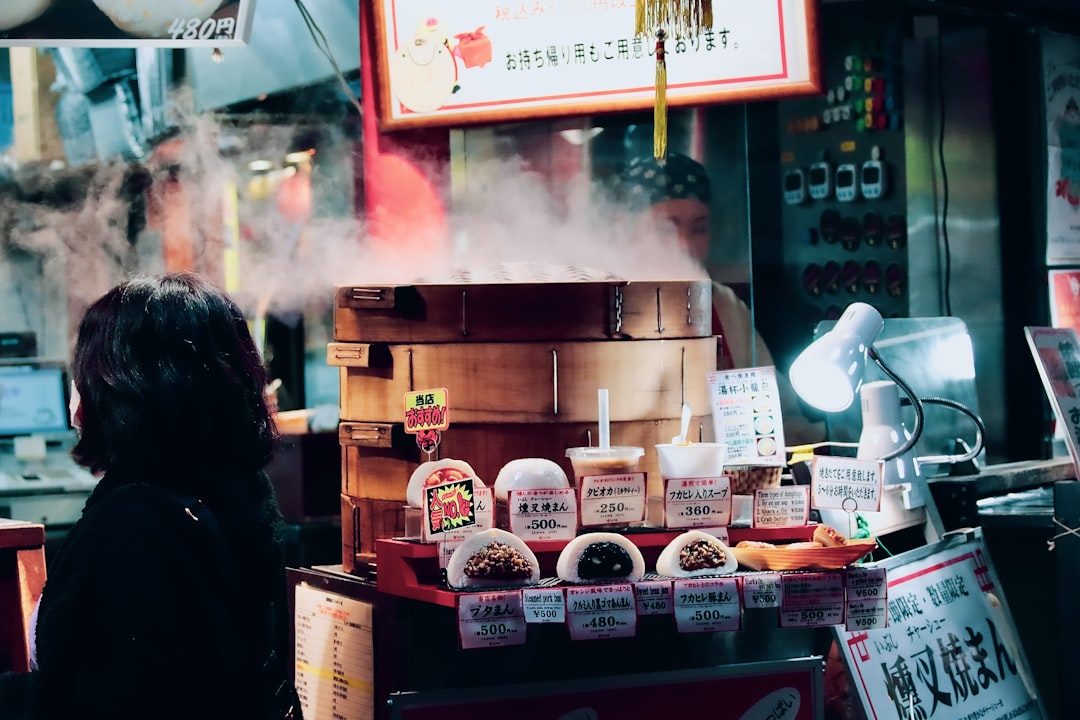
Seen in Everyday Life in Tokyo
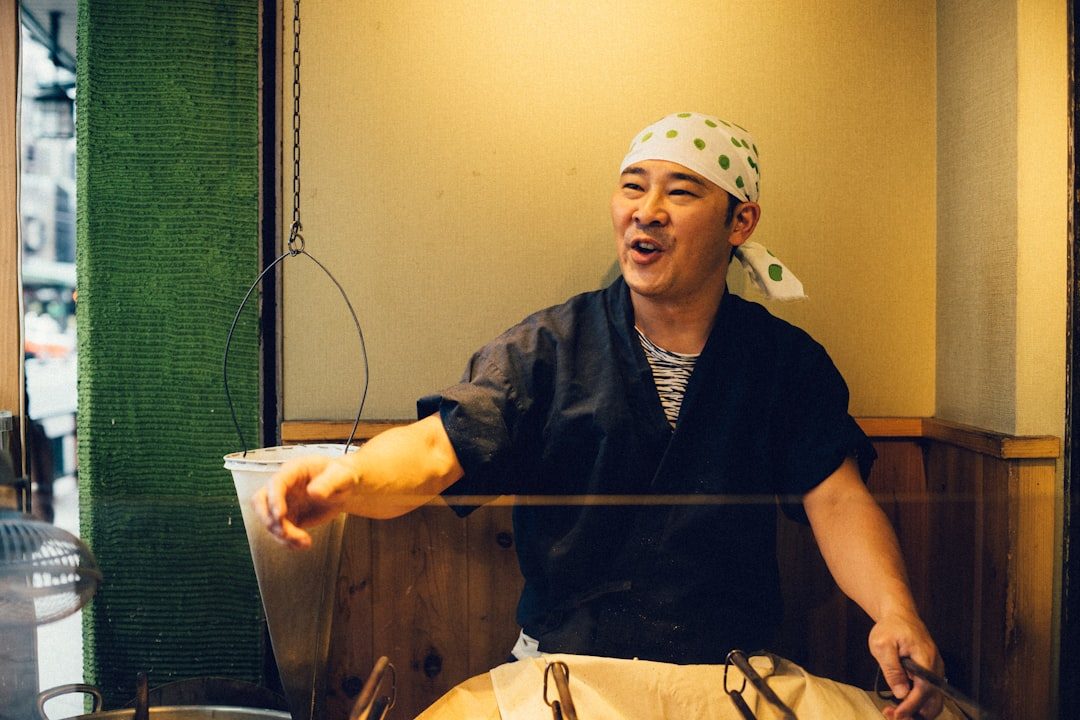
A Real-Life Note from Japan
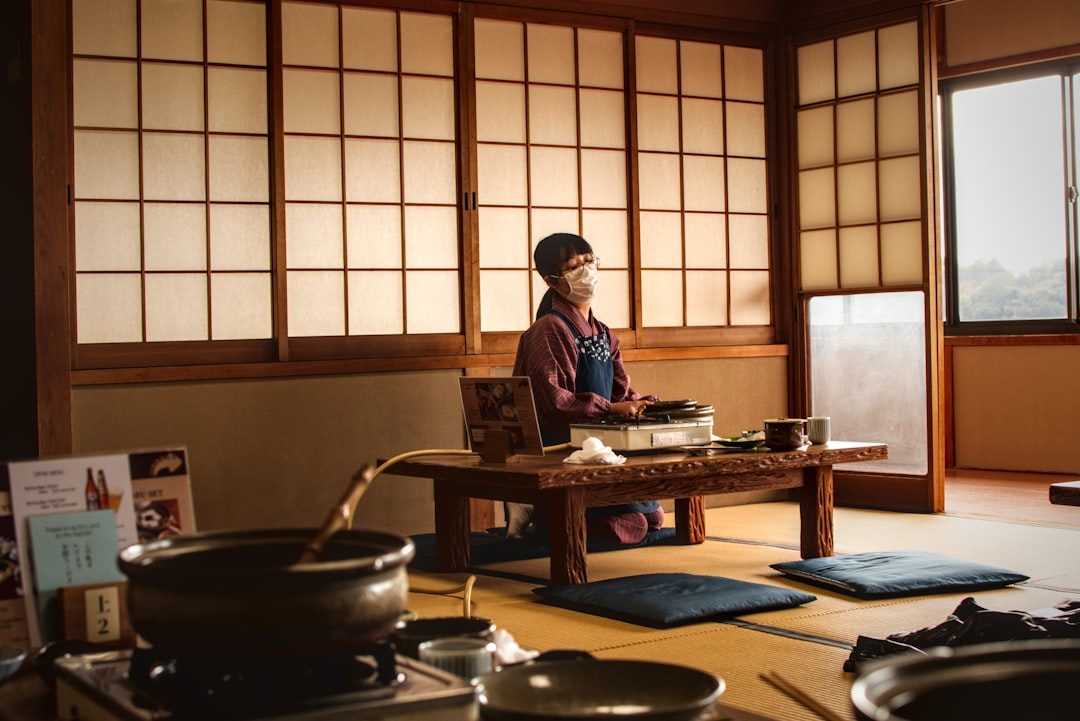
What I Often See in Japanese Stores
Recommended Japanese Products
The products below are directly relevant to this article and used by Japanese families.
| Product | Brand | Best For | Link |
|---|---|---|---|
| Zojirushi NS-ZCC10 | Zojirushi | Families who want reliable, consistently great rice without spending on IH | Zojirushi NS-ZCC10 |
| Zojirushi NP-HCC10XH | Zojirushi | Rice lovers who want noticeably better texture and are willing to invest more | Zojirushi NP-HCC10XH |
| Tiger JBV-A10U | Tiger | Busy households who want to cook a complete meal in one appliance | Tiger JBV-A10U |
| Panasonic SR-DF181 | Panasonic | People who want an IH rice cooker from a trusted electronics brand | Panasonic SR-DF181 |
| Zojirushi NP-NVC10 | Zojirushi | Rice enthusiasts who want the best possible flavour and are willing to pay for it | Zojirushi NP-NVC10 |
Zojirushi NS-ZCC10
A beloved micom rice cooker with Neuro Fuzzy logic for consistently fluffy rice.
Best for: Families who want reliable, consistently great rice without spending on IH
🛒 Zojirushi NS-ZCC10 on Amazon
Zojirushi NP-HCC10XH
Step up to induction heating for more even heat distribution and superior rice texture.
Best for: Rice lovers who want noticeably better texture and are willing to invest more
🛒 Zojirushi NP-HCC10XH on Amazon
Tiger JBV-A10U
Cook rice and a side dish simultaneously with Tiger’s clever Tacook sync-cooking plate.
Best for: Busy households who want to cook a complete meal in one appliance
Panasonic SR-DF181
Panasonic’s reliable IH rice cooker with a thick inner pot for steady, even cooking.
Best for: People who want an IH rice cooker from a trusted electronics brand
🛒 Panasonic SR-DF181 on Amazon
Zojirushi NP-NVC10
Pressure IH cooking unlocks the deepest umami flavour and a glossy, restaurant-quality finish.
Best for: Rice enthusiasts who want the best possible flavour and are willing to pay for it
🛒 Zojirushi NP-NVC10 on Amazon
More From Japanese Best
Disclosure: As an Amazon Associate, Japanese Best earns from qualifying purchases. This does not affect our recommendations. We only feature products we genuinely believe are worth your consideration.
Editorial Disclaimer
The views, opinions, and recommendations in this article are the author’s own and reflect personal experience living in Japan. They do not constitute professional, financial, or purchasing advice of any kind.
Product availability, pricing, and specifications are subject to change without notice. Japanese Best makes no warranties — express or implied — regarding the accuracy or completeness of this content, and accepts no liability for any decisions made based on it. Always verify details directly with the retailer or manufacturer before purchasing.
コメント