Japanese Coffee Culture Explained (2026)
June 28, 2026 | Hobbies | Japanese Best
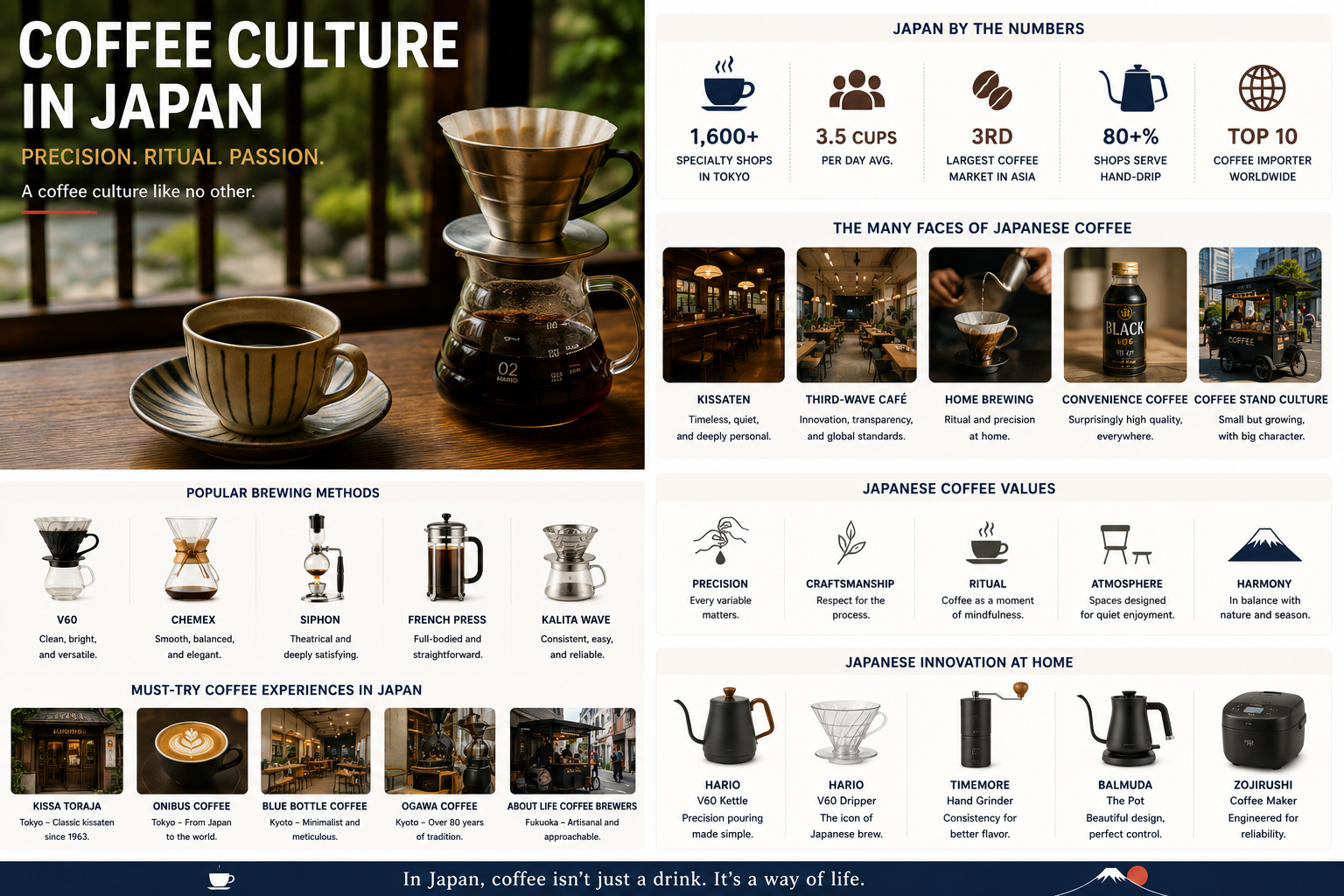
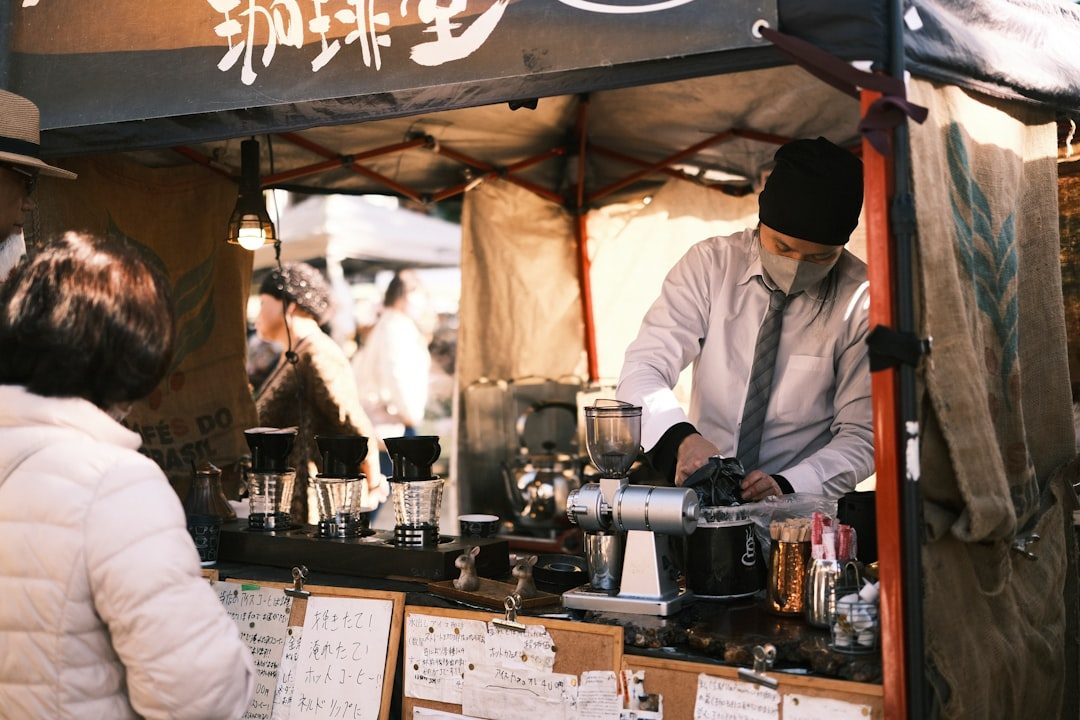
Japan’s coffee culture rivals that of any European café society, yet it remains distinctly Japanese—methodical, refined, and deeply personal. Walk through Tokyo’s neighbourhoods and you’ll find everything from standing kissaten (traditional coffee shops) where the same customers have ordered the same brew for decades, to cutting-edge third-wave coffee roasteries where every variable is measured and discussed with scientific precision. Coffee isn’t merely a caffeine delivery system here; it’s a ritual, a craft, and a cornerstone of Japanese leisure culture that deserves serious attention.
Quick Summary
- Coffee consumption in Japan ranks among the world’s highest, with 1,600+ specialty coffee shops in Tokyo alone
- Japanese coffee culture emphasises precision, craftsmanship, and ritual over speed or convenience
- Hand-drip (pour-over) methods like the V60 and Chemex remain deeply popular across all demographics
- Traditional kissaten represent a uniquely Japanese approach to café culture, offering minimal menus and meditative atmospheres
- Coffee appreciation extends into home brewing, with Japanese manufacturers leading innovation in home coffee equipment
🛒 Shop Recommended Products
How Popular Is This Hobby in Japan?
Coffee has become woven into the fabric of Japanese daily life in remarkable ways. Japan consumes approximately 7 kg of coffee per capita annually—among the highest rates globally. This isn’t casual consumption; it’s deliberate engagement. Tokyo alone boasts over 1,600 specialty coffee shops, each with distinct identities and dedicated followings.
The hobby transcends age groups. University students queue for specialty café debuts; retirees maintain decades-long relationships with their neighbourhood kissaten. Coffee tourism has become genuine: enthusiasts travel to specific regions like the Kiyamachi district in Kyoto or Harajuku in Tokyo purely to visit celebrated roasteries.
What’s particularly striking is the democratisation of coffee knowledge. Whereas Western coffee culture often centred on café culture, Japanese coffee culture equally celebrates home brewing. Millions of Japanese households invest seriously in grinders, kettles, and drippers. This reflects a broader cultural tendency: the Japanese often prefer mastering skills at home rather than outsourcing them entirely.
How Japanese People Do It
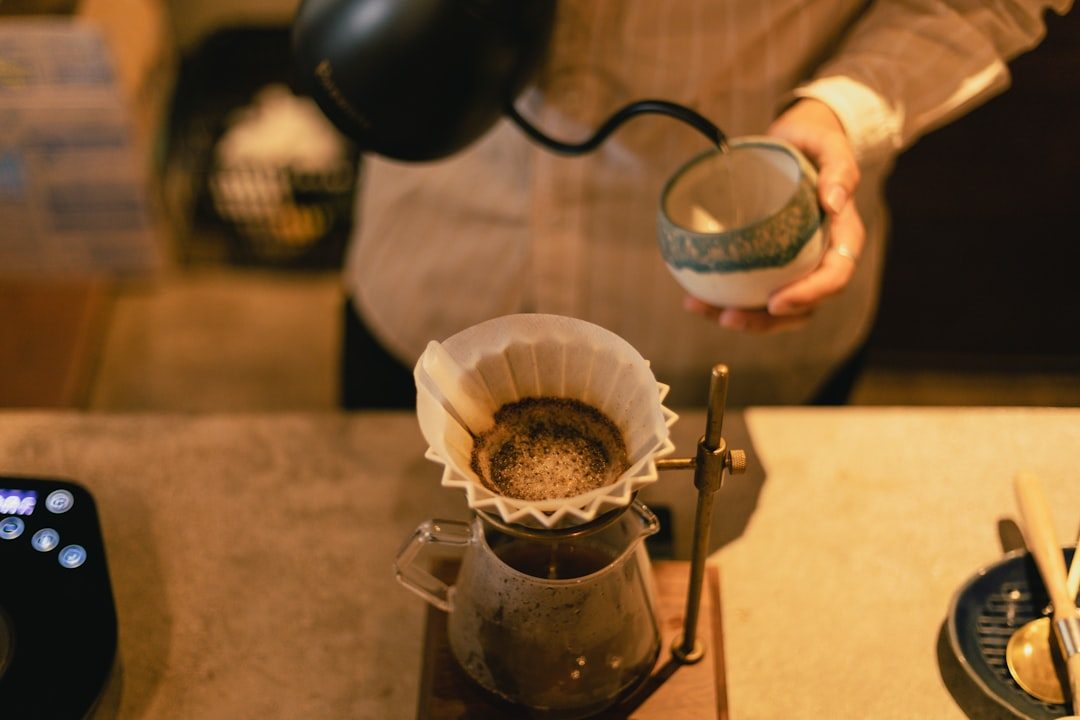
The hand-drip method dominates Japanese coffee culture. Whether using a V60, Chemex, or traditional cloth filter, precision matters tremendously. Japanese coffee enthusiasts measure water temperature (typically 85–92°C), timing (usually 2.5–4 minutes total), and bean-to-water ratios (commonly 1:16) with almost scientific rigour.
In kissaten, ritual takes centre stage. The owner often performs the brewing ceremony before you—grinding beans, heating water, pouring with deliberate movements. You’re not rushed. Some kissaten serve only five or six coffee varieties. A single cup might cost ¥600–¥1,200, and your reservation might be for precisely thirty minutes.
At home, Japanese coffee enthusiasts often invest in dedicated equipment. The Zojirushi EC-YTC100 Thermal Carafe Coffee Maker represents a popular middle ground—it brews quality drip coffee whilst maintaining heat through vacuum insulation rather than a hot plate, preserving flavour throughout the morning. For those seeking ultimate convenience without sacrifice, the Panasonic NC-ZA1 Full Auto Coffee Maker grinds fresh beans automatically, delivering espresso-style coffee beloved in Japanese offices.
Seasonality matters too. Summer brings cold brew (水出しコーヒー, mizudashi koohii), prepared overnight. Winter features hot, concentrated pours. Japanese coffee culture respects seasonal transitions rather than treating coffee as static year-round.
Community and Culture Around It
The Japanese coffee community operates through passionate networks. Online communities debate brewing variables obsessively. Instagram accounts dedicated to coffee shop aesthetics accumulate hundreds of thousands of followers. Coffee meetups occur regularly in major cities, where enthusiasts share brewing techniques and rare beans.
Professional certifications exist—the Coffee Specialist credential attracts serious hobbyists. Coffee tastings (cupping events) happen monthly in Tokyo, Osaka, and Kyoto, where participants evaluate single-origin beans with trained palates.
Kissaten owners occupy a near-reverential status. Many inherited their shops from parents or grandparents, representing coffee wisdom spanning generations. Visiting a long-established kissaten feels less like consuming a product and more like receiving an education. The owner might explain their specific beans’ origin, roast date, and optimal brewing temperature—conversation flows naturally between ritual.
Aesthetics matter enormously. The Japanese coffee community highly values equipment design, café interiors, and presentation. This reflects broader Japanese design philosophy: form and function merge seamlessly. A beautiful dripper isn’t merely decorative—it enables better technique.
Related Japanese Products
Beyond the equipment mentioned, Japanese manufacturers have pioneered coffee accessories. Hario (a glassware company) invented the V60 dripper, revolutionising global pour-over culture. Kalita produces precision kettles and flat-bottomed filters. These aren’t luxury items—they’re affordable, accessible tools reflecting Japan’s commitment to democratising coffee craftsmanship.
Japanese coffee roasteries increasingly package beans beautifully, designed for gift-giving. Specialty shops in Shibuya and Shinjuku offer premium selections at ¥1,500–¥3,000 per 200g bag.
FAQ
Why is hand-drip coffee so popular in Japan?
Hand-drip connects to Japanese values: precision, mindfulness, and respecting the craft. It’s meditative rather than rushed.
What’s the difference between kissaten and modern coffee shops?
Kissaten prioritises tradition, minimal menus, and long-term relationships with customers. Modern cafés emphasise variety, aesthetics, and social media appeal.
How much does specialty coffee cost in Japan?
Single cups range from ¥600–¥1,500 depending on location and rarity. Specialty beans cost ¥1,500–¥3,500 per 200g.
Can I find good coffee outside major cities?
Yes, but selection varies. Even small towns typically have at least one quality café, though Tokyo and Kyoto offer vastly more options.
Japanese coffee culture represents something increasingly rare globally: a hobby that values patience, skill development, and ritual over convenience. Whether visiting a centuries-old kissaten or experimenting with hand-drip at home, engaging with Japanese coffee means joining a community that treats everyday moments with genuine intentionality.
Seen in Everyday Life in Tokyo
A Real-Life Note from Japan
What I Often See in Japanese Stores
Is it worth buying Japanese hobbies over cheaper alternatives?
For most use cases, yes — if you plan to use the product daily or for many years. Japanese hobbies tend to have a longer useful lifespan, which often makes the total cost of ownership lower than a cheaper alternative replaced every 2–3 years. That said, always match the product to your actual needs.
How long do Japanese hobbies typically last?
With proper care, quality Japanese hobbies are designed for 10 years or more of daily use. This is not incidental — it reflects what Japanese domestic consumers expect.
Where can I buy authentic Japanese hobbies online?
The safest options are Amazon (from the brand’s official store or well-reviewed sellers), direct brand websites, or authorised international retailers. Avoid unverified marketplace listings for high-value items.
Related Japanese Products
The products below came up naturally in the context of this article. We only recommend items that genuinely connect to the topic.
| Product | Brand | Best For | Amazon |
|---|---|---|---|
| Panasonic NC-ZA1 Full Auto Coffee Maker | Panasonic | Coffee lovers who want fresh-ground espresso-style coffee with minimal effort | Search on Amazon |
| Zojirushi EC-YTC100 Thermal Carafe Coffee Maker | Zojirushi | Households who brew large batches and want consistently hot, fresh-tasting coffee | Search on Amazon |
Panasonic NC-ZA1 Full Auto Coffee Maker
Panasonic’s premium bean-to-cup machine grinds fresh beans for every cup — popular in Japanese offices.
Best for: Coffee lovers who want fresh-ground espresso-style coffee with minimal effort
Zojirushi EC-YTC100 Thermal Carafe Coffee Maker
Zojirushi’s drip coffee maker with a vacuum-insulated carafe that keeps coffee hot for hours without a hot plate.
Best for: Households who brew large batches and want consistently hot, fresh-tasting coffee
More From Japanese Best
Disclosure: As an Amazon Associate, Japanese Best earns from qualifying purchases. This does not affect our recommendations. We only feature products we genuinely believe are worth your consideration.
Editorial Disclaimer
The views, opinions, and recommendations in this article are the author’s own and reflect personal experience living in Japan. They do not constitute professional, financial, or purchasing advice of any kind.
Product availability, pricing, and specifications are subject to change without notice. Japanese Best makes no warranties — express or implied — regarding the accuracy or completeness of this content, and accepts no liability for any decisions made based on it. Always verify details directly with the retailer or manufacturer before purchasing.
コメント