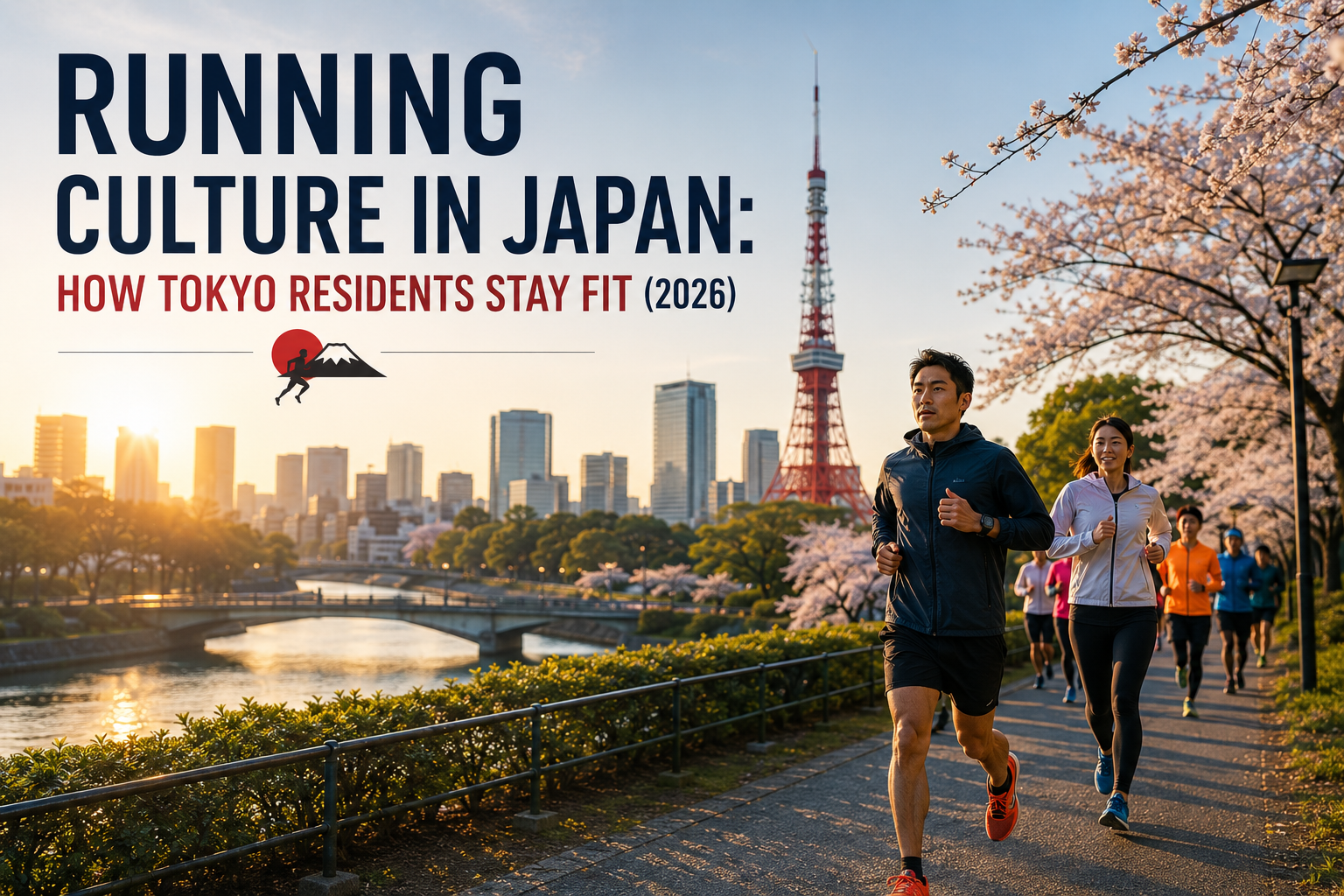
Running Culture in Japan: How Tokyo Residents Stay Fit (2026)
June 28, 2026 | Hobbies | Japanese Best
On a crisp morning in Yoyogi Park, hundreds of runners move through the tree-lined pathways like a gentle tide. Some are training for marathons; others simply cherish these quiet moments before the city fully wakes. Running in Japan isn’t just exercise—it’s woven into the fabric of daily life, combining discipline, community, and a deep respect for personal wellness. For Tokyo residents and Japanese people across the country, jogging represents far more than fitness; it’s a meditative practice that mirrors the values of precision, consistency, and harmony that define Japanese culture itself.
Quick Summary
- Running is deeply embedded in Japanese culture, with over 1 million participants in organised races annually
- Japanese runners emphasise etiquette, consistency, and group participation over competitive speed
- Major events like the Tokyo Marathon and Hakone Ekiden relay race attract global attention and inspire millions
- Japanese running culture blends individual discipline with strong community bonds
- Dedicated running clubs and parks make jogging accessible and social across Tokyo and beyond
How Popular Is This Hobby in Japan?
Running ranks among Japan’s most beloved recreational activities. The Tokyo Marathon, held each February, draws roughly 300,000 applicants for just 38,000 spots—a lottery so competitive that winning feels like striking gold. Beyond marathons, the Hakone Ekiden relay race, held annually on 2 and 3 January since 1920, captivates the nation; university students train relentlessly for months, and millions watch live broadcasts as if it were the World Cup.
Participation figures tell a compelling story. An estimated 1.2 million Japanese people take part in organised running events each year, with casual jogging even more widespread. Running clubs proliferate across Tokyo, from competitive groups meeting at parks like Yoyogi and Ueno to casual neighbourhood jogging circles with as few as five members. Professional marathons aren’t merely sporting events—they’re cultural phenomena that spark national conversation about health, ambition, and perseverance.
How Japanese People Do It
Japanese runners approach the sport with characteristic precision. Morning runs dominate; many Tokyo residents wake at 5 or 6 a.m., slip into their kit, and pound the pavement or park trails before work. This pre-dawn discipline reflects the Japanese concept of “yoiwake”—the virtuous early morning—and connects to broader cultural values around self-improvement and starting the day with intention.
Route planning is meticulous. Yoyogi Park, Tokyo’s most popular running destination, offers well-maintained 1.2-kilometre and 2.5-kilometre loops with distance markers every 100 metres. The Tamagawa Canal and Imperial Palace East Gardens provide alternatives, each beloved by specific running communities. Many runners track metrics obsessively using apps like Strava, recording not just distance and pace, but elevation and even cadence.
Running attire reflects this attention to detail. Japanese runners invest in quality gear—technical fabrics from brands like Asics and Mizuno, which originated in Japan—and many wear bright colours or reflective jackets, even on well-lit urban routes. This isn’t vanity; it reflects the cultural respect for proper form and presentation in all activities.
Community and Culture Around It
The social dimension of Japanese running cannot be overstated. Running clubs form the backbone of the hobby; Tokyo hosts hundreds of groups organised by neighbourhood, pace level, and even shared interests. Some clubs meet three times weekly, others monthly, but all emphasise camaraderie and mutual encouragement rather than competitive hierarchy.
The ritual of post-run gatherings strengthens bonds further. After a group run, members often visit a local café or restaurant, transforming the physical activity into a social occasion. This reflects “wa”—the Japanese emphasis on group harmony—and ensures running remains a shared experience rather than isolated exercise.
Major races embody this community spirit. The Tokyo Marathon isn’t just competitive; it’s celebratory. Spectators line the route with signs, families cheer, and volunteers offer water and encouragement. Entry fees (around ¥10,000 for residents, ¥12,000 for non-residents) fund grassroots running initiatives and accessibility programmes. Universities, particularly for the Hakone Ekiden, treat runners as heroes; their training journeys are documented in newspapers and televised specials.
Running events also intersect with Japanese seasons and aesthetics. Spring marathon season coincides with cherry blossoms; autumn races capture the year’s most beautiful weather. This attunement to seasonal rhythms connects running to deeper Japanese philosophies about living in harmony with nature.
Related Japanese Products
For daily runners, a reliable water bottle becomes essential gear. The Tiger MMZ-A502 Stainless Bottle, with its wide-mouth design, makes it easy to add ice and clean thoroughly—practical features that active Tokyo runners appreciate, whether training along the Tamagawa Canal or heading to a weekend group run.
FAQ
Q: Do I need to join a running club to enjoy jogging in Japan?
No. Many Japanese runners are solitary early-morning joggers. However, clubs offer structure, motivation, and friendships.
Q: What’s the best time of year to run in Tokyo?
Autumn (September–November) and spring (March–May) offer the most pleasant temperatures. Summer can be oppressively humid; winter, whilst mild by global standards, means dark mornings.
Q: How do I enter the Tokyo Marathon?
Entry is by lottery through the official website. Residents have a separate, slightly higher-odds lottery than tourists.
Q: Are there beginner-friendly running groups in Tokyo?
Yes—parks like Yoyogi host informal groups welcoming all paces. Local community centres (“kominkan”) often advertise neighbourhood jogging circles.
Running in Japan reveals something profound about the culture itself: a commitment to discipline tempered by community, individual excellence balanced with collective harmony. Whether you’re a Tokyo resident lacing up for a dawn patrol through Yoyogi Park or an overseas visitor curious about Japanese leisure, the running culture here offers genuine insight into how Japan pursues wellness—thoughtfully, together, and always with an eye toward self-improvement.
Seen in Everyday Life in Tokyo
A Real-Life Note from Japan
What I Often See in Japanese Stores
Is it worth buying Japanese hobbies over cheaper alternatives?
For most use cases, yes — if you plan to use the product daily or for many years. Japanese hobbies tend to have a longer useful lifespan, which often makes the total cost of ownership lower than a cheaper alternative replaced every 2–3 years. That said, always match the product to your actual needs.
How long do Japanese hobbies typically last?
With proper care, quality Japanese hobbies are designed for 10 years or more of daily use. This is not incidental — it reflects what Japanese domestic consumers expect.
Where can I buy authentic Japanese hobbies online?
The safest options are Amazon (from the brand’s official store or well-reviewed sellers), direct brand websites, or authorised international retailers. Avoid unverified marketplace listings for high-value items.
Shop Japanese Products
If you’re inspired by what Japanese families use in this area, you can find a wide range of authentic Japanese products on Amazon:
Shop Related Japanese Products on Amazon
More From Japanese Best
Disclosure: As an Amazon Associate, Japanese Best earns from qualifying purchases. This does not affect our recommendations. We only feature products we genuinely believe are worth your consideration.
Editorial Disclaimer
The views, opinions, and recommendations in this article are the author’s own and reflect personal experience living in Japan. They do not constitute professional, financial, or purchasing advice of any kind.
Product availability, pricing, and specifications are subject to change without notice. Japanese Best makes no warranties — express or implied — regarding the accuracy or completeness of this content, and accepts no liability for any decisions made based on it. Always verify details directly with the retailer or manufacturer before purchasing.
コメント