What Japanese Families Do During Golden Week
July 11, 2026 | Trends & News | Japanese Best
Golden Week—or Gōruden Wīku (ゴールデンウィーク)—is Japan’s most anticipated holiday period, spanning late April through early May. It combines four national holidays into a stretch of time when families, students, and office workers can finally step away from their routines. But what exactly do Japanese families do during this golden fortnight, and what does it reveal about how modern Japan balances work, tradition, and leisure?
Quick Summary
- Golden Week (29 April–5 May) combines four national holidays into Japan’s longest consecutive break
- Most Japanese families prioritise travel, outdoor activities, and staycations over expensive holidays
- Domestic tourism surges; popular destinations include Kyoto, Okinawa, and national parks
- Families use the time for spring cleaning, garden maintenance, and meal preparation
- This period reflects Japan’s cultural emphasis on family time, practical self-improvement, and respect for seasonal change
A Note from Tokyo: In my experience shopping at places like Yodobashi Camera and Loft in Tokyo, Japanese trends are not a luxury purchase — they’re the everyday baseline. Japanese households simply expect this level of quality, which means manufacturers have no room to cut corners.
🛒 Shop Recommended Products
The Background
Golden Week emerged in the 1950s when Japan consolidated several spring holidays—Showa Day (29 April), Constitution Memorial Day (3 May), Greenery Day (4 May), and Children’s Day (5 May)—into a continuous break. The timing is deliberate: it marks the official start of spring, the new school and fiscal year, and a moment of national reflection.
For context, Japan’s average annual leave entitlement is among the lowest in the developed world. Most full-time employees receive only 20 days annually, and many don’t use them all due to workplace culture. Golden Week is therefore sacred—one of the few guaranteed breaks when entire families can move together without guilt or lost wages. Hotels, train stations, and highways overflow; travel agencies report booking surges months in advance. Expect crowds of 5–10 million tourists crossing Japan during peak dates.
How Japanese Families Are Responding
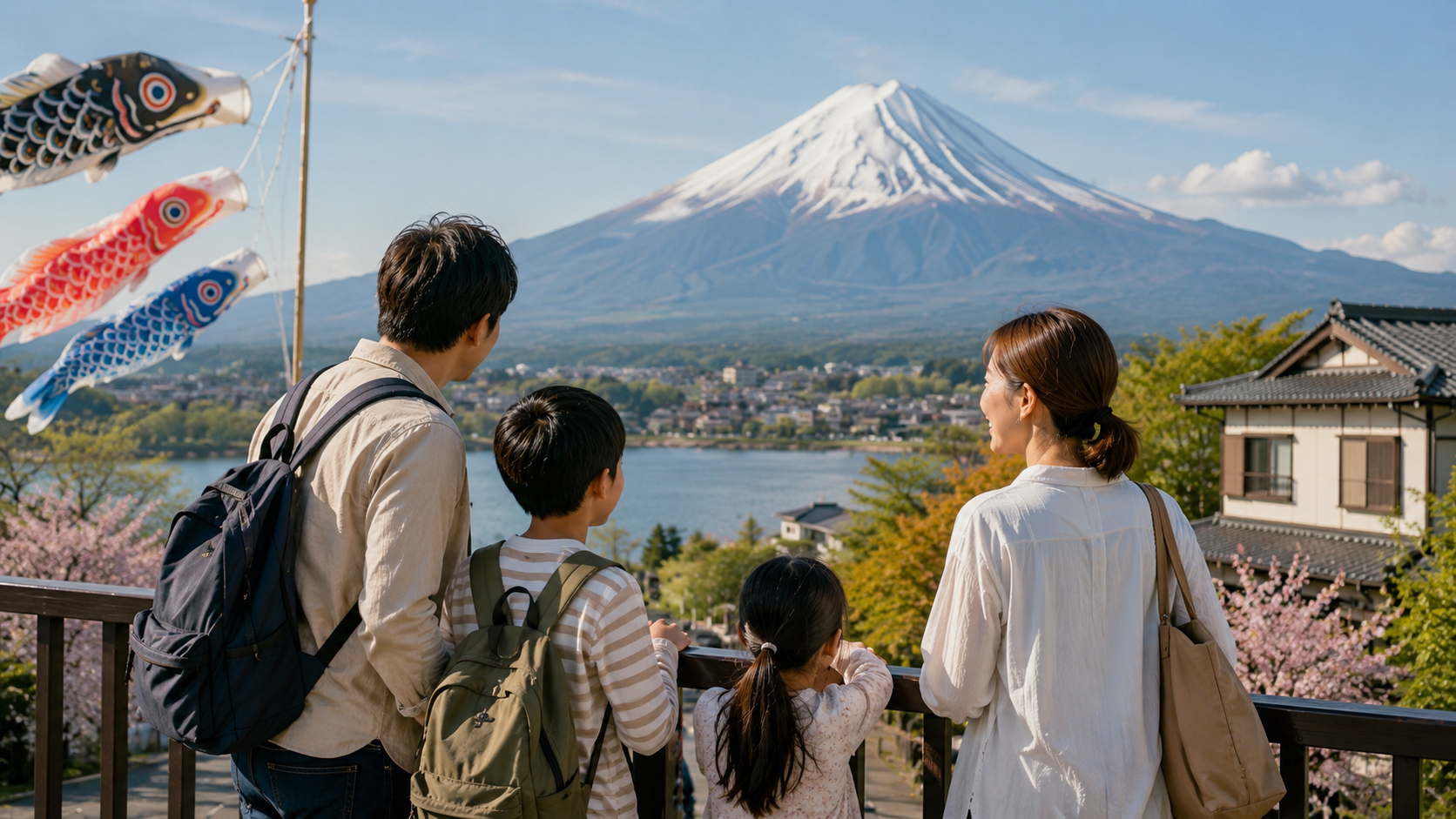
Modern Japanese families approach Golden Week strategically. Travel remains popular, but the pandemic shifted preferences: short regional trips and local exploration now rival expensive international travel. A family might take a three-day train journey to Kyoto (¥8,000–15,000 per person), visit relatives in the countryside, or book a countryside ryokan (traditional inn) in Hakone or Kawaguchiko near Mount Fuji.
Yet many families stay local. Urban households use Golden Week for seisōji (spring cleaning)—deep cleaning gardens, replacing tatami mats, and decluttering. This isn’t laziness; it’s a deliberate practice rooted in seasonal respect. Parents often plan educational activities: museum visits, hiking, or temple exploration. Children’s Day (5 May) is specifically for celebrating youth, with families preparing special meals, flying koinobori (carp-shaped windsocks), and spending time outdoors.
Meal preparation during Golden Week is also significant. Many families prepare tsukemono (pickles) and umeboshi (pickled plums) to preserve the season’s bounty for months ahead. This reflects Japan’s traditional food preservation culture and the family’s role as custodian of these skills.
What Products and Services Are Popular Because of This
Travel-related services dominate: rail companies offer limited Golden Week passes, hotels raise prices by 30–50%, and car rental agencies require bookings weeks ahead. Convenience stores and department stores stock premium bento boxes and prepared meals for travellers.
But equally important are products for staying home. Stationery sales spike—families buy planners, notebooks, and quality writing instruments to organise the year ahead or help children with summer holiday homework preparation. Erasable pens like the Pilot FriXion Clicker 0.5mm become essential for families managing schedules and children’s workbooks, where mistakes need quick correction without paper damage.
For those planning picnics, hiking, or day trips, insulated food containers become vital. The Zojirushi Stainless Lunch Jar (Bento Box) keeps homemade meals at perfect temperature for hours without needing a microwave—ideal for families spending full days exploring parks or visiting remote temples.
Office workers preparing to return after Golden Week often stock up on reliable everyday supplies. The Zebra Sarasa Clip 0.5mm, Japan’s favourite gel pen, flies off shelves as professionals refresh their desk supplies and planners with smooth, fast-drying writing tools.
What This Tells Us About Japan
Golden Week reveals Japan’s deep relationship with time, family, and seasonal awareness. Unlike Western cultures that often prioritise individual holidays, Japanese families treat Golden Week as collective time—shared obligation and shared joy. Even those who travel stay connected to home: train stations serve ekiben (station bento), families visit ancestral graves, and conversations revolve around plans made and seasons observed.
The holiday also reflects Japanese pragmatism. Rather than extravagant tourism, families pursue low-cost, meaningful activities: free temple visits, home projects that improve family wellbeing, and meal preparation that demonstrates care. This isn’t frugality from necessity; it’s a cultural value—mottainai (respect for resources) and shoganai (accepting limitations wisely).
Finally, Golden Week shows Japan’s respect for tradition within modern life. Children still learn about seasonal food preservation from parents. Office workers still send postcards to colleagues. Schools still assign shukudai (homework) to complete during the break. These aren’t outdated customs—they’re actively maintained because they anchor families to something larger than individual convenience.
Recommended Japanese Products
The products below are directly relevant to this article and used by Japanese families.
| Product | Brand | Best For | Link |
|---|---|---|---|
| Pilot FriXion Clicker 0.5mm | Pilot | Students, planners, and anyone who needs flexibility to correct mistakes | Pilot FriXion Clicker 0.5mm |
| Zebra Sarasa Clip 0.5mm | Zebra | Students and office workers who write quickly and need fast-drying ink | Zebra Sarasa Clip 0.5mm |
| Zojirushi Stainless Lunch Jar (Bento Box) | Zojirushi | Office workers and students who want hot lunches without needing a microwave | Zojirushi Stainless Lunch Jar (Bento Box) |
Pilot FriXion Clicker 0.5mm
The world’s bestselling erasable pen — writes like a smooth gel but rubs out cleanly with heat.
Best for: Students, planners, and anyone who needs flexibility to correct mistakes
🛒 Pilot FriXion Clicker 0.5mm on Amazon
Zebra Sarasa Clip 0.5mm
Japan’s favourite everyday gel pen — fast-drying, smooth, and available in gorgeous colours.
Best for: Students and office workers who write quickly and need fast-drying ink
🛒 Zebra Sarasa Clip 0.5mm on Amazon
Zojirushi Stainless Lunch Jar (Bento Box)
Japan’s most reliable insulated bento jar — keeps lunch hot for hours without a microwave.
Best for: Office workers and students who want hot lunches without needing a microwave
🛒 Zojirushi Stainless Lunch Jar (Bento Box) on Amazon
More From Japanese Best
- What Japanese Families Eat for Dinner
- What to Buy at Daiso: A Practical Guide
Disclosure: As an Amazon Associate, Japanese Best earns from qualifying purchases. This does not affect our recommendations. We only feature products we genuinely believe are worth your consideration.
Editorial Disclaimer
The views, opinions, and recommendations in this article are the author’s own and reflect personal experience living in Japan. They do not constitute professional, financial, or purchasing advice of any kind.
Product availability, pricing, and specifications are subject to change without notice. Japanese Best makes no warranties — express or implied — regarding the accuracy or completeness of this content, and accepts no liability for any decisions made based on it. Always verify details directly with the retailer or manufacturer before purchasing.
コメント