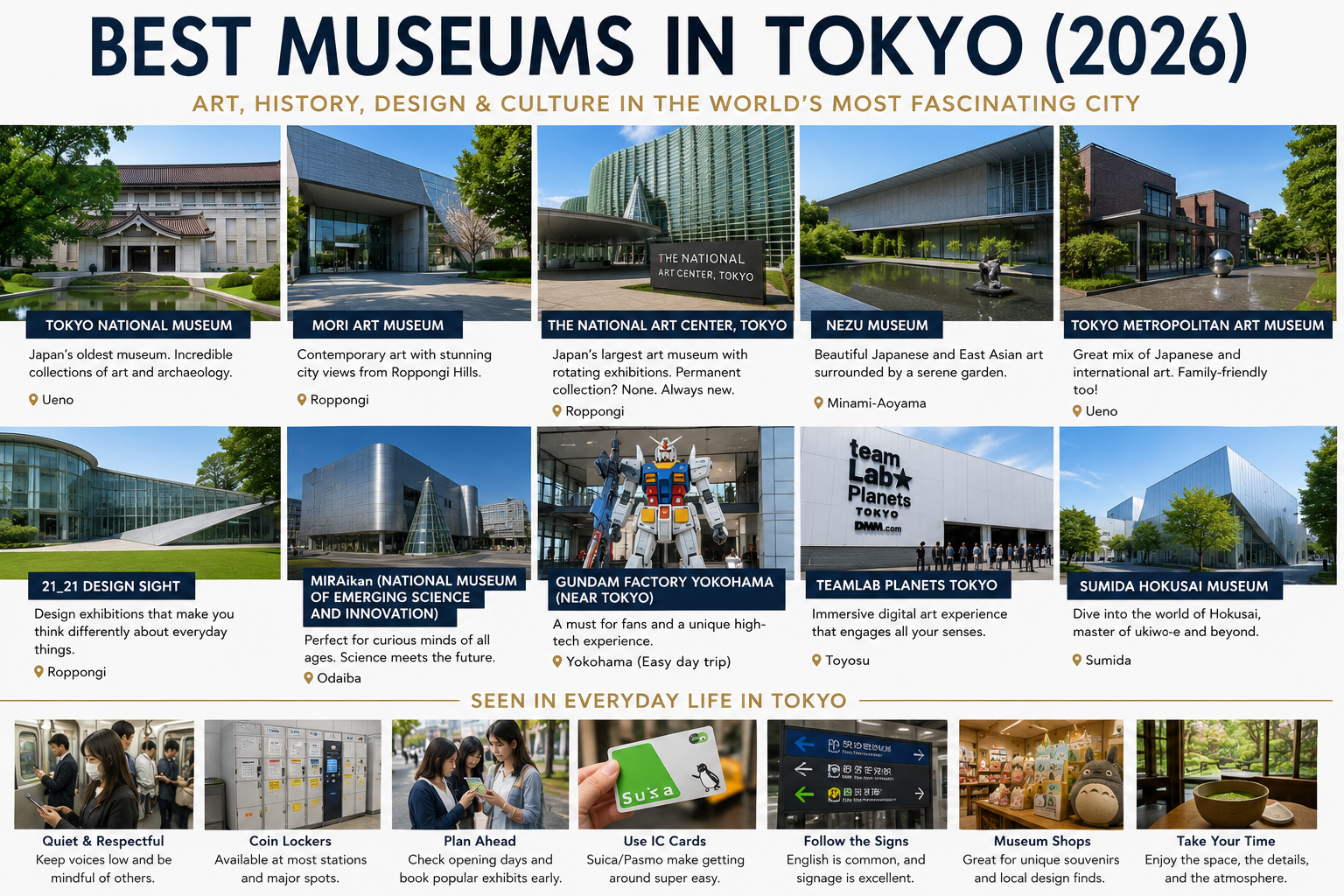
Best Museums In Tokyo (2026)
June 28, 2026 | Tokyo Life | Japanese Best
Introduction
Understanding best museums in tokyo is one of the things that distinguishes a visitor who ‘gets’ Tokyo from one who leaves puzzled. Here’s what you actually need to know.
Quick Summary
- Tokyo residents experience best museums in tokyo in a uniquely dense, convenient urban environment
- Neighbourhood-level infrastructure means most daily needs are within walking distance
- Costs vary widely — some things are cheaper than expected, others more expensive
- Orderliness and shared etiquette shape every public interaction
- New residents adapt quickly once they understand the local rhythm
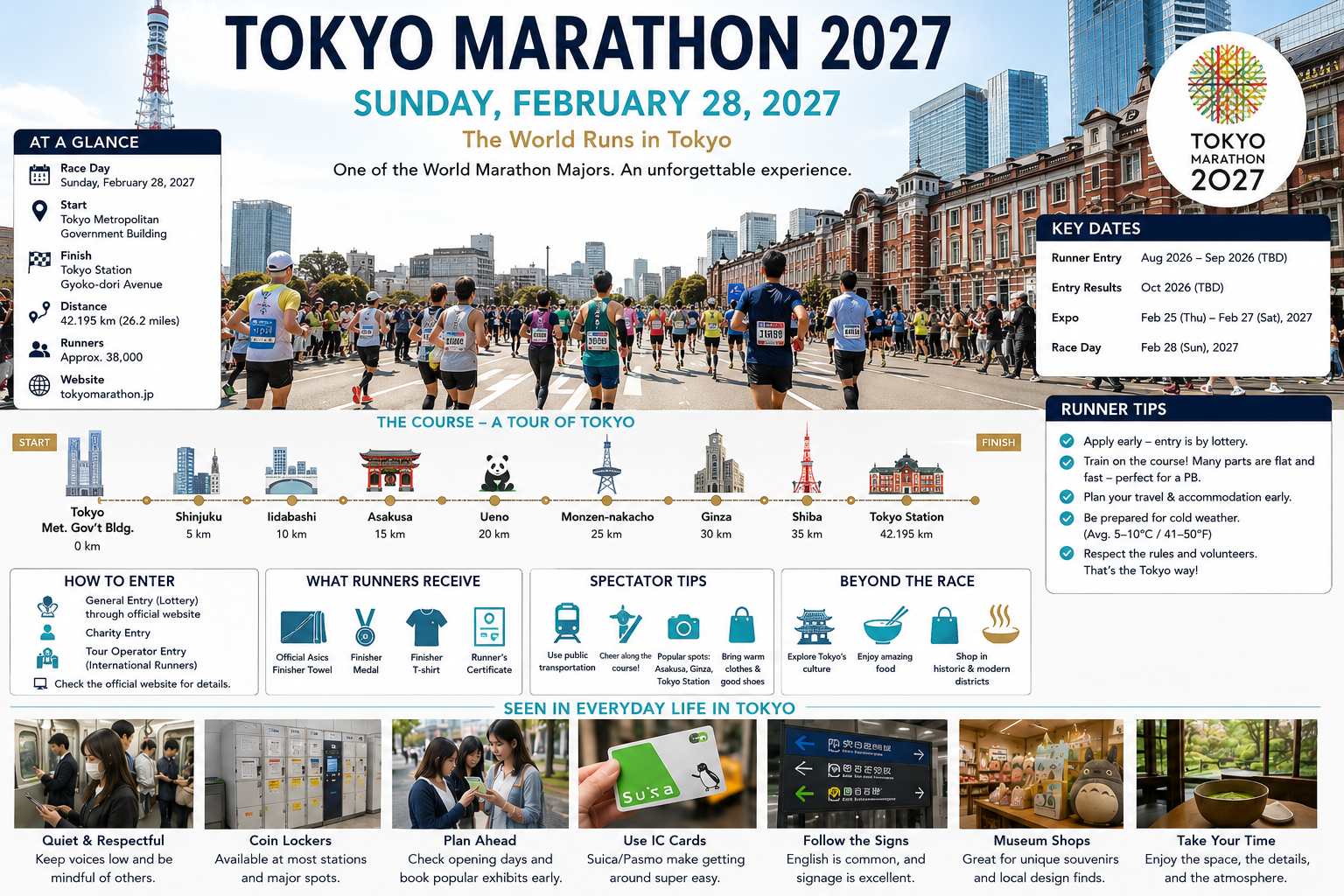
Seen in Everyday Life in Tokyo
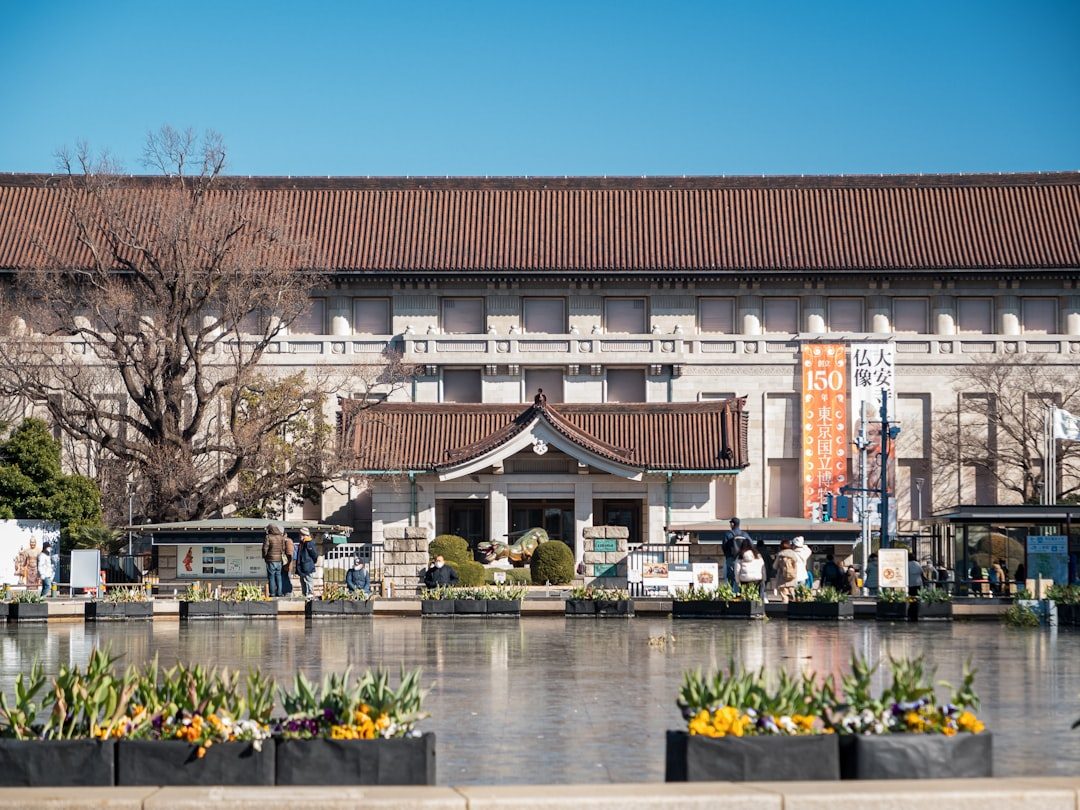
What You’ll Actually Find
Best Museums In Tokyo is one of the most common topics overseas visitors and new residents ask about — and for good reason. Tokyo daily life looks familiar from the outside but is full of details that take time to fully understand.
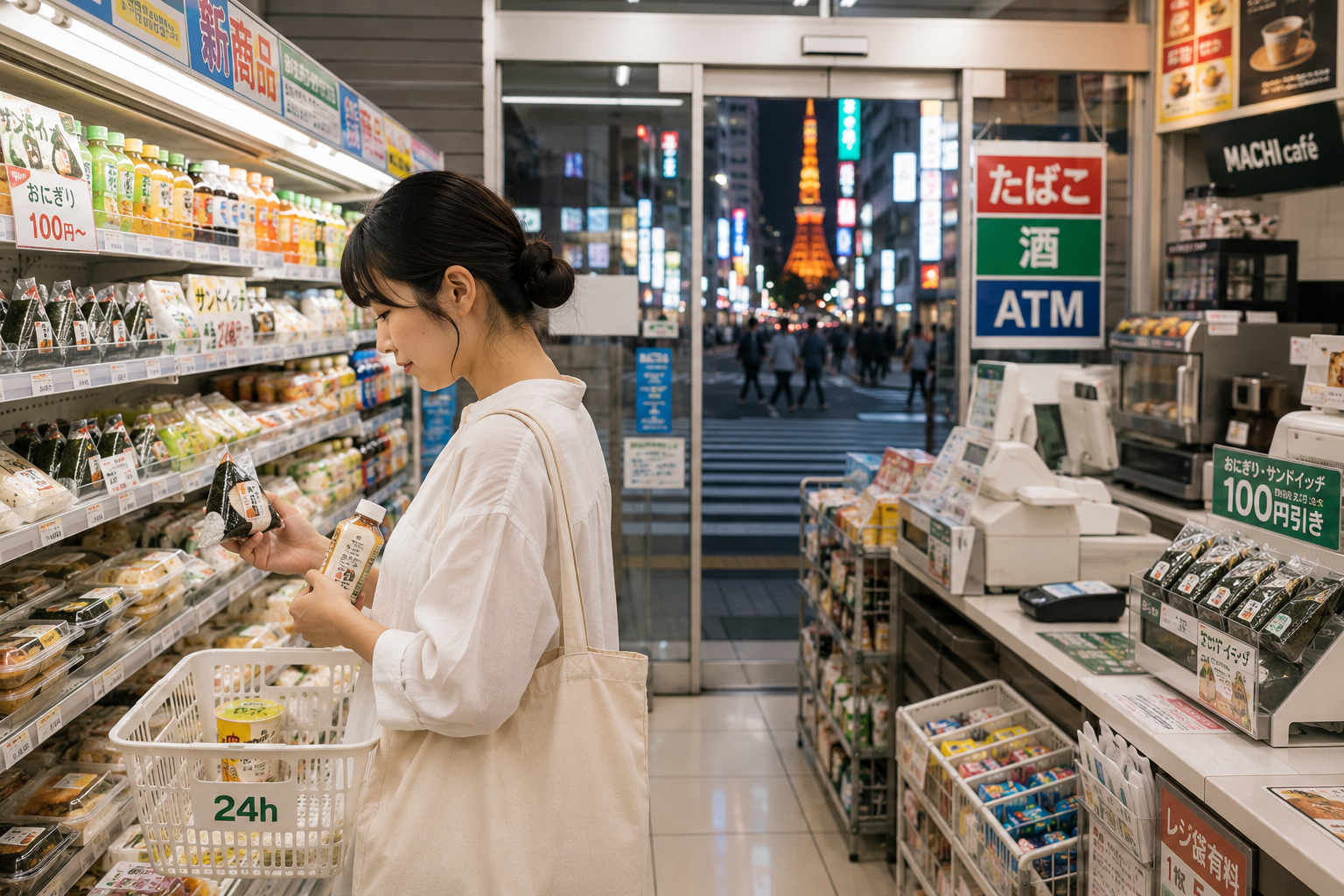
The first thing most people notice is the density of convenience. Tokyo is designed around the idea that everything you need should be within walking distance. A 7-Eleven, a pharmacy, a small supermarket, a dry cleaner — these are the building blocks of everyday Tokyo life.
The second thing people notice is the orderliness. Queues form naturally, noise is kept low in public spaces, and there’s a general sense that everyone has agreed on an unwritten set of rules.
The Details: Costs, Hours, Practical Info
For anyone planning to visit Tokyo or wondering how daily life actually works, the practical details matter.
Hours: Tokyo’s convenience stores and many pharmacies operate 24 hours. Supermarkets typically open around 9–10am and close around 9–11pm. Many smaller neighbourhood shops maintain more traditional hours.
Prices: Tokyo is often perceived as expensive, but everyday expenses — groceries, transit, eating out at local restaurants — are often surprisingly reasonable. A full set-lunch (teishoku) at a neighbourhood restaurant typically costs between ¥800 and ¥1,200. Monthly transit passes are widely used and cost-effective.
Cash vs. cards: Japan is moving towards cashless payments, but cash remains important. IC cards (Suica, Pasmo) work for transit and most convenience stores. Many small local shops are still cash-only.
What Locals Think About It
For Tokyo residents, best museums in tokyo is simply part of the background of daily life — rarely remarked on because it’s so familiar.
What Tokyo residents tend to appreciate most about their daily environment:
- The reliability of public services (trains on time, garbage collected on schedule)
- The density of local shops and services within walking distance
- The seasonal rhythm that marks the year — cherry blossoms, summer festivals, autumn leaves, winter illuminations
What they find challenging:
- The cost and size of housing
- Long working hours for many
- The pressure to conform to social expectations
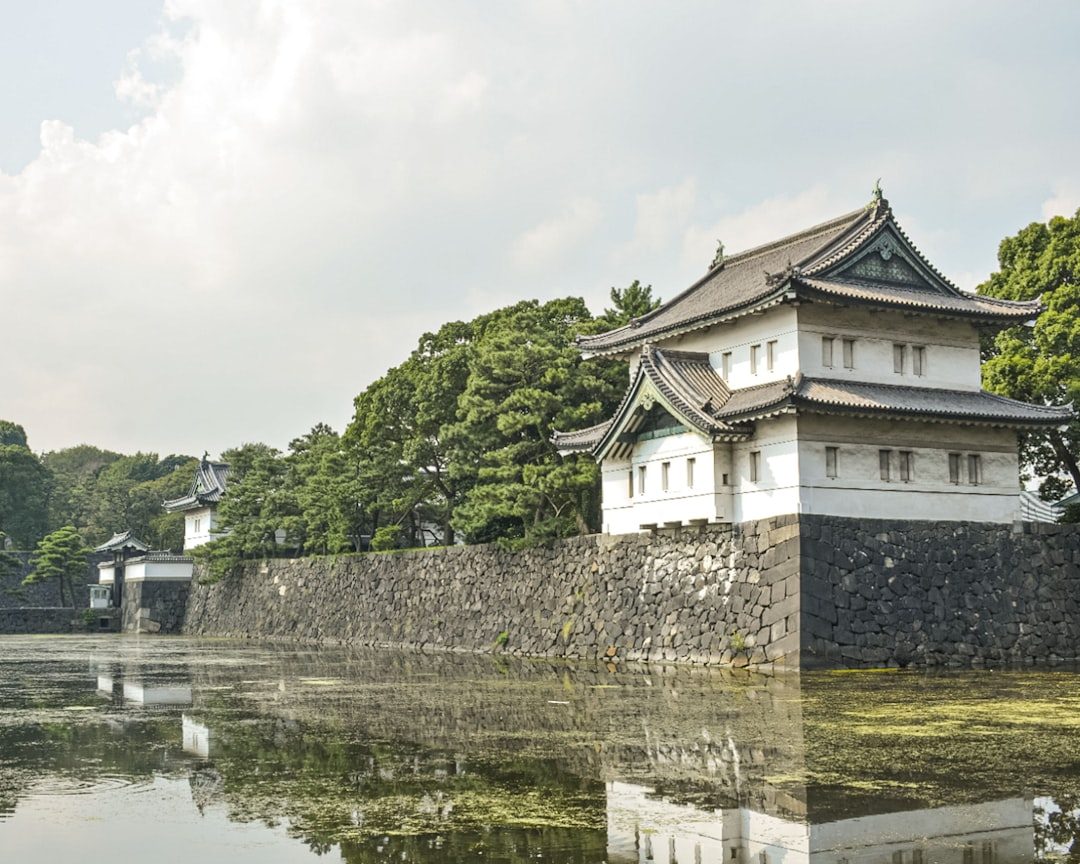
A Real-Life Note from Japan
Frequently Asked Questions
Is best museums in tokyo in Japan very different from other countries?
Yes and no. The fundamentals are often similar, but the way Japanese families approach best museums in tokyo reflects distinct cultural values — particularly around reliability, quality, community, and seasonal awareness. The differences become clearer the longer you observe Japanese daily life.
Do you need to speak Japanese to understand best museums in tokyo in Japan?
For visitors, basic Japanese phrases help significantly. For deeper understanding of the culture around best museums in tokyo, learning Japanese opens up a much richer picture. That said, a lot of relevant information is now available in English, and many Japanese people in cities like Tokyo are comfortable with basic English communication.
Where can I learn more about everyday life in Japan?
Beyond this article, Japanese family and lifestyle YouTube channels, Reddit’s r/japan and r/japanlife communities, and English-language Japanese media provide excellent ongoing perspectives. Following Japanese people on social media who document daily life is also revealing.
How has best museums in tokyo changed in Japan recently?
Like most aspects of Japanese society, best museums in tokyo is evolving — particularly as younger generations develop different priorities from their parents. The core cultural values remain consistent, but the expressions of those values are shifting.
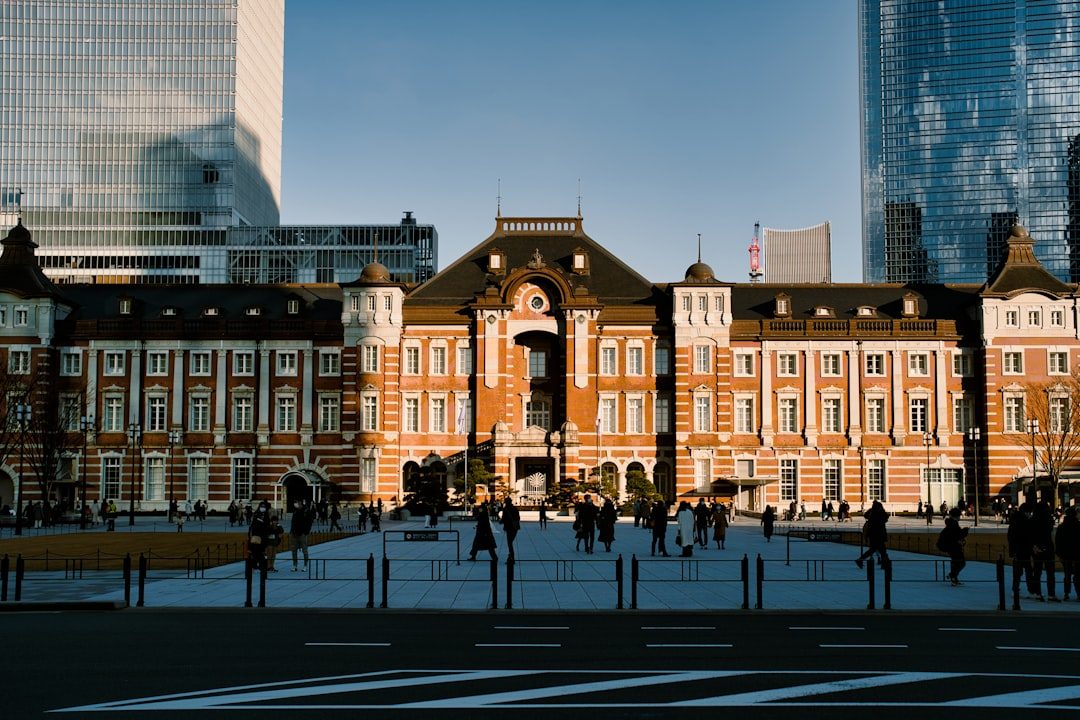
What I Often See in Japanese Stores
Conclusion
Best Museums In Tokyo is one of those topics that rewards close attention. The more you understand about how Japanese families approach best museums in tokyo, the more you appreciate the consistency and thoughtfulness built into everyday Japanese life.
If you’re curious to go deeper, explore our other articles on Tokyo Life — or browse our guides to Tokyo life, Japanese food culture, and everyday family routines.
Last updated: June 2026 | Japanese Best — Discover What Japanese Families Actually Use, Buy and Enjoy
More From Japanese Best
Disclosure: As an Amazon Associate, Japanese Best earns from qualifying purchases. This does not affect our recommendations. We only feature products we genuinely believe are worth your consideration.
Editorial Disclaimer
The views, opinions, and recommendations in this article are the author’s own and reflect personal experience living in Japan. They do not constitute professional, financial, or purchasing advice of any kind.
Product availability, pricing, and specifications are subject to change without notice. Japanese Best makes no warranties — express or implied — regarding the accuracy or completeness of this content, and accepts no liability for any decisions made based on it. Always verify details directly with the retailer or manufacturer before purchasing.
コメント