Cycling Culture in Tokyo
July 11, 2026 | Hobbies | Japanese Best
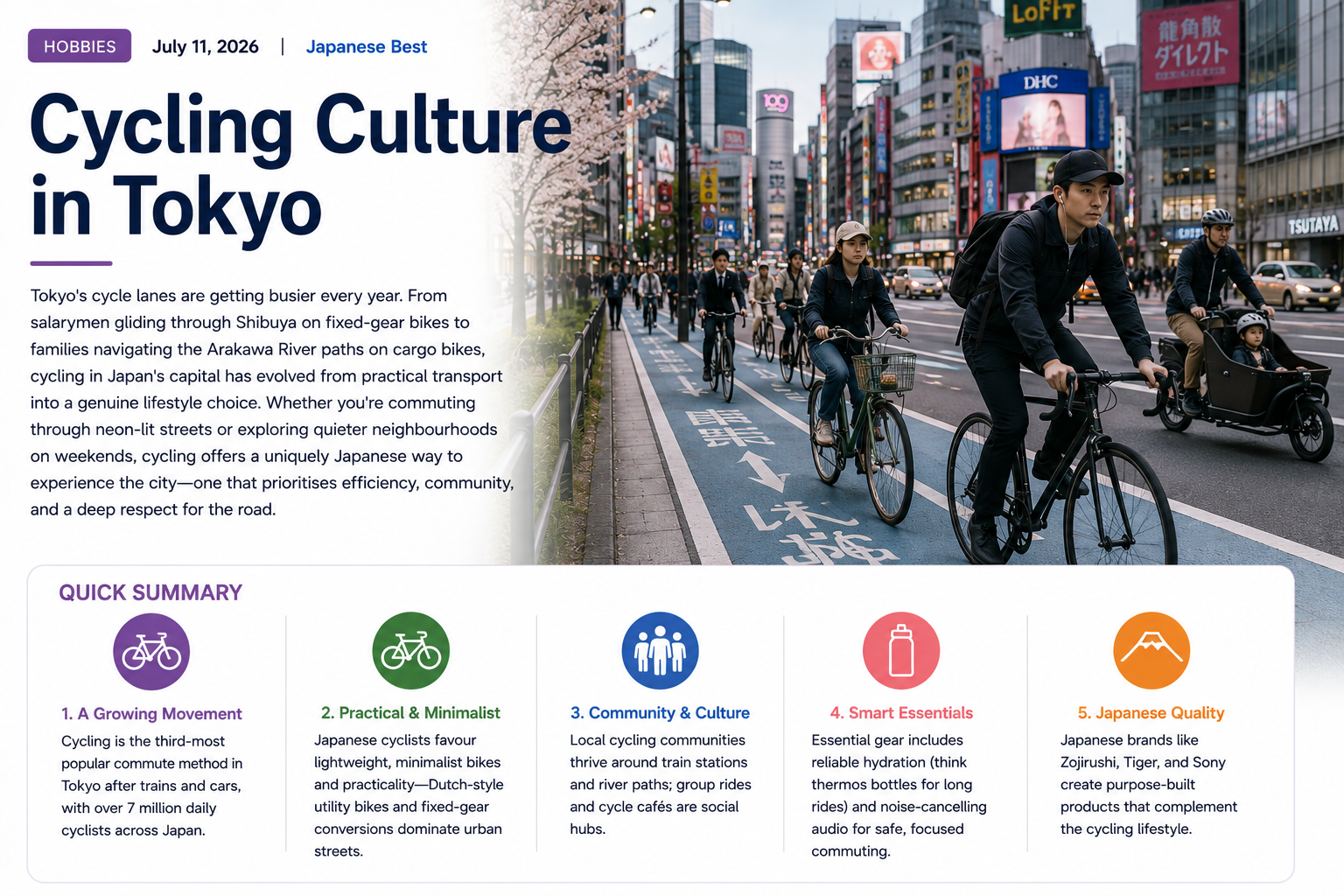
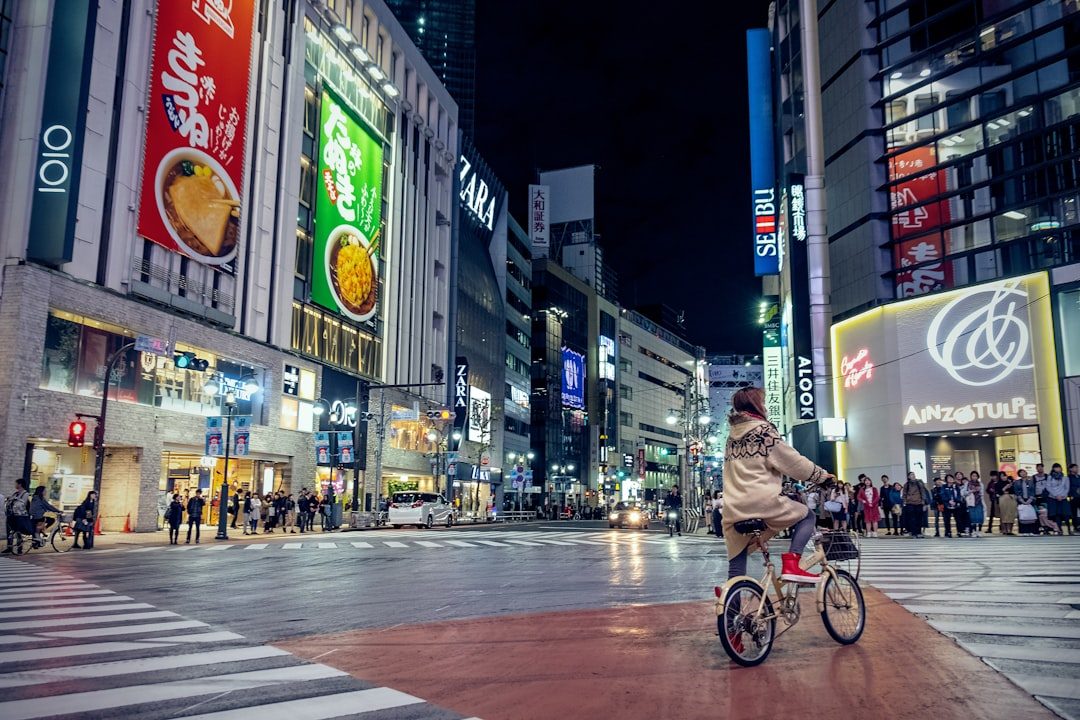
Tokyo’s cycle lanes are getting busier every year. From salarymen gliding through Shibuya on fixed-gear bikes to families navigating the Arakawa River paths on cargo bikes, cycling in Japan’s capital has evolved from practical transport into a genuine lifestyle choice. Whether you’re commuting through neon-lit streets or exploring quieter neighbourhoods on weekends, cycling offers a uniquely Japanese way to experience the city—one that prioritises efficiency, community, and a deep respect for the road.
Quick Summary
- Cycling is the third-most popular commute method in Tokyo after trains and cars, with over 7 million daily cyclists across Japan
- Japanese cyclists favour lightweight, minimalist bikes and practicality—Dutch-style utility bikes and fixed-gear conversions dominate urban streets
- Local cycling communities thrive around train stations and river paths; group rides and cycle cafés are social hubs
- Essential gear includes reliable hydration (think thermos bottles for long rides) and noise-cancelling audio for safe, focused commuting
- Japanese brands like Zojirushi, Tiger, and Sony create purpose-built products that complement the cycling lifestyle
🛒 Shop Recommended Products
How Popular Is This Hobby in Japan?
Cycling in Japan isn’t niche—it’s embedded in daily life. The Japan Bicycle Promotion Institute reports that over 72 million bicycles are in active use across the country, with Tokyo alone accounting for roughly 7 million regular cyclists. What’s remarkable is the diversity: schoolchildren ride mama-charis (heavy-duty bikes with child seats), office workers pedal lightweight road bikes, and weekend enthusiasts tackle scenic routes like the 100km Kasai Rinkai Park loop.
The rise of cycling tourism has accelerated interest further. The “Great Japan Bicycle Route” initiative promotes long-distance touring, whilst local municipalities have invested heavily in dedicated cycle lanes. In Chiyoda Ward, cycle parking facilities increased by 40% between 2015 and 2023. Cycling clubs meet regularly at stations like Harajuku, Shibuya, and along the Tamagawa Canal. It’s no longer just about getting from A to B—it’s become a lifestyle statement reflecting Japanese values of sustainability, minimalism, and active wellness.
How Japanese People Do It
Japanese cyclists approach their hobby with characteristic precision. Most favour lightweight, single-speed or fixed-gear bikes—practical for Tokyo’s flat terrain and frequent stops. Brands like Tokyobike and Fuji have become local icons, offering sleek, minimal designs that fit seamlessly into urban life.
Daily commuters typically invest in reliable hydration solutions for their journey. A quality thermos like the Zojirushi SM-SHE60AG Stainless Mug keeps morning coffee hot during the ride and beyond—essential for those pre-work cycles through Chiyoda or Minato wards. Serious weekend cyclists prefer the Tiger MMZ-A502 Stainless Bottle, whose wide-mouth design makes it simple to add ice and refill at convenience stores (konbini) dotted throughout the city.
Safety gear is non-negotiable. Most cyclists wear reflective armbands and lights—particularly important on evening commutes. High-visibility rain jackets and compact helmets are standard. Bike maintenance is treated almost ceremonially; many cyclists visit local bike shops monthly for tune-ups, creating long-term relationships with mechanics who understand their specific bike setup.
Community and Culture Around It
Tokyo’s cycling community is remarkably welcoming and well-organised. The Arakawa River cycle path alone attracts thousands weekly, creating informal social hubs where cyclists naturally gather. Cycle cafés—dedicated coffee shops for bike enthusiasts—pepper neighbourhoods like Nakameguro and Shimokitazawa, serving as meeting points for group rides and casual meetups.
Organised cycling events are frequent and inclusive. The Tokyo Cycle Show (held annually at Tokyo Big Sight) draws international participants, whilst smaller club rides cater to every skill level. The “Mame-chari” (small-wheel bike) subculture has grown exponentially, particularly among younger Tokyoites who prize portability and style. Online communities on platforms like Strava allow cyclists to track routes and connect with others tackling similar paths.
What makes Japanese cycling culture distinctive is its emphasis on respect and harmony. Cyclists follow strict etiquette: stopping at red lights, using bells to alert pedestrians, and maintaining orderly lines on busy paths. This creates a safe, predictable environment where both casual riders and serious enthusiasts coexist peacefully. Many cyclists enhance their rides with audio content—podcasts, audiobooks, or music—using the Sony WH-1000XM5 headphones, whose industry-leading noise cancellation allows riders to stay focused and aware of their surroundings whilst enjoying superior sound quality.
FAQ
Is it safe to cycle in Tokyo?
Yes. Tokyo has dedicated cycle lanes, strict traffic laws, and a culture of respect on the road. However, always wear a helmet, use lights, and follow traffic signals.
What’s the best bike for beginners in Tokyo?
A single-speed utility bike (like those from Tokyobike) or a lightweight road bike suits most commuters. Visit a local shop in your ward for personalised advice.
How much does a decent bike cost?
Entry-level bikes start around ¥15,000–¥30,000; quality commuter bikes range from ¥50,000–¥150,000. Professional cycling bikes exceed ¥200,000.
Where are the best cycle routes in Tokyo?
The Arakawa River path, Tamagawa Canal, and Kasai Rinkai Park are popular. Quieter options include routes through Setagaya and along Tokyo Bay.
Cycling culture in Tokyo represents something distinctly Japanese: the marriage of practical utility with aesthetic minimalism, individual choice within community respect, and the belief that how you move through the world matters. Whether you’re joining the morning commute through Shibuya or exploring quieter riverside paths on weekends, you’re participating in a lifestyle that millions of Tokyoites embrace daily. Start small, invest in quality essentials, and soon you’ll discover why cycling has become woven into the fabric of life in Japan’s most dynamic city.
Seen in Everyday Life in Tokyo
A Real-Life Note from Japan
What I Often See in Japanese Stores
Recommended Japanese Products
The products below are directly relevant to this article and used by Japanese families.
| Product | Brand | Best For | Link |
|---|---|---|---|
| Zojirushi SM-SHE60AG Stainless Mug | Zojirushi | Daily commuters who want reliable, durable coffee/tea on the go | Zojirushi SM-SHE60AG Stainless Mug |
| Tiger MMZ-A502 Stainless Bottle | Tiger | Active users, hikers, and gym-goers who need a rugged easy-fill bottle | Tiger MMZ-A502 Stainless Bottle |
| Sony WH-1000XM5 | Sony | Frequent travellers, remote workers, and audiophiles who want the best ANC | Sony WH-1000XM5 |
Zojirushi SM-SHE60AG Stainless Mug
Zojirushi’s most popular commuter mug — slim, spill-proof, and keeps drinks hot for 6 hours.
Best for: Daily commuters who want reliable, durable coffee/tea on the go
🛒 Zojirushi SM-SHE60AG Stainless Mug on Amazon
Tiger MMZ-A502 Stainless Bottle
Tiger’s wide-mouth design makes it easy to add ice and clean thoroughly.
Best for: Active users, hikers, and gym-goers who need a rugged easy-fill bottle
🛒 Tiger MMZ-A502 Stainless Bottle on Amazon
Sony WH-1000XM5
Sony’s flagship ANC headphones — industry-leading noise cancellation and exceptional sound.
Best for: Frequent travellers, remote workers, and audiophiles who want the best ANC
More From Japanese Best
- What Japanese Families Eat for Dinner
- Cost of Living in Tokyo in 2025: A Real Breakdown
Disclosure: As an Amazon Associate, Japanese Best earns from qualifying purchases. This does not affect our recommendations. We only feature products we genuinely believe are worth your consideration.
Editorial Disclaimer
The views, opinions, and recommendations in this article are the author’s own and reflect personal experience living in Japan. They do not constitute professional, financial, or purchasing advice of any kind.
Product availability, pricing, and specifications are subject to change without notice. Japanese Best makes no warranties — express or implied — regarding the accuracy or completeness of this content, and accepts no liability for any decisions made based on it. Always verify details directly with the retailer or manufacturer before purchasing.
コメント