How Japanese Families Eat Rice Every Day (2026)
June 28, 2026 | Food | Japanese Best
Introduction
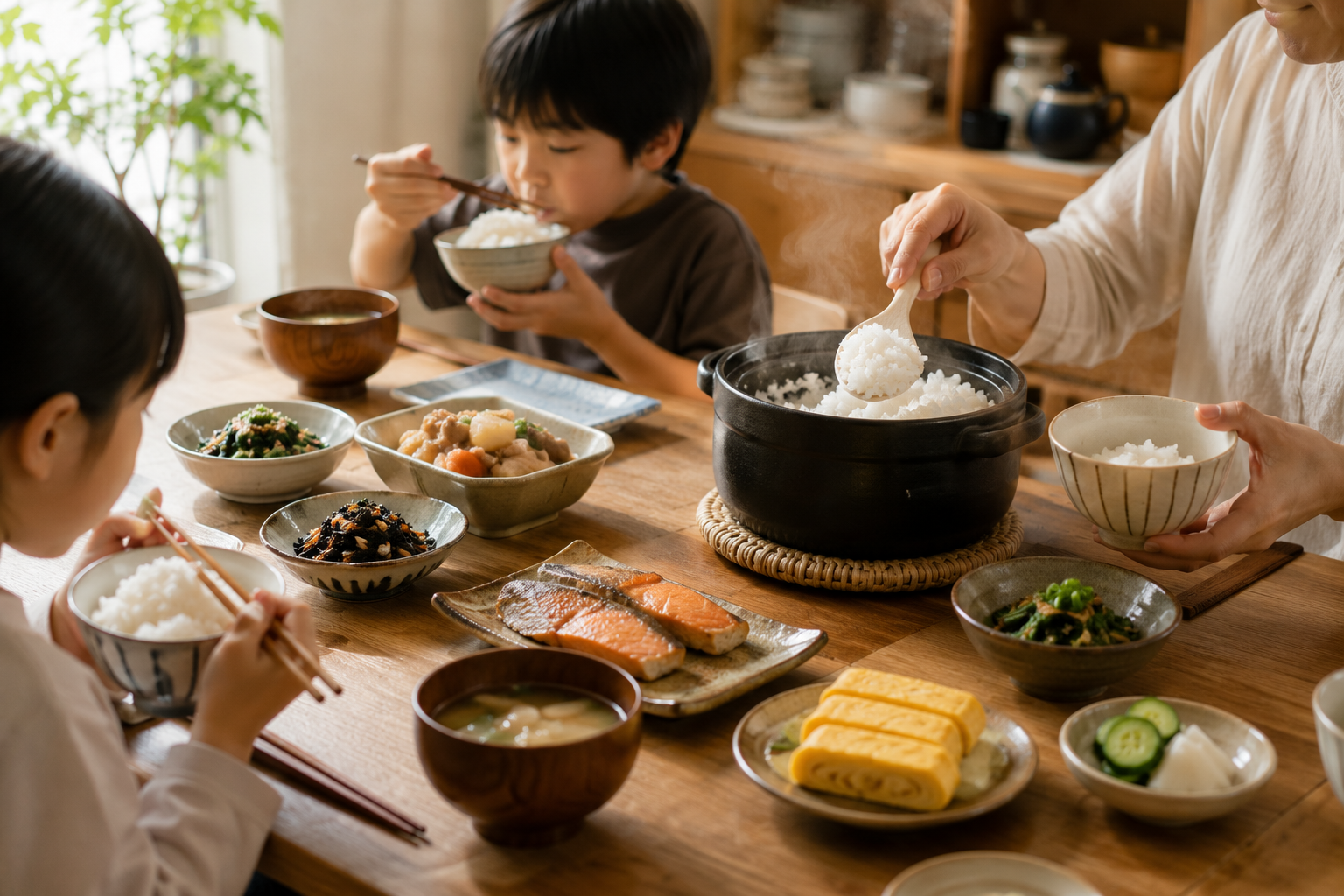
Japanese food culture runs deep — far deeper than sushi restaurants and ramen shops. How Japanese Families Eat Rice Every Day shows you what’s really on the table in an ordinary Japanese home.
Quick Summary
- Japanese families approach japanese rice everyday with seasonal awareness and practical efficiency
- Home cooking relies on a small set of trusted staples bought weekly
- Quality and freshness matter more than variety or novelty
- Meals are planned around the family’s weekly schedule
- Even everyday food involves care and presentation that surprises outsiders
Seen in Everyday Life in Tokyo
What Japanese Families Actually Eat
How Japanese Families Eat Rice Every Day is a window into Japanese home life. Despite Japan’s global reputation for sushi and ramen, what Japanese families eat at home day-to-day is quite different from what tourists experience.
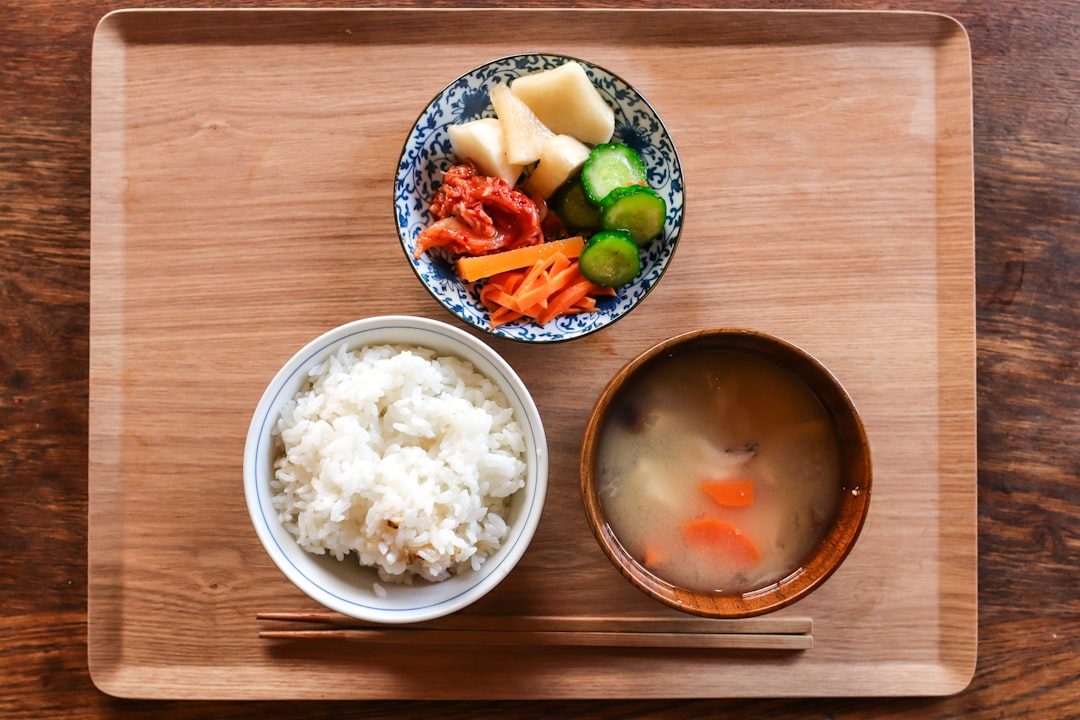
The Japanese home kitchen centres on rice (gohan). For most families, rice is served at dinner and often breakfast. It’s cooked in a dedicated rice cooker, kept warm, and refilled throughout the meal.
Around the rice, a typical family dinner includes miso soup (miso shiru), a main dish (fish, meat, or tofu), and one or two small side dishes (okazu). This structure — called ichiju sansai (one soup, three dishes) — is the quiet backbone of Japanese home cooking.
How It’s Prepared at Home
Japanese home cooking relies heavily on a small set of core ingredients that appear week after week:
- Soy sauce (shoyu) — used in almost every savoury dish
- Mirin — sweet rice wine for simmered dishes
- Dashi — stock made from kombu and bonito flakes, the base of miso soup and many sauces
- Rice vinegar — for dressings and sushi rice
- Sesame oil — finishing oil for many dishes
These ingredients are bought in quantity and used daily. A Japanese kitchen without them would feel incomplete.
Time efficiency matters. Japanese home cooks are skilled at preparing several dishes simultaneously, often using the rice cooker timer so rice is ready exactly when dinner starts.
Where to Buy the Ingredients
In Tokyo, Japanese home cooking ingredients are available everywhere:
- Supermarkets (supa): major chains like Ito-Yokado, Aeon, and local options like Maruetsu stock everything a home cook needs
- Convenience stores: for everyday staples and ready-made miso soup packets
- Neighbourhood grocery stores: smaller, often fresher, and trusted by locals
For overseas readers, many key Japanese ingredients are now widely available on Amazon and in Asian grocery stores worldwide. The range of Japanese cooking products available internationally has grown significantly in recent years.
A Real-Life Note from Japan
Related Japanese Products
The products below came up naturally in the context of this article. We only recommend items that genuinely connect to the topic.
| Product | Brand | Best For | Amazon |
|---|---|---|---|
| Zojirushi NS-ZCC10 | Zojirushi | Families who want reliable, consistently great rice without spending on IH | Search on Amazon |
| Benriner BN-1 Japanese Mandoline Slicer | Benriner | Home cooks who want professional-speed, paper-thin slicing for salads and garnishes | Search on Amazon |
| Kyocera Ceramic Coated Frying Pan | Kyocera | Health-conscious cooks who avoid PTFE/Teflon coatings | Search on Amazon |
Zojirushi NS-ZCC10
A beloved micom rice cooker with Neuro Fuzzy logic for consistently fluffy rice.
Best for: Families who want reliable, consistently great rice without spending on IH
Search for Zojirushi NS-ZCC10 on Amazon
Benriner BN-1 Japanese Mandoline Slicer
The original Japanese mandoline — every professional kitchen in Japan has one.
Best for: Home cooks who want professional-speed, paper-thin slicing for salads and garnishes
Search for Benriner BN-1 Japanese Mandoline Slicer on Amazon
Kyocera Ceramic Coated Frying Pan
Japan’s ceramics giant applies its expertise to cookware — a healthier non-stick alternative.
Best for: Health-conscious cooks who avoid PTFE/Teflon coatings
Search for Kyocera Ceramic Coated Frying Pan on Amazon
Frequently Asked Questions
Is japanese rice everyday in Japan very different from other countries?
Yes and no. The fundamentals are often similar, but the way Japanese families approach japanese rice everyday reflects distinct cultural values — particularly around reliability, quality, community, and seasonal awareness. The differences become clearer the longer you observe Japanese daily life.
Do you need to speak Japanese to understand japanese rice everyday in Japan?
For visitors, basic Japanese phrases help significantly. For deeper understanding of the culture around japanese rice everyday, learning Japanese opens up a much richer picture. That said, a lot of relevant information is now available in English, and many Japanese people in cities like Tokyo are comfortable with basic English communication.
Where can I learn more about everyday life in Japan?
Beyond this article, Japanese family and lifestyle YouTube channels, Reddit’s r/japan and r/japanlife communities, and English-language Japanese media provide excellent ongoing perspectives. Following Japanese people on social media who document daily life is also revealing.
How has japanese rice everyday changed in Japan recently?
Like most aspects of Japanese society, japanese rice everyday is evolving — particularly as younger generations develop different priorities from their parents. The core cultural values remain consistent, but the expressions of those values are shifting.
What I Often See in Japanese Stores
Conclusion
How Japanese Families Eat Rice Every Day is one of those topics that rewards close attention. The more you understand about how Japanese families approach japanese rice everyday, the more you appreciate the consistency and thoughtfulness built into everyday Japanese life.
If you’re curious to go deeper, explore our other articles on Food — or browse our guides to Tokyo life, Japanese food culture, and everyday family routines.
Last updated: June 2026 | Japanese Best — Discover What Japanese Families Actually Use, Buy and Enjoy
More From Japanese Best
Disclosure: As an Amazon Associate, Japanese Best earns from qualifying purchases. This does not affect our recommendations. We only feature products we genuinely believe are worth your consideration.
Editorial Disclaimer
The views, opinions, and recommendations in this article are the author’s own and reflect personal experience living in Japan. They do not constitute professional, financial, or purchasing advice of any kind.
Product availability, pricing, and specifications are subject to change without notice. Japanese Best makes no warranties — express or implied — regarding the accuracy or completeness of this content, and accepts no liability for any decisions made based on it. Always verify details directly with the retailer or manufacturer before purchasing.


コメント