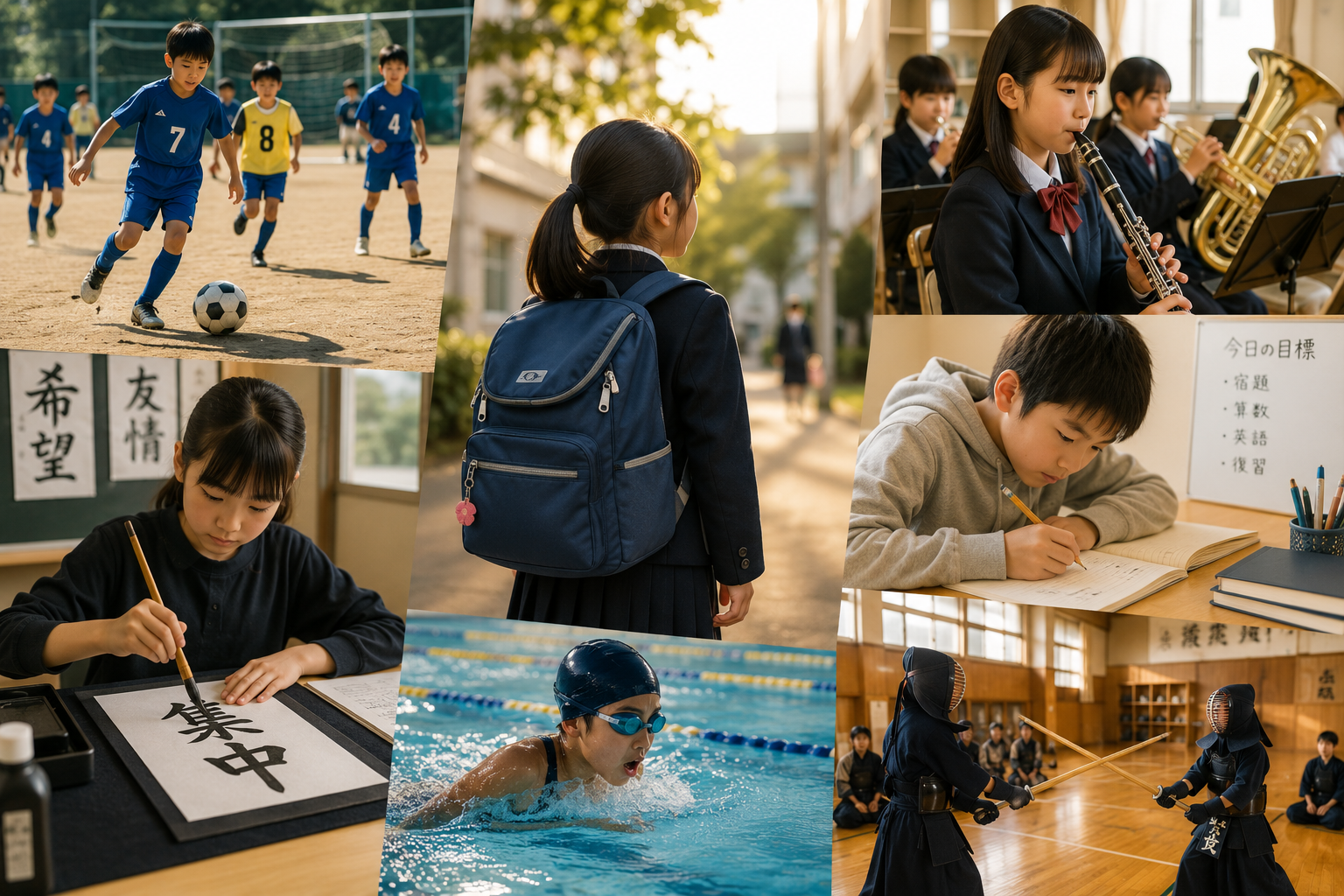
After-School Activities in Japan (2026)
June 28, 2026 | Parenting | Japanese Best
Introduction
How Japanese parents approach raising children has lessons worth understanding, regardless of where you live. After-School Activities in Japan is one of the most interesting windows into Japanese family culture.
Quick Summary
- Japanese parents approach after school activities in japan with a focus on routine and collective responsibility
- Children are encouraged towards independence from an early age
- School plays a central role in social and daily life
- Parenting style blends high expectations with gentle, patient guidance
- Practical details differ significantly from Western norms
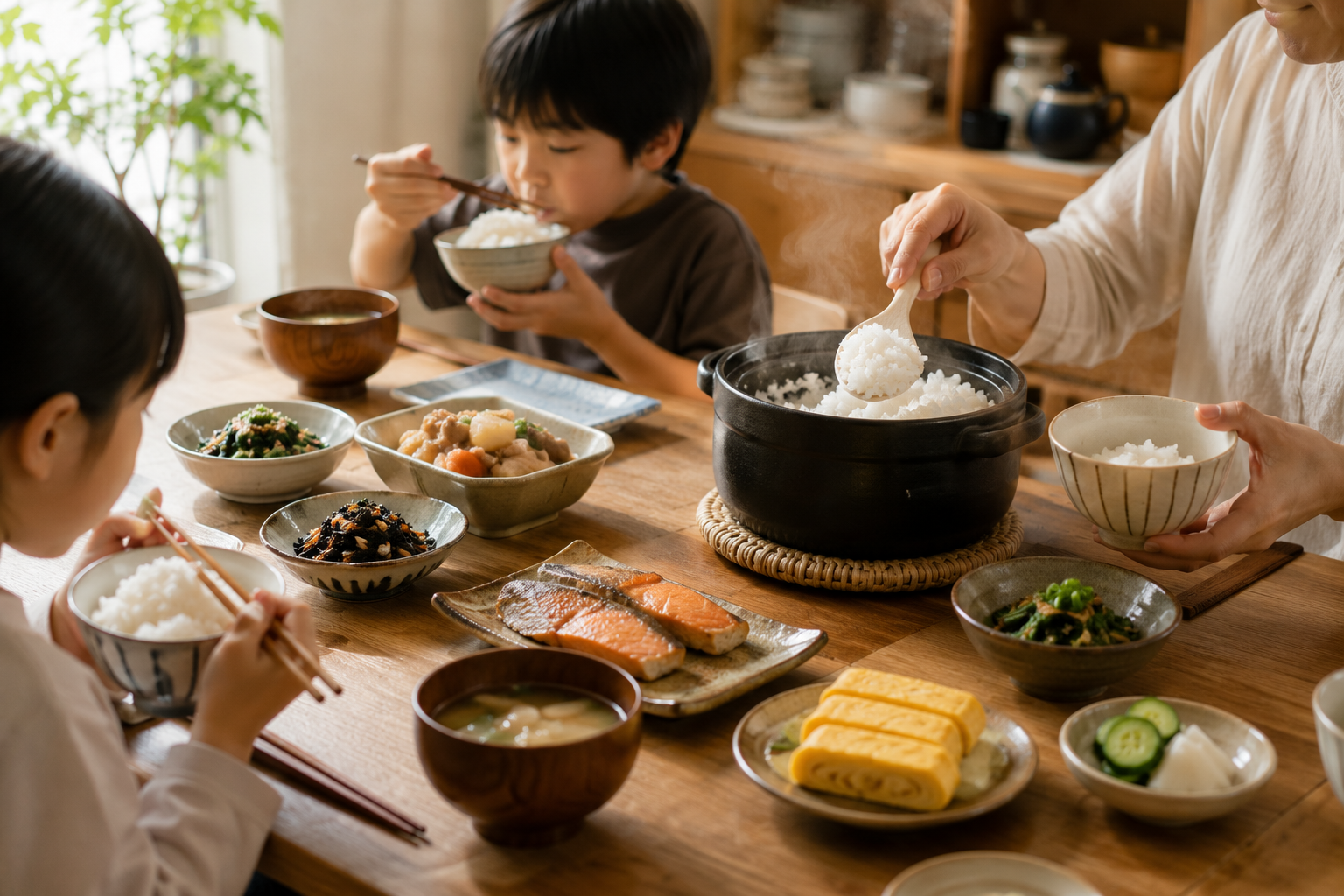
Seen in Everyday Life in Tokyo
How Japanese Parents Approach This
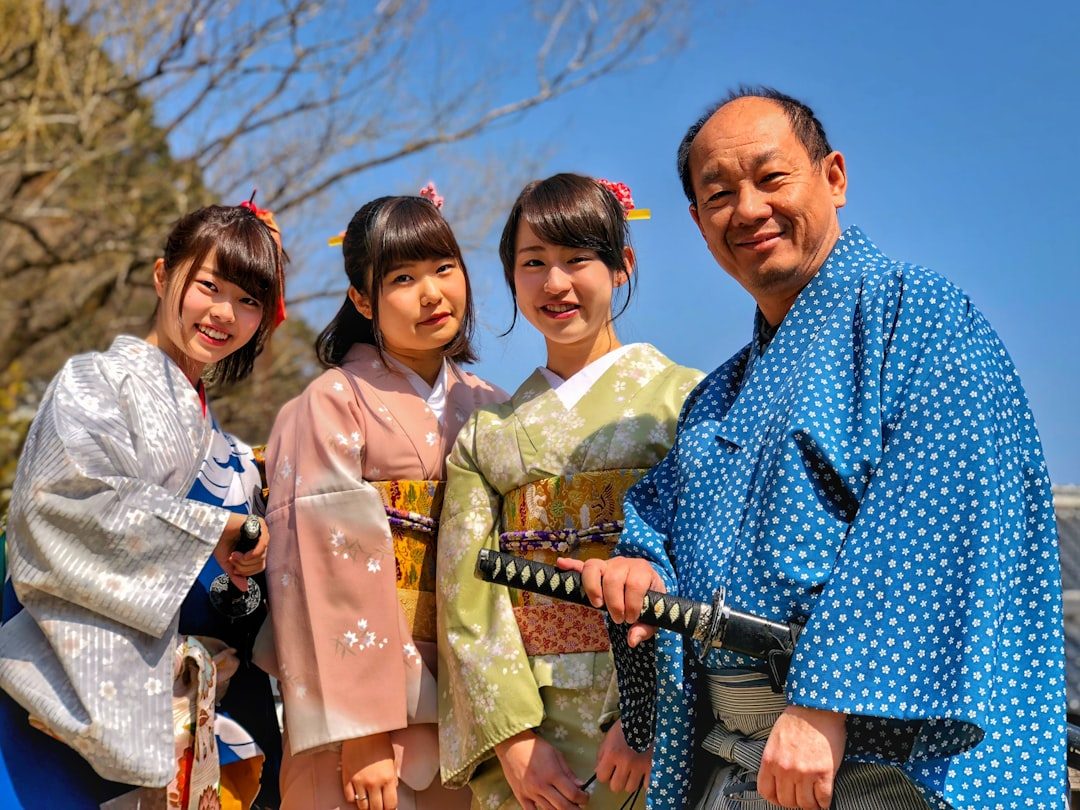
Japanese parenting is shaped by a few deeply-held values that influence everything from after school activities in japan to daily communication.
Collective responsibility is central. Japanese parents don’t just raise children for themselves — they raise them for the community. This is especially visible in schools, where children are responsible for cleaning their classrooms and serving their own school lunches.
Gentle persistence over harsh correction. Japanese parents tend to guide rather than punish, repeating expectations patiently rather than escalating to discipline. This patience extends to academic expectations — children are encouraged to work steadily, not to perform brilliantly.
Respect for routine is instilled early. Japanese children generally have consistent sleep times, meal times, and school schedules from a young age. After-School Activities in Japan is often structured around these routines.
What Japanese Children Experience
From a child’s perspective, growing up in Japan involves a distinct set of experiences:
School is central to social life. Japanese children spend significant time in school, including club activities (bukatsu) that run after regular hours. The school is often the primary community for children through elementary and junior high school.
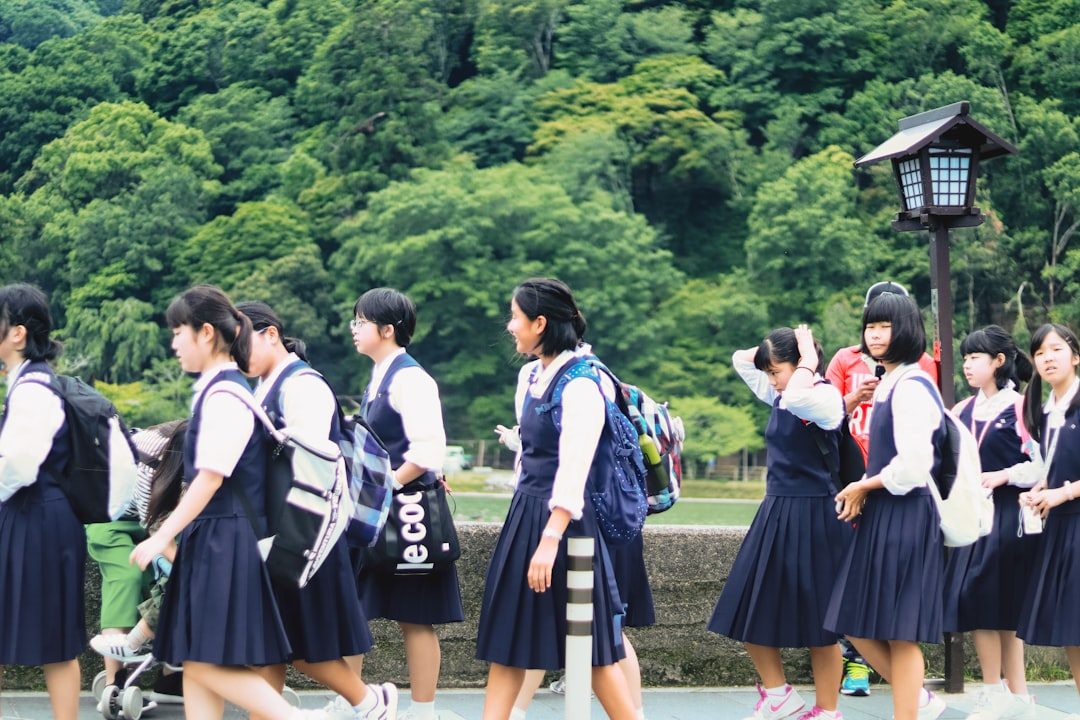
Independence is encouraged early. It’s common to see Japanese elementary school children commuting to school alone on public transport — something that would be unusual in many Western countries. This independence is considered normal and even important for development.
Pressure and support coexist. Japanese children often face significant academic pressure, particularly as they approach middle and high school entrance examinations. At the same time, the school environment tends to emphasise mutual support rather than competition.
Real-Life Examples from Tokyo
Here are observations from actual Tokyo family life related to after school activities in japan:
Japanese parents visiting school events are typically expected to participate, not just watch. Parent-teacher meetings (mendan) happen multiple times a year and are taken seriously.
Children in Tokyo often belong to after-school programs (gakudo) that bridge the gap between school finishing at 3pm and parents returning from work at 6–7pm.
Birthday celebrations tend to be smaller and more home-centred than the elaborate parties common in the US or UK. Cake, a small family dinner, and perhaps a gift are the typical format.
A Real-Life Note from Japan
Related Japanese Products
The products below came up naturally in the context of this article. We only recommend items that genuinely connect to the topic.
| Product | Brand | Best For | Amazon |
|---|---|---|---|
| Pilot FriXion Clicker 0.5mm | Pilot | Students, planners, and anyone who needs flexibility to correct mistakes | Search on Amazon |
| Zebra Sarasa Clip 0.5mm | Zebra | Students and office workers who write quickly and need fast-drying ink | Search on Amazon |
| Zojirushi Stainless Lunch Jar (Bento Box) | Zojirushi | Office workers and students who want hot lunches without needing a microwave | Search on Amazon |
Pilot FriXion Clicker 0.5mm
The world’s bestselling erasable pen — writes like a smooth gel but rubs out cleanly with heat.
Best for: Students, planners, and anyone who needs flexibility to correct mistakes
Search for Pilot FriXion Clicker 0.5mm on Amazon
Zebra Sarasa Clip 0.5mm
Japan’s favourite everyday gel pen — fast-drying, smooth, and available in gorgeous colours.
Best for: Students and office workers who write quickly and need fast-drying ink
Search for Zebra Sarasa Clip 0.5mm on Amazon
Zojirushi Stainless Lunch Jar (Bento Box)
Japan’s most reliable insulated bento jar — keeps lunch hot for hours without a microwave.
Best for: Office workers and students who want hot lunches without needing a microwave
Search for Zojirushi Stainless Lunch Jar (Bento Box) on Amazon
Frequently Asked Questions
Is after school activities in japan in Japan very different from other countries?
Yes and no. The fundamentals are often similar, but the way Japanese families approach after school activities in japan reflects distinct cultural values — particularly around reliability, quality, community, and seasonal awareness. The differences become clearer the longer you observe Japanese daily life.
Do you need to speak Japanese to understand after school activities in japan in Japan?
For visitors, basic Japanese phrases help significantly. For deeper understanding of the culture around after school activities in japan, learning Japanese opens up a much richer picture. That said, a lot of relevant information is now available in English, and many Japanese people in cities like Tokyo are comfortable with basic English communication.
Where can I learn more about everyday life in Japan?
Beyond this article, Japanese family and lifestyle YouTube channels, Reddit’s r/japan and r/japanlife communities, and English-language Japanese media provide excellent ongoing perspectives. Following Japanese people on social media who document daily life is also revealing.
How has after school activities in japan changed in Japan recently?
Like most aspects of Japanese society, after school activities in japan is evolving — particularly as younger generations develop different priorities from their parents. The core cultural values remain consistent, but the expressions of those values are shifting.
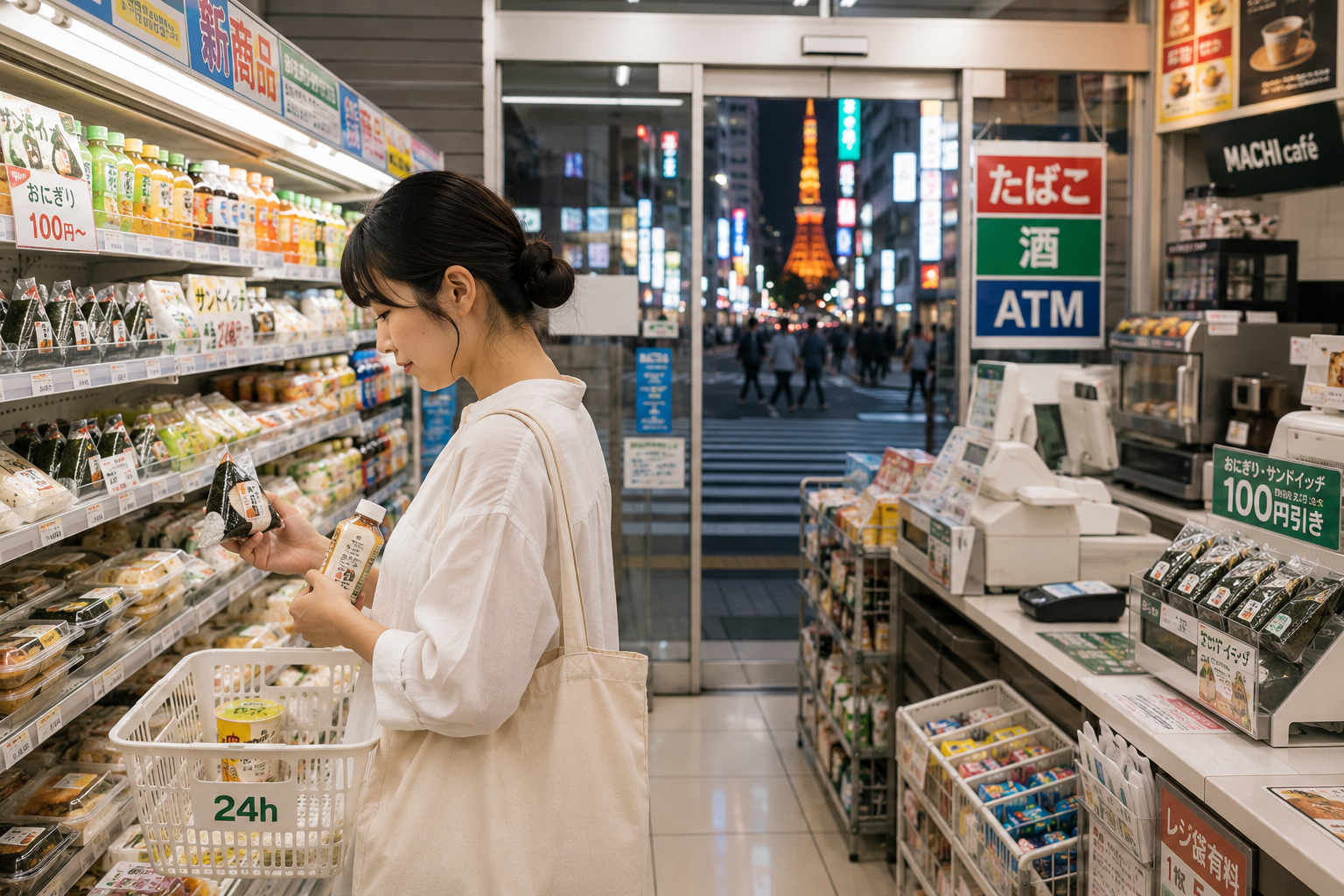
What I Often See in Japanese Stores
Conclusion
After-School Activities in Japan is one of those topics that rewards close attention. The more you understand about how Japanese families approach after school activities in japan, the more you appreciate the consistency and thoughtfulness built into everyday Japanese life.
If you’re curious to go deeper, explore our other articles on Parenting — or browse our guides to Tokyo life, Japanese food culture, and everyday family routines.
Last updated: June 2026 | Japanese Best — Discover What Japanese Families Actually Use, Buy and Enjoy
More From Japanese Best
Disclosure: As an Amazon Associate, Japanese Best earns from qualifying purchases. This does not affect our recommendations. We only feature products we genuinely believe are worth your consideration.
Editorial Disclaimer
The views, opinions, and recommendations in this article are the author’s own and reflect personal experience living in Japan. They do not constitute professional, financial, or purchasing advice of any kind.
Product availability, pricing, and specifications are subject to change without notice. Japanese Best makes no warranties — express or implied — regarding the accuracy or completeness of this content, and accepts no liability for any decisions made based on it. Always verify details directly with the retailer or manufacturer before purchasing.
コメント