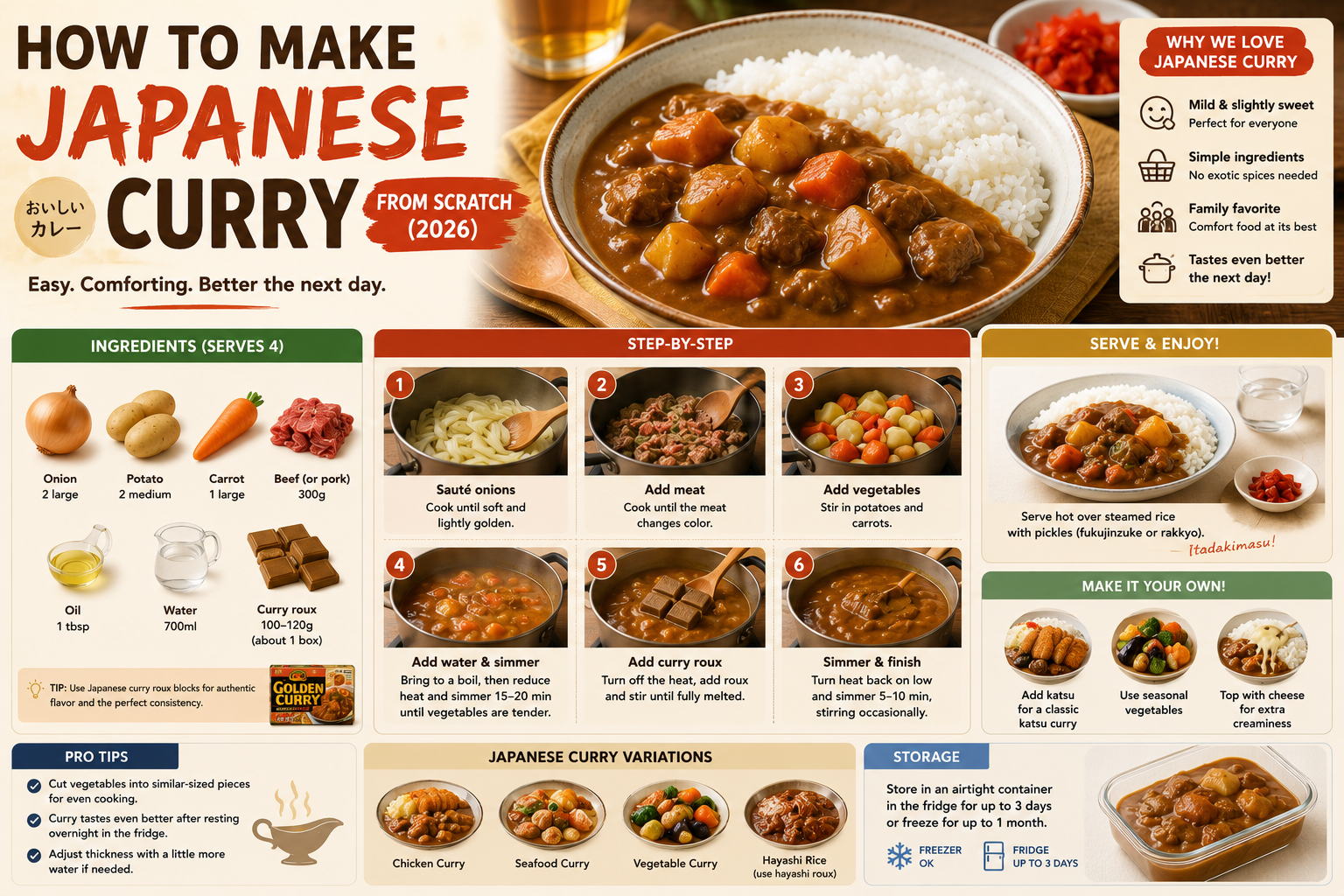
How to Make Japanese Curry from Scratch (2026)
June 28, 2026 | Food | Japanese Best
Japanese curry is one of the nation’s most beloved comfort foods — a dish so deeply woven into everyday life that nearly every Japanese household has their own version simmering on the stovetop at least once a month. Unlike the complex, layered curries of India or Thailand, Japanese curry is sweeter, milder, and remarkably forgiving to make. It’s the kind of food that brings families together, transforms leftover vegetables into something memorable, and tastes even better the next day. If you’ve ever wondered how to recreate that golden, slightly sweet sauce at home, you’re about to discover that it’s far simpler than you might imagine.
Quick Summary
- Japanese curry uses a roux-based sauce that’s sweeter and less spicy than other Asian curries
- The three core ingredients are curry paste, onions, potatoes, and carrots — nothing exotic required
- Most Japanese families use instant curry blocks or powder rather than making roux from scratch
- Preparation takes roughly 30 minutes from start to finish, making it weeknight-friendly
- Serve over steamed rice alongside pickled vegetables for an authentic home-cooked meal
What Japanese Families Actually Eat
Walk into any supermarket in Tokyo, Osaka, or rural Nagano, and you’ll find an entire aisle dedicated to curry products. Japanese curry is fundamentally different from Indian or Thai curry — it’s sweeter, creamier, and designed to appeal to children and adults alike. This isn’t accidental. Japanese curry emerged in the Meiji era (1868–1912) as a military food, adapted from British colonial curry to suit Japanese palates. Over generations, it evolved into something uniquely Japanese.
The typical Japanese curry dinner is served over white rice, often accompanied by fukujinzuke (pickled vegetables) or a simple cucumber salad. Many families add a raw egg on top, which cooks slightly in the heat of the curry. Protein varies — chicken, beef, pork, or simply vegetables are all equally valid choices. What matters is the sauce itself: that glossy, slightly sweet brown coating that clings to every grain of rice. For most Japanese households, convenience is paramount. Rather than making curry from scratch, families rely on curry blocks (like S&B or House brand) or instant powder packets. These are sold everywhere, cost between 100–300 yen per serving, and are considered a staple pantry item.
How It’s Prepared at Home
The method is deliberately simple. Begin by dicing onions, potatoes, and carrots into roughly 2–3 cm chunks — uniformity matters for even cooking. Heat a tablespoon of oil in a large pot, then sauté the onions until translucent, about 5 minutes. Add your chosen protein (typically 500–600g for four servings) and brown it lightly. Pour in enough water or stock to barely cover the ingredients — roughly 600–700ml — and bring to a gentle boil.
Simmer for 15–20 minutes until the potatoes are nearly tender. This is where the magic happens: turn off the heat, then break your curry block (or measure out curry powder) and crumble it directly into the pot whilst stirring constantly. The residual heat melts the block smoothly without lumps. If using powder, whisk it into a small amount of cool water first to prevent clumping. Return the pot to low heat and simmer for another 5 minutes, stirring occasionally. The sauce should thicken noticeably. Taste and adjust salt if needed — most curry blocks are already seasoned generously.
Where to Buy the Ingredients
In Japan, the answer is everywhere: supermarkets, convenience stores (Lawson, FamilyMart, 7-Eleven), and 100-yen shops all stock curry blocks. Popular brands include House, S&B, and Glico. Prices range from 150–250 yen per block. Overseas, Japanese grocery stores carry authentic blocks, though prices climb considerably due to import costs. You’ll also find curry powder in the international aisle of major supermarkets worldwide.
Fresh vegetables — onions, potatoes, carrots — are universally available, as is chicken or beef from any butcher. For an entirely authentic experience, seek out Japanese curry pastes like Vermont Curry or Java Curry, both widely exported. Some international online retailers stock genuine Japanese blocks at reasonable prices. The real advantage of Japanese curry blocks is their consistency: whether you’re cooking in Tokyo or London, the same block produces nearly identical results every time.
Why Japanese People Love This Food
Japanese curry represents more than sustenance — it’s nostalgia on a plate. Most Japanese people have childhood memories of their mother’s or grandmother’s curry, simmered on a winter evening. It’s comfort food in the truest sense, requiring minimal skill yet producing universally satisfying results. Schools serve curry regularly in lunch programmes, so multiple generations grew up eating it together.
Economically, it’s efficient. A single curry block feeds four people for under 500 yen total, making it far cheaper than dining out. Practically, it’s forgiving. Unlike refined French sauces or delicate sushi, curry improves with time and tolerates substitutions. No chicken? Use tofu. No potatoes? Try sweet potato or pumpkin. The sauce is robust enough to accommodate imperfection.
Culturally, curry sits at a fascinating intersection: it’s foreign enough to feel slightly exotic, yet thoroughly Japanese in execution and flavour. This duality appeals across generations and social classes. Whether served at a family dinner, a school lunch, or a curry specialist restaurant, the dish carries democratic warmth.
FAQ
Can I make curry from scratch without blocks?
Yes, but most Japanese households don’t. Making roux from flour and oil, then building curry spices, takes 45 minutes. Curry blocks deliver identical flavour in a tenth of the time.
How long does homemade curry keep?
Refrigerated in an airtight container, up to four days. It freezes beautifully for three months.
Is Japanese curry spicy?
Most commercial curry blocks are mild. S&B and House brands register around 2–3 on a 10-point spice scale. Spicier versions exist but aren’t mainstream.
Can vegetarians make it?
Absolutely. Vegetable curry is equally valid — use mushrooms, aubergine, or extra potatoes for heartiness.
Making Japanese curry from scratch is one of the most rewarding entry points into Japanese home cooking. It requires no special equipment, minimal technique, and transforms basic ingredients into something genuinely delicious. Once you’ve made it once, you’ll understand why it appears in Japanese kitchens so reliably — it’s foolproof, affordable, and endlessly adaptable. Start with a single curry block, gather your vegetables, and discover why this humble dish has remained a cornerstone of Japanese family life for over a century.
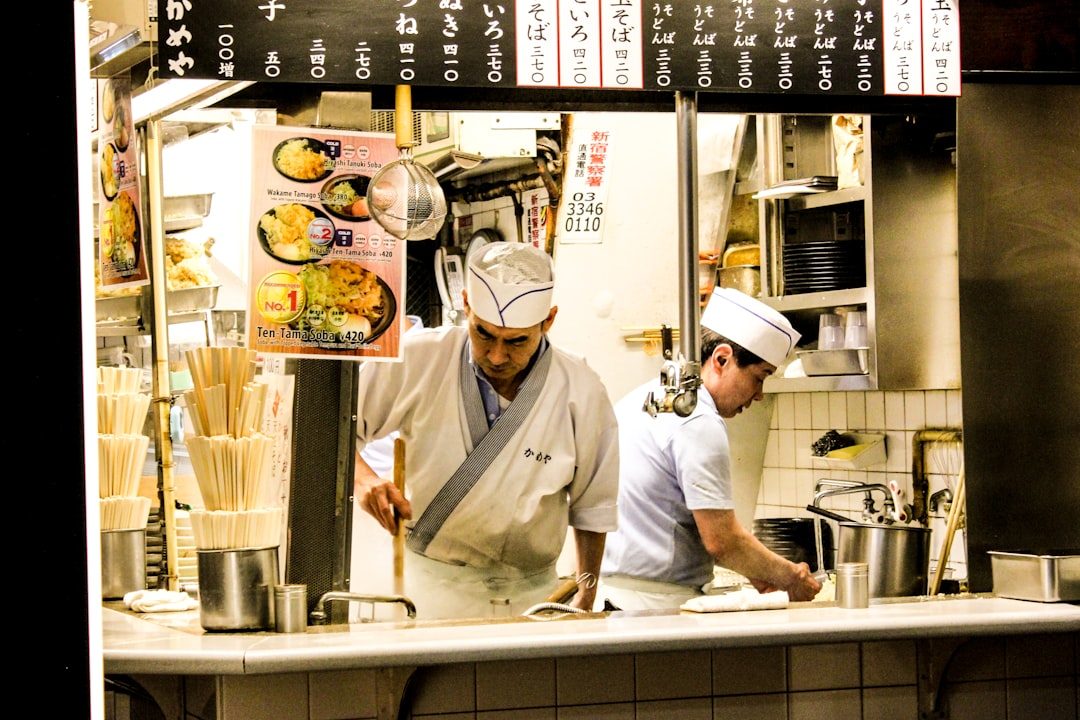
Seen in Everyday Life in Tokyo
A Real-Life Note from Japan
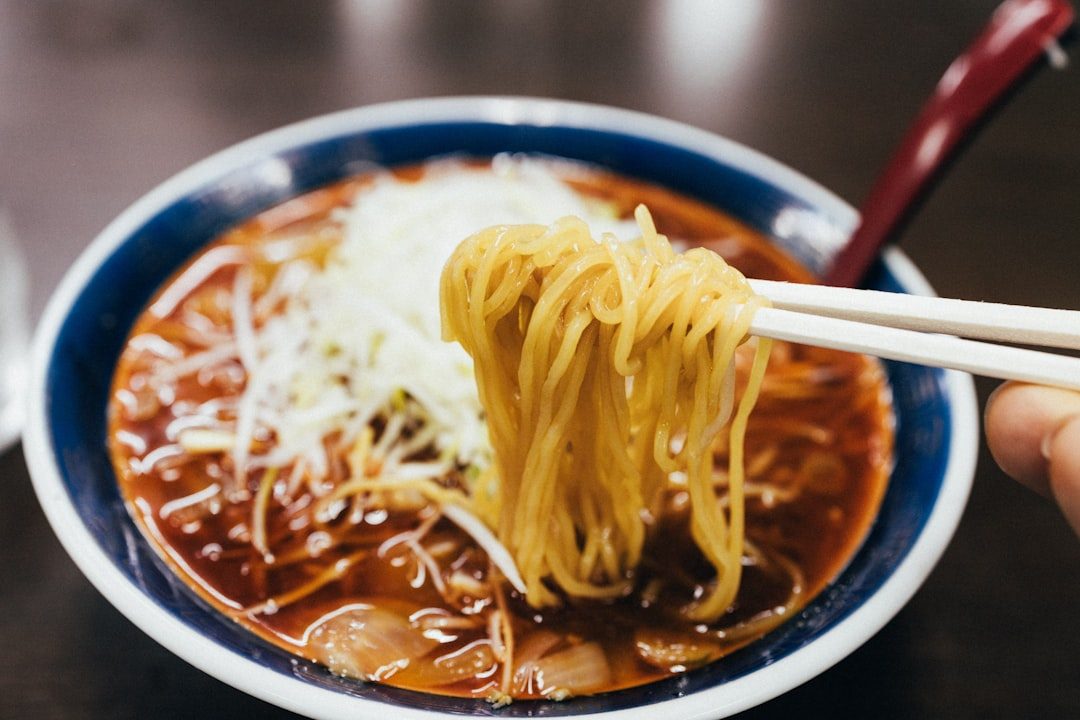
What I Often See in Japanese Stores
Is it worth buying Japanese food over cheaper alternatives?
For most use cases, yes — if you plan to use the product daily or for many years. Japanese food tend to have a longer useful lifespan, which often makes the total cost of ownership lower than a cheaper alternative replaced every 2–3 years. That said, always match the product to your actual needs.
How long do Japanese food typically last?
With proper care, quality Japanese food are designed for 10 years or more of daily use. This is not incidental — it reflects what Japanese domestic consumers expect.
Where can I buy authentic Japanese food online?
The safest options are Amazon (from the brand’s official store or well-reviewed sellers), direct brand websites, or authorised international retailers. Avoid unverified marketplace listings for high-value items.
Shop Japanese Products
If you’re inspired by what Japanese families use in this area, you can find a wide range of authentic Japanese products on Amazon:
Shop Related Japanese Products on Amazon
More From Japanese Best
Disclosure: As an Amazon Associate, Japanese Best earns from qualifying purchases. This does not affect our recommendations. We only feature products we genuinely believe are worth your consideration.
Editorial Disclaimer
The views, opinions, and recommendations in this article are the author’s own and reflect personal experience living in Japan. They do not constitute professional, financial, or purchasing advice of any kind.
Product availability, pricing, and specifications are subject to change without notice. Japanese Best makes no warranties — express or implied — regarding the accuracy or completeness of this content, and accepts no liability for any decisions made based on it. Always verify details directly with the retailer or manufacturer before purchasing.

コメント