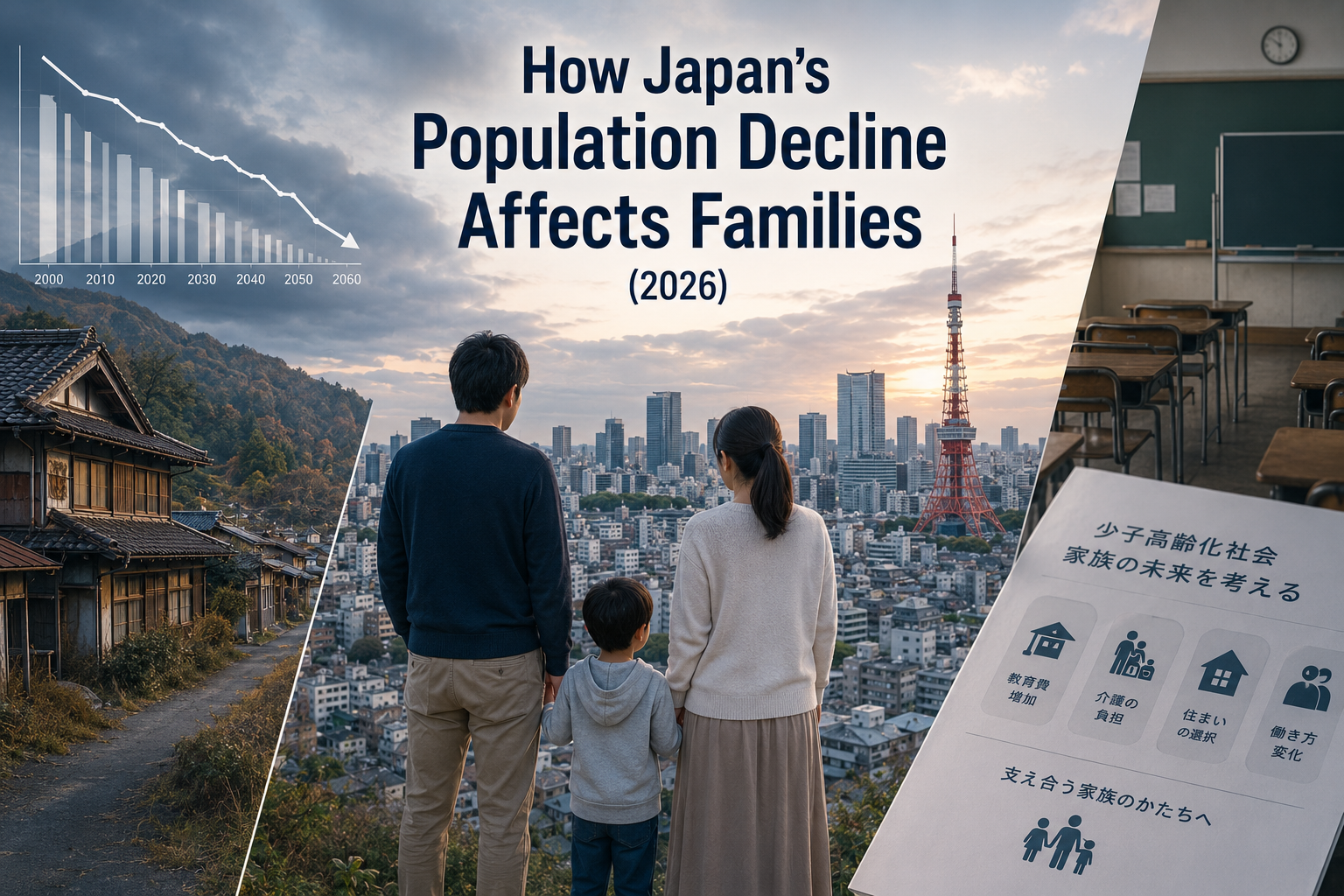
How Japan’s Population Decline Affects Families (2026)
June 28, 2026 | Trends & News | Japanese Best
Japan is facing an unprecedented demographic crisis that touches nearly every aspect of modern Japanese life—from family structures and housing decisions to education and workplace culture. With a population that has shrunk for over a decade and a median age now exceeding 48 years, the ripple effects are reshaping what it means to be a Japanese family in 2024. Understanding how families navigate this reality offers profound insights into contemporary Japan and hints at challenges other developed nations will soon face.
Quick Summary
- Japan’s population has declined by approximately 800,000 annually, forcing families to reconsider traditional structures and priorities
- Fewer children per household mean increased pressure on parents to invest heavily in each child’s education and future
- Multi-generational living arrangements are becoming more common as families pool resources and care responsibilities
- Regional depopulation is driving urban migration, particularly among young families seeking better opportunities in Tokyo and Osaka
- New products and services—from automation to elderly care solutions—are emerging to address gaps left by smaller families
The Background
Japan’s population peaked in 2008 at roughly 128 million. Today, it hovers around 125 million and continues falling. The causes are well-documented: a persistently low birth rate (currently 1.20 children per woman), delayed marriage, rising childcare costs, and changing attitudes towards parenthood—particularly among women who increasingly prioritise career development over traditional family roles.
The prefectures hit hardest include rural areas like Akita, Yamanashi, and Nagasaki, where populations have shrunk by 10–15% since 2010. Tokyo and Osaka have grown slightly, but this masks a troubling national trend. The government’s attempts to reverse the decline through subsidies—including free childcare in some regions and child allowances up to ¥100,000 monthly for families with multiple children—have had limited effect. The core issue isn’t simply affordability; it’s a fundamental shift in what Japanese people want from their lives.
How Japanese Families Are Responding
Japanese families are adapting in creative and sometimes painful ways. The concept of the “only child” is no longer exceptional; roughly 13% of Japanese families now have just one child, compared to 3% in 1980. This intensifies parental investment in that single child’s education, creating pressure around juku (cram schools) and entrance examinations that many families find exhausting.
Multi-generational housing is resurging. Rather than the post-war ideal of the nuclear family living independently, many Japanese families now include grandparents, parents, and children under one roof. This arrangement eases childcare burdens, reduces housing costs, and provides elderly care without nursing home fees. In rural areas particularly, abandoned family homes are being renovated to accommodate returning adult children who’ve moved back with their own families.
Simultaneously, young families are increasingly migrating to metropolitan areas. The promise of better schools, employment opportunities, and support networks draws families away from shrinking rural towns. This creates a vicious cycle: as young families leave, local schools close, making rural life less attractive and accelerating further emigration.
What Products and Services Are Popular Because of This
The demographic shift has spawned a booming elderly care sector. Adult incontinence products, mobility aids, and smart home monitoring systems are now mainstream purchases rather than niche items. Companies like Panasonic and Toto have invested heavily in aging-friendly bathroom fixtures and automated nursing beds. Simultaneously, childcare automation—robotic companions for elderly relatives, telehealth services linking rural families to Tokyo specialists—reflects families’ attempts to provide care across geographical distances.
For children, educational technology has exploded. Online tutoring platforms and AI-powered learning apps help single or fewer children receive personalised attention, whilst busy parents juggle work and family. You can find various educational and care-related products on Amazon that address these emerging needs, from language learning tools to health monitoring devices.
Co-living spaces and share houses have also emerged, particularly in Tokyo and Kyoto, catering to young professionals and small families seeking affordable housing and community without the isolation of traditional apartments.
What This Tells Us About Japan
Japan’s demographic crisis reveals deep truths about modern Japanese society. The resilience of family bonds—evident in multi-generational living’s resurgence—suggests that despite urbanisation and economic pressure, family remains central to Japanese identity. Yet the declining birth rate also indicates widespread ambivalence about traditional gender roles, particularly regarding women’s expectations.
The government’s inability to reverse decline through subsidies suggests that money alone cannot reshape deeply held values. Japanese women increasingly view motherhood as one option among many, not an obligation. This reflects genuine progress in women’s autonomy, but it conflicts with a nation’s demographic needs.
The regional disparity—thriving Tokyo versus emptying rural prefectures—also highlights Japan’s centralised economy and culture. Reversing this would require fundamental restructuring of employment, education, and opportunity distribution nationwide. For now, families vote with their feet, moving where prospects are brightest.
FAQ
Q: Is Japan’s population decline reversing?
A: No. Current projections suggest the population will fall to under 100 million by 2070. Recent government initiatives have had minimal impact.
Q: Are young Japanese choosing not to have children?
A: Many cite high childcare costs, work-life balance concerns, and changing priorities. It’s less a conscious rejection of parenthood and more a recalibration of life goals.
Q: How are rural communities coping?
A: Some rural towns offer incentives (free housing, relocation bonuses) to attract young families. Success is mixed, with many continuing to decline.
Q: Will this change Japanese culture?
A: Yes. Expect further shifts in family structures, gender roles, and immigration policy as Japan seeks to sustain its workforce and economy.
Japan’s population decline is not merely a statistical problem—it’s reshaping how families live, work, and envision their futures. As fewer children are born and families grow smaller and more geographically dispersed, Japanese society is experimenting with new living arrangements, support systems, and priorities. This transformation offers crucial lessons for other ageing developed nations facing similar demographic crossroads. The true measure of Japan’s response won’t be population numbers, but how gracefully and equitably families navigate this profoundly new reality.
Seen in Everyday Life in Tokyo
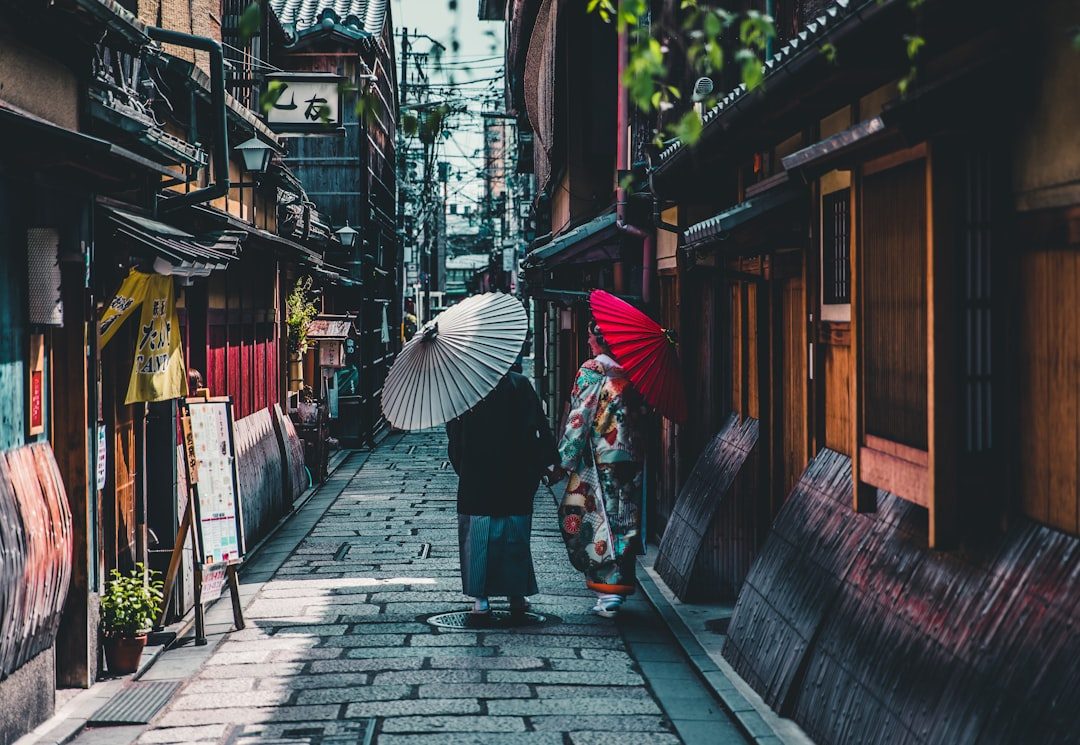
A Real-Life Note from Japan
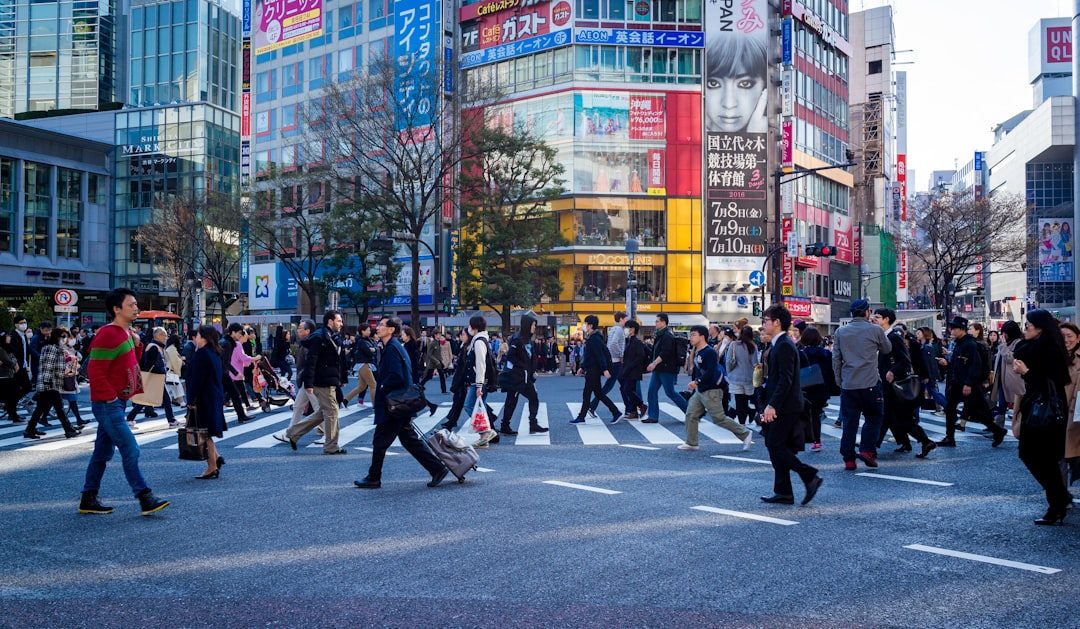
What I Often See in Japanese Stores

Is it worth buying Japanese trends over cheaper alternatives?
For most use cases, yes — if you plan to use the product daily or for many years. Japanese trends tend to have a longer useful lifespan, which often makes the total cost of ownership lower than a cheaper alternative replaced every 2–3 years. That said, always match the product to your actual needs.
How long do Japanese trends typically last?
With proper care, quality Japanese trends are designed for 10 years or more of daily use. This is not incidental — it reflects what Japanese domestic consumers expect.
Where can I buy authentic Japanese trends online?
The safest options are Amazon (from the brand’s official store or well-reviewed sellers), direct brand websites, or authorised international retailers. Avoid unverified marketplace listings for high-value items.
Shop Japanese Products
If you’re inspired by what Japanese families use in this area, you can find a wide range of authentic Japanese products on Amazon:
🛒 Shop Related Japanese Products on Amazon
More From Japanese Best
Disclosure: As an Amazon Associate, Japanese Best earns from qualifying purchases. This does not affect our recommendations. We only feature products we genuinely believe are worth your consideration.
Editorial Disclaimer
The views, opinions, and recommendations in this article are the author’s own and reflect personal experience living in Japan. They do not constitute professional, financial, or purchasing advice of any kind.
Product availability, pricing, and specifications are subject to change without notice. Japanese Best makes no warranties — express or implied — regarding the accuracy or completeness of this content, and accepts no liability for any decisions made based on it. Always verify details directly with the retailer or manufacturer before purchasing.

コメント