Japanese Meal Prep Ideas for Busy Parents
July 11, 2026 | Food | Japanese Best
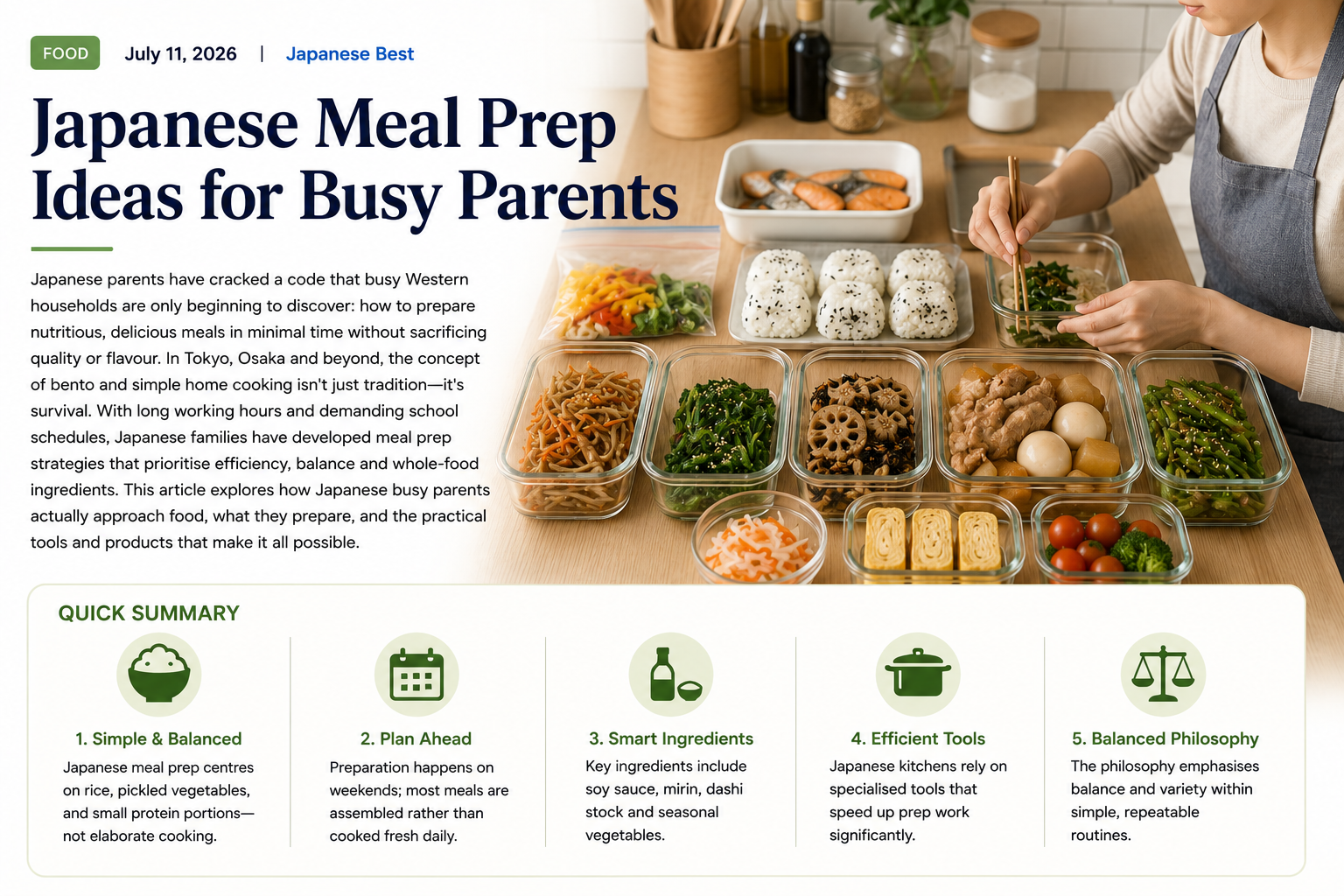
Japanese parents have cracked a code that busy Western households are only beginning to discover: how to prepare nutritious, delicious meals in minimal time without sacrificing quality or flavour. In Tokyo, Osaka and beyond, the concept of bento and simple home cooking isn’t just tradition—it’s survival. With long working hours and demanding school schedules, Japanese families have developed meal prep strategies that prioritise efficiency, balance and whole-food ingredients. This article explores how Japanese busy parents actually approach food, what they prepare, and the practical tools and products that make it all possible.
Quick Summary
- Japanese meal prep centres on rice, pickled vegetables, and small protein portions—not elaborate cooking
- Preparation happens on weekends; most meals are assembled rather than cooked fresh daily
- Key ingredients include soy sauce, mirin, dashi stock and seasonal vegetables
- Japanese kitchens rely on specialised tools that speed up prep work significantly
- The philosophy emphasises balance and variety within simple, repeatable routines
🛒 Shop Recommended Products
What Japanese Families Actually Eat
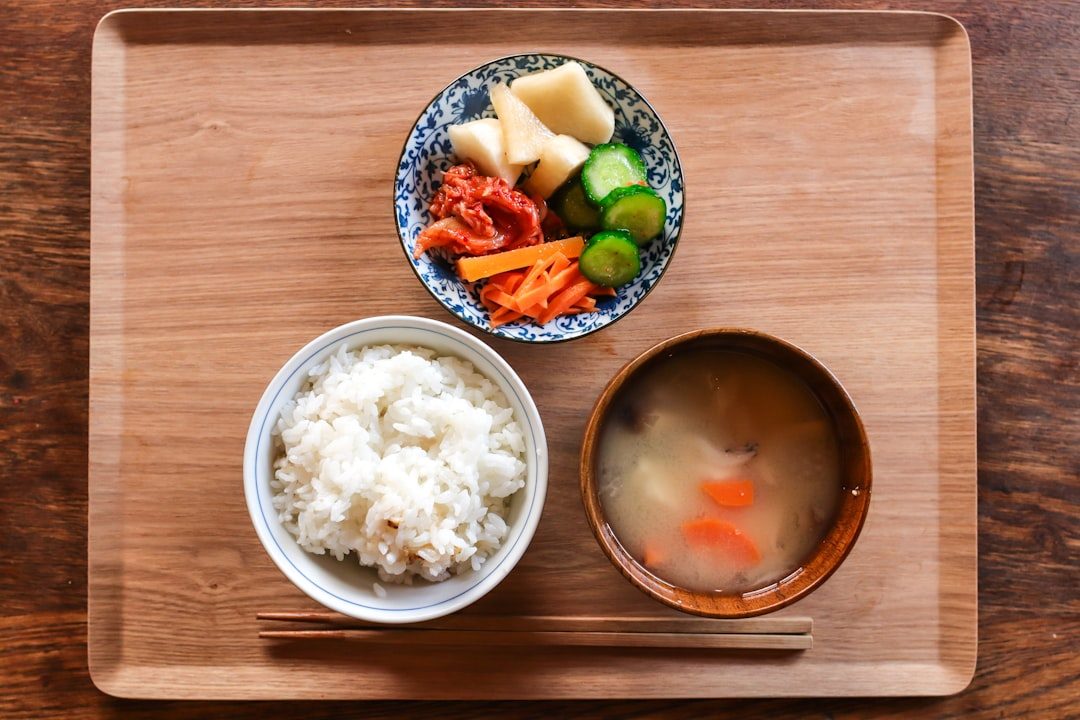
The average Japanese family’s meal prep isn’t about roasted chicken and roasted vegetables in glass containers. Instead, it’s centred on gohan (rice), a small portion of protein, and multiple small vegetable or pickled sides called okazu. This structure—a template rather than a rigid recipe—is what makes Japanese meal prep so efficient.
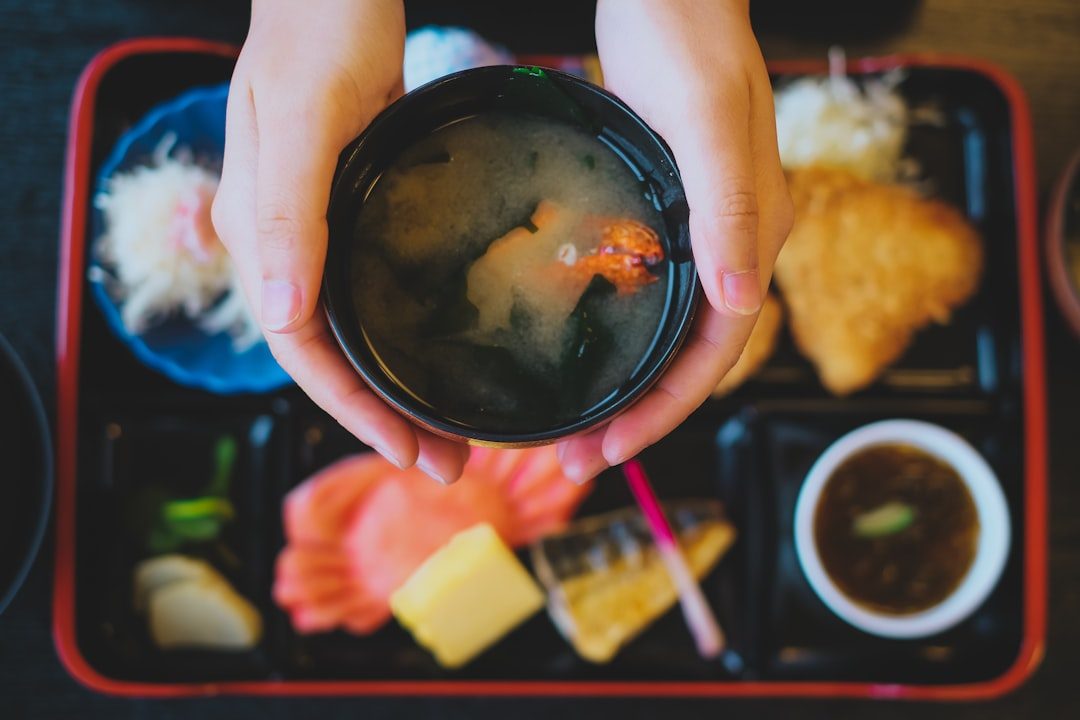
A typical bento for a schoolchild or working parent contains: steamed white or brown rice (often prepared in bulk), grilled salmon or a rolled egg (tamago), and three or four small vegetable sides. These might include tsukemono (quick pickles), blanched spinach with sesame dressing, simmered root vegetables, or seaweed salad. The portions are intentionally modest, but the variety creates satisfaction and nutritional completeness.
Japanese parents rarely cook multiple different meals. Instead, they prepare one main protein and several vegetable sides during Sunday meal prep, then mix and match throughout the week. A pot of nitsuke (simmered root vegetables) prepared on Sunday becomes Monday’s lunch side, Tuesday’s dinner accompaniment, and Wednesday’s quick snack. This approach—repeated across Japanese households—is both economical and psychologically sustainable for busy parents.
How It’s Prepared at Home
Japanese meal prep follows a distinct rhythm. Most families shop on Saturday morning at their local supermarket or shotengai (shopping street), selecting seasonal produce, fresh fish and rice. Sunday afternoon is devoted to prep: washing, cutting and cooking vegetables; preparing rice; and portioning proteins.
The cutting stage is where efficiency tools matter most. A sharp knife and a mandoline slicer transform what could be thirty minutes of tedious vegetable work into ten. Professional Japanese kitchens—and increasingly, home kitchens—use the Benriner BN-1 Japanese Mandoline Slicer to create uniform, paper-thin slices of cucumber, radish and carrot in seconds. For heavier chopping work, a quality chef’s knife is essential. The Shun Classic 8-inch Chef’s Knife combines traditional Japanese blade geometry with Western ergonomics, making it ideal for both fine mincing and robust chopping.
Rice preparation is non-negotiable. The Zojirushi NS-ZCC10 rice cooker is found in approximately seven out of ten Japanese homes. Its Neuro Fuzzy logic technology adjusts cooking time and temperature based on the rice’s moisture content, guaranteeing fluffy, consistent results every time. Parents simply rinse rice, add water, press a button, and return to other tasks. The rice stays warm for hours, ready to portion into containers throughout the week.
Most vegetables are blanched, simmered or pickled—cooking methods that preserve texture whilst reducing fresh spoilage. A typical Sunday yields five to seven prepared sides, each stored separately and combined fresh each morning.
Where to Buy the Ingredients
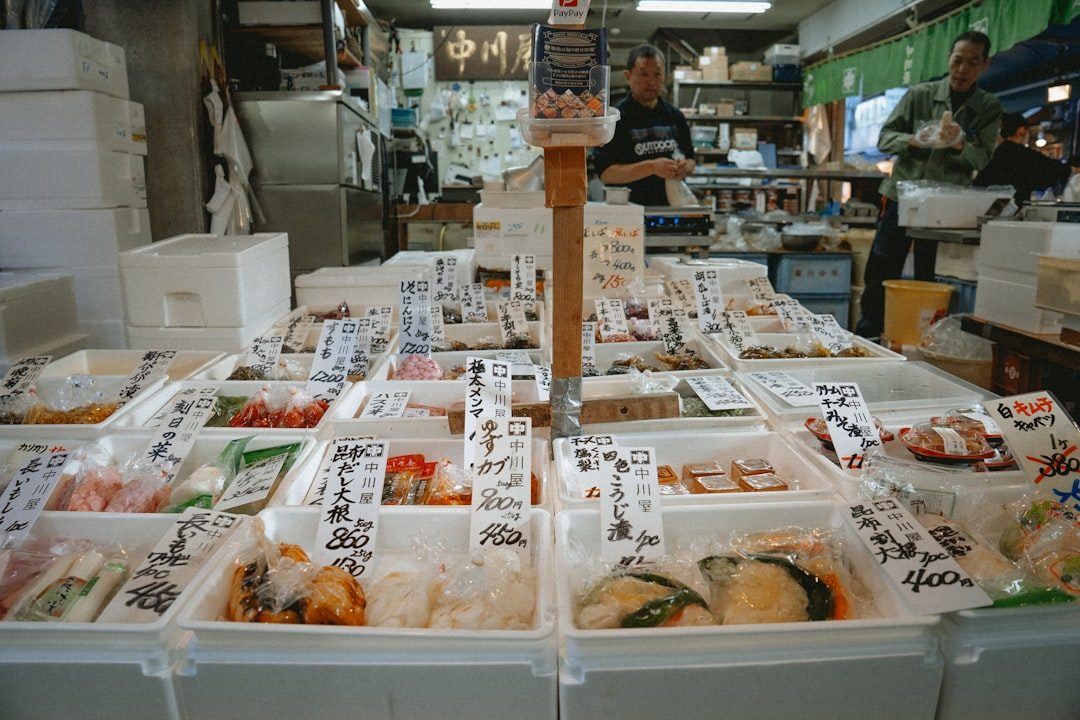
In Japan, most families shop at neighbourhood supermarkets or convenience chains like FamilyMart and 7-Eleven, which stock seasonal produce and basics affordably. A week’s worth of vegetables costs roughly ¥2,000–3,000 (£11–17). Fresh fish and proteins range from ¥800–1,500 per portion. Rice is purchased in 5kg bags for approximately ¥2,500–3,500 (£14–20).
Overseas, Japanese ingredients are increasingly available at mainstream supermarkets. For specialist items—soy sauce varieties, mirin, nori seaweed and short-grain rice—Asian grocers or online retailers offer good selection and competitive pricing. Japanese shops in London’s East End, Manchester’s Chinatown and similar urban centres stock authentic products at reasonable markups compared to online ordering.
Why Japanese People Love This Food
Japanese meal prep isn’t motivated by trendy health culture; it’s rooted in practical necessity and deep cultural values. The philosophy of kanso (simplicity) and shokunin spirit (craftsperson’s pride) means Japanese parents find satisfaction in mastering a limited repertoire rather than chasing novelty. Eating the same bento structure four days a week feels restful, not repetitive.
There’s also an aesthetic dimension. Japanese food culture emphasises colour, balance and presentation even in everyday meals. A bento with white rice, pink salmon, yellow egg, green vegetables and dark seaweed is visually complete—and children are more likely to eat from a beautiful plate. This attention to detail costs nothing extra but elevates the entire eating experience.
FAQ
How long does Japanese meal prep actually take?
Most families invest two to three hours on Sunday, producing meals for five to seven days.
Can I use Western vegetables instead of Japanese ones?
Absolutely. The principle—seasonal, local produce in small balanced portions—adapts to any cuisine.
Do Japanese parents use frozen vegetables?
Yes, increasingly so. Frozen spinach, edamame and mixed vegetables are convenient and nutritious.
What’s the best storage method?
Glass containers with tight lids, stored in the refrigerator. Most prepared sides last four to five days.
Japanese meal prep works because it prioritises rhythm, simplicity and balance over perfection or complexity. By embracing the structure that Japanese families have refined over generations—rice as anchor, vegetables as variety, protein as small accent—busy parents anywhere can reclaim time, reduce food waste and enjoy genuinely nourishing meals. Start with one Sunday session, prepare three vegetable sides and some rice, then notice how your weekday stress dissolves.
Seen in Everyday Life in Tokyo
A Real-Life Note from Japan
What I Often See in Japanese Stores
Recommended Japanese Products
The products below are directly relevant to this article and used by Japanese families.
| Product | Brand | Best For | Link |
|---|---|---|---|
| Zojirushi NS-ZCC10 | Zojirushi | Families who want reliable, consistently great rice without spending on IH | Zojirushi NS-ZCC10 |
| Shun Classic 8-inch Chef’s Knife | Shun | Home cooks who want a premium everyday chef’s knife with stunning aesthetics | Shun Classic 8-inch Chef’s Knife |
| Benriner BN-1 Japanese Mandoline Slicer | Benriner | Home cooks who want professional-speed, paper-thin slicing for salads and garnishes | Benriner BN-1 Japanese Mandoline Slicer |
Zojirushi NS-ZCC10
A beloved micom rice cooker with Neuro Fuzzy logic for consistently fluffy rice.
Best for: Families who want reliable, consistently great rice without spending on IH
🛒 Zojirushi NS-ZCC10 on Amazon
Shun Classic 8-inch Chef’s Knife
An iconic Japanese knife that marries traditional craftsmanship with a Western-style blade.
Best for: Home cooks who want a premium everyday chef’s knife with stunning aesthetics
🛒 Shun Classic 8-inch Chef’s Knife on Amazon
Benriner BN-1 Japanese Mandoline Slicer
The original Japanese mandoline — every professional kitchen in Japan has one.
Best for: Home cooks who want professional-speed, paper-thin slicing for salads and garnishes
🛒 Benriner BN-1 Japanese Mandoline Slicer on Amazon
More From Japanese Best
- What Japanese Families Eat for Dinner
- Cost of Living in Tokyo in 2025: A Real Breakdown
Disclosure: As an Amazon Associate, Japanese Best earns from qualifying purchases. This does not affect our recommendations. We only feature products we genuinely believe are worth your consideration.
Editorial Disclaimer
The views, opinions, and recommendations in this article are the author’s own and reflect personal experience living in Japan. They do not constitute professional, financial, or purchasing advice of any kind.
Product availability, pricing, and specifications are subject to change without notice. Japanese Best makes no warranties — express or implied — regarding the accuracy or completeness of this content, and accepts no liability for any decisions made based on it. Always verify details directly with the retailer or manufacturer before purchasing.

コメント