Living in Koenji Tokyo: A Practical Family Guide (2026)
June 28, 2026 | Tokyo Life | Japanese Best
Koenji sits in Tokyo’s Suginami ward like a secret that locals guard proudly—a neighbourhood that refuses to be polished into the corporate anonymity of central Tokyo. Unlike Shibuya’s relentless energy or Shinjuku’s overwhelming scale, Koenji offers something families increasingly seek: authenticity mixed with genuine affordability. The vintage shops, live music venues, and thriving arts scene sit comfortably alongside quiet residential streets where children play and elderly neighbours know each other by name. This is where real Tokyo life unfolds, and it’s become an unlikely haven for families wanting to experience Japan beyond the guidebook. Here’s what living in Koenji actually involves for a family, day to day.
Quick Summary
- Cost of living: Roughly 15–25% cheaper than Shibuya or central Shinjuku; a family three-bedroom apartment costs ¥90,000–¥130,000 monthly
- Best for families: Excellent schools, parks like Koenji Park, and pedestrian-friendly streets with minimal traffic
- Transport: Direct JR Chuo Line access to central Tokyo in 20–30 minutes; walking distance to most amenities
- Character: Bohemian, artist-driven neighbourhood with vintage culture and local community spirit
- Practicality: Strong supermarkets, medical facilities, and Japanese language schools nearby
What Makes Living in Koenji Different from the Rest of Tokyo
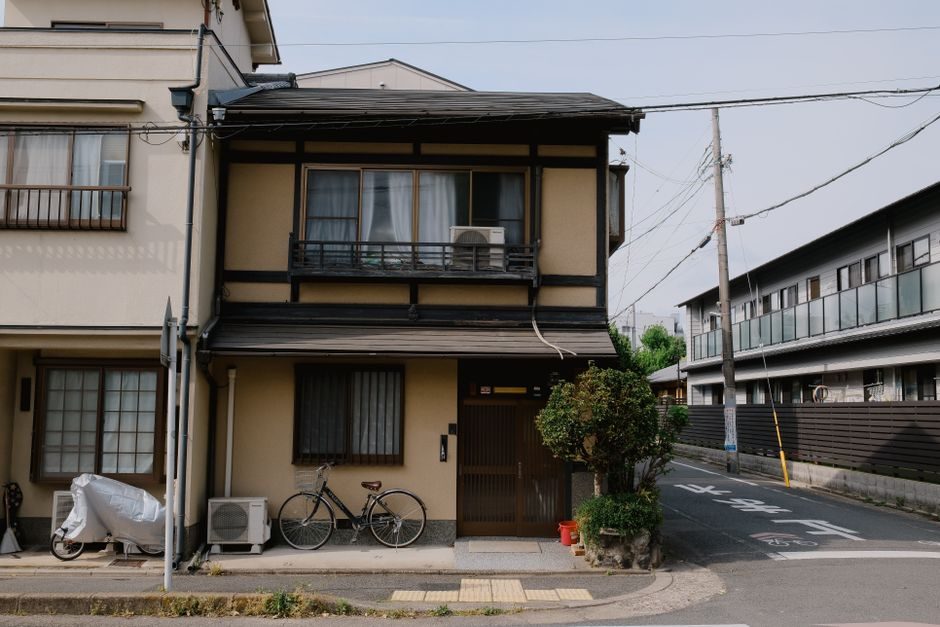
Tokyo changes personality every few train stops. Shibuya overwhelms; Harajuku performs; Shinjuku optimises. Koenji, by contrast, simply exists—it prioritises being livable over being impressive. The neighbourhood developed around its shopping street (Koenji-dori) and grew organically rather than by developer decree. This means narrow alleyways, independent restaurants, and small businesses that have occupied the same spot for decades. Parents find themselves in a neighbourhood where the greengrocer knows their vegetable preferences and the local ramen shop remembers their child’s allergy concerns.
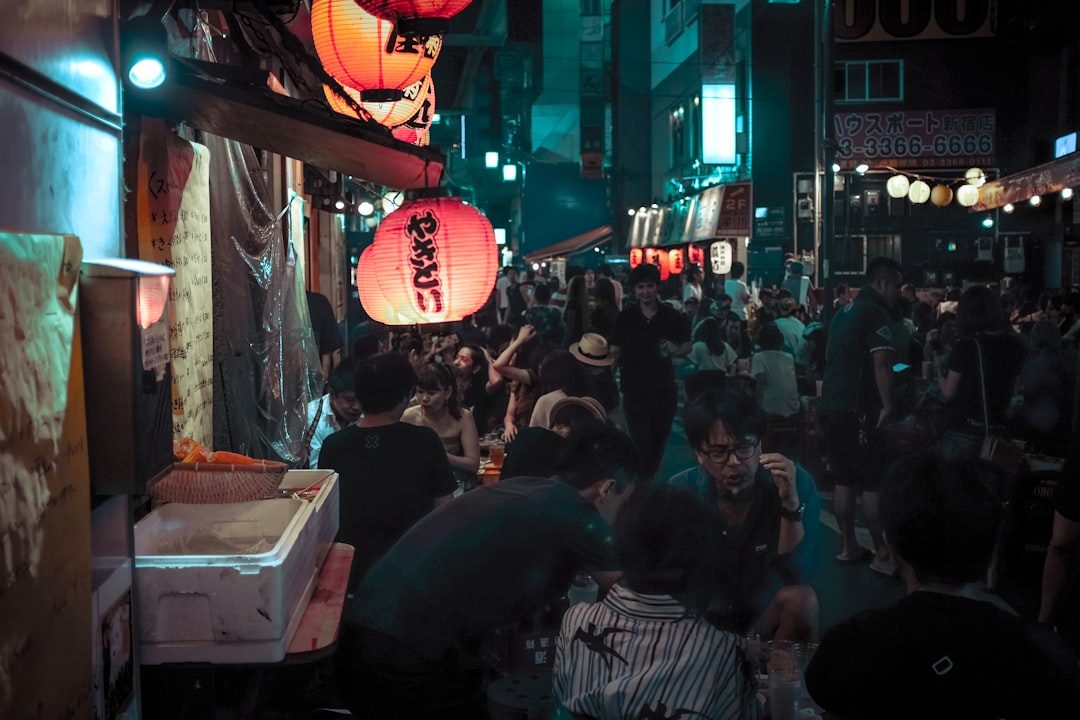
The area’s artistic reputation comes honestly. Vintage clothing shops cluster near the station—not as tourist attractions, but as genuine community resources where locals buy and sell used goods. Several live music venues operate nightly. Street festivals happen regularly, particularly the famous Awa Odori dance festival each August, when the entire neighbourhood transforms into a celebration. For families, this means cultural immersion without the orchestrated feel of Tokyo’s tourist districts. For background on the neighbourhood itself, see Wikipedia’s entry on Kōenji.
The Daily Reality: What Families Actually Experience
Your morning in Koenji starts at one of three major supermarkets: Peacock Store, Super Fuji, or Maruetsu. These aren’t fancy, but they’re reliable, reasonably priced, and staffed by people who can help you navigate Japanese packaging labels. A litre of milk costs around ¥200; a chicken breast ¥280–¥350. The shopping street (shotengai) remains vital here—fishmongers, butchers, and vegetable sellers occupy narrow stalls where haggling doesn’t happen, but friendly conversation does.
Schools are a major consideration. Koenji falls under the Suginami ward education system, which performs solidly. Public primary schools typically have 400–600 pupils, allowing for actual community connection. English language education begins in first year now, though it’s supplementary rather than immersive. International families often supplement with weekend Japanese language schools; several operate in nearby Asagaya.
Parks matter when you’re raising children. Koenji Park itself spans 7.3 hectares with playgrounds, sports facilities, and enough green space to feel like genuine escape. The Tamagawa Canal runs through the ward—a perfect cycling route for families.
Medical care is straightforward. Clinics cluster near the station; expect consultations costing ¥2,000–¥3,500. Suginami ward hospital handles serious cases. Many doctors speak basic English, and pharmacists are helpful navigators of Japanese medical bureaucracy.
Prices and Practical Details
Monthly rent for a three-bedroom apartment (2LDK or 3DK) ranges from ¥90,000 to ¥130,000, depending on proximity to the station and apartment age. A 2DK (suitable for couples) costs ¥60,000–¥85,000. Utilities add roughly ¥15,000–¥20,000 monthly. Unlike Shibuya or Minato wards, you’re not subsidising urban prestige here.
Childcare costs follow Tokyo’s means-tested system: public nurseries cost ¥20,000–¥60,000 monthly depending on household income. Waiting lists exist but remain shorter than in central wards. Private nurseries cost ¥50,000–¥150,000 monthly and accept children with less administrative delay.
The JR Chuo Line provides transport: 25 minutes to Tokyo Station, 20 minutes to Shinjuku. A monthly commuter pass (teiki) costs ¥9,280 for Koenji to Shinjuku. Buses connect to outer areas; bikes are genuinely practical here due to flat terrain and decent cycle paths.
What Locals Actually Think
Ask residents why they stay, and you’ll hear consistent themes. Parents appreciate that their children grow up seeing genuine work—the craftspeople, musicians, and shopkeepers who sustain the neighbourhood. School communities actually function as communities rather than administrative boxes. The financial breathing room matters: that money saved on rent becomes language lessons, family trips, or simply less stress.
Locals also note the neighbourhood’s resistance to homogenisation. When chain stores arrive, there’s genuine resistance. The shotengai remains viable because people actually shop there rather than reflexively visiting convenience stores. This creates friction—Koenji is less “convenient” by Tokyo standards—but families appreciate having to engage with their surroundings.
Practical Tips for New Families
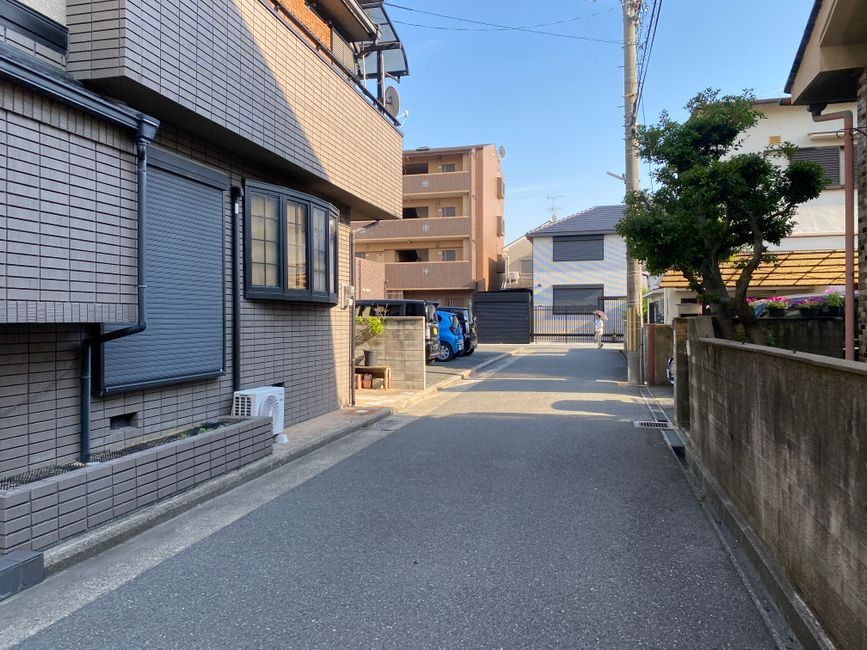
Start with a temporary apartment (weekly mansion or Airbnb) to explore before committing. Koenji’s character varies by block; proximity to the station feels urban, whilst southern areas feel residential. Visit on different days and times.
Register with the ward office (kuyakusho) immediately upon arrival; you’ll need this for schools, healthcare, and countless bureaucratic processes. Suginami ward office handles this efficiently. Bring your passport and housing contract.
Connect with parent networks early. Facebook groups like “Expats in Suginami” and “Koenji Families” provide practical advice and friendship. Local community centres (kominkan) often host free playgroups and classes.
For furnishings and children’s items, you’ll find everything from Japanese furniture and family essentials available on Amazon—useful when settling in without shipping from your home country.
FAQ
Is English spoken in Koenji?
Less than in central wards, but enough for daily life. Schools, major shops, and ward offices have English-speaking staff. Learning basic Japanese accelerates integration significantly.
How safe is Koenji for children?
Very safe. Crime rates are extremely low; children walk to school independently from age seven. The community actively looks after one another’s children.
Can we find Western groceries?
Yes, though not as prevalently as in Minato ward. A small import shop exists near the station, and online delivery services bring goods from specialty retailers.
What’s the school commute like?
Typically 10–20 minutes on foot or by bicycle. Japanese children rarely get car rides to school; walking is normal and encouraged.
Is there English-language healthcare?
Basic healthcare is manageable; serious conditions may require accessing hospitals in central Tokyo with better English provision.
Koenji represents Tokyo as it actually functions for ordinary people—not as a destination, but as a home. The neighbourhood offers genuine value for families willing to embrace Japanese daily life rather than recreate their homeland within it. Your children will grow up speaking Japanese naturally, attending community festivals, and understanding a Japan that exists beyond tourist maps.
Seen in Everyday Life in Tokyo
A Real-Life Note from Japan
What I Often See in Japanese Stores
Shop Japanese Products
If you’re inspired by what Japanese families use in this area, you can find a wide range of authentic Japanese products on Amazon:
🛒 Shop Related Japanese Products on Amazon
More From Japanese Best
Disclosure: As an Amazon Associate, Japanese Best earns from qualifying purchases. This does not affect our recommendations. We only feature products we genuinely believe are worth your consideration.
Editorial Disclaimer
The views, opinions, and recommendations in this article are the author’s own and reflect personal experience living in Japan. They do not constitute professional, financial, or purchasing advice of any kind.
Product availability, pricing, and specifications are subject to change without notice. Japanese Best makes no warranties — express or implied — regarding the accuracy or completeness of this content, and accepts no liability for any decisions made based on it. Always verify details directly with the retailer or manufacturer before purchasing.
コメント