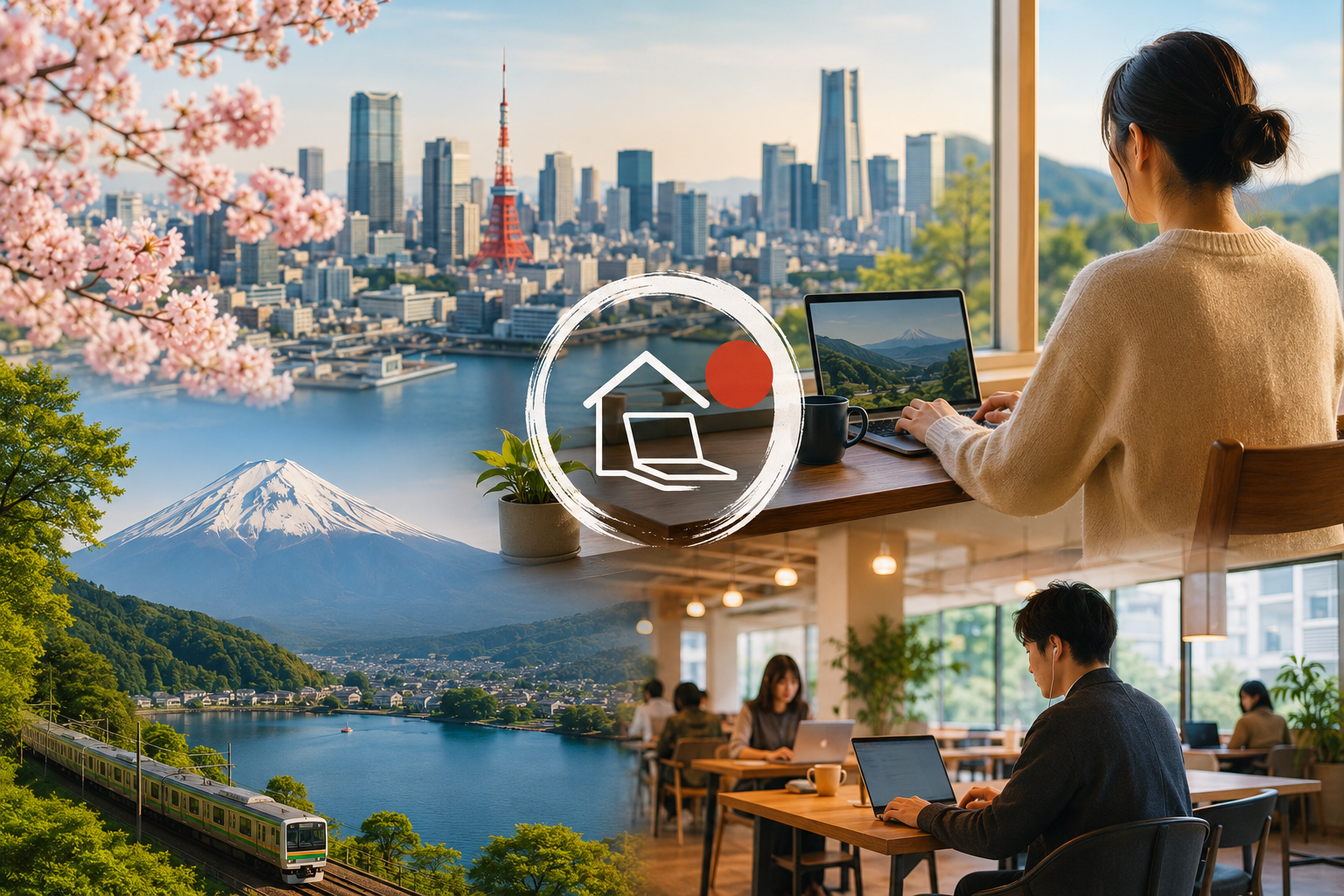
Japan Remote Work Lifestyle in 2025
June 28, 2026 | Trends & News | Japanese Best
Japan’s relationship with work has undergone a seismic shift since 2020, but 2025 marks a turning point few predicted: remote work is becoming less of a pandemic novelty and more of a lifestyle choice that’s reshaping where people live, how they spend their time, and what they expect from employment. Unlike Western countries where remote work adoption plateaued years ago, Japan is experiencing a second wave—one driven not by necessity, but by a fundamental reconsideration of quality of life. This matters because it reveals something profound about Japanese society: the decades-old salaryman model is finally, genuinely fracturing.
Quick Summary
- Major Tokyo-based companies are now offering permanent remote work arrangements, with some employees choosing to relocate to rural prefectures like Nagano and Yamanashi
- Train commutes averaging 90 minutes are being replaced by flexible schedules, fundamentally altering real estate markets across Japan
- The Japanese government’s “Digital Garden City” initiative is actively encouraging tech workers to move away from the capital
- Coworking spaces and “satellite offices” have become mainstream, particularly in secondary cities like Fukuoka and Kyoto
- This shift is revealing a deeper cultural change: younger Japanese workers are prioritising work-life balance over company loyalty for the first time in modern history
The Background
Japan’s corporate culture has historically treated the office as sacred—a physical space where loyalty, dedication, and identity were forged. The commute itself was a ritual; standing room only on the Chuo Line at 8:47 a.m. was simply part of being Japanese and employed. But three converging forces have changed this: first, the acute labour shortage affecting companies across all sectors; second, competition from foreign tech firms offering remote flexibility; and third, generational shift among workers aged 25–40 who witnessed their parents sacrifice health and relationships for corporate loyalty.
By 2025, companies like Rakuten and Fujitsu have extended remote work from temporary measure to permanent policy. Crucially, this isn’t framed as a perk anymore—it’s competitive necessity. Smaller regional firms in Hiroshima and Nagoya have discovered they can recruit top talent from Tokyo without relocation costs. The government’s “Digital Garden City” initiative, launched in 2022, now includes ¥100 billion in subsidies for companies moving employees to regional areas. This infrastructure support has made remote work not just possible, but economically rational.
How Japanese Families Are Responding
The human reality is perhaps more telling than corporate policy. Families in Tokyo’s outer wards and Kanagawa prefecture are making active choices to relocate. A software engineer working for a Shibuya-based fintech company might now live in Karuizawa, Nagano—famous for skiing and mountain air—while maintaining Tokyo salary levels. Schools in rural prefectures report increasing enrolments from families seeking lifestyle changes. Parents cite not just commute times but air quality, space for children, and access to nature as reasons.
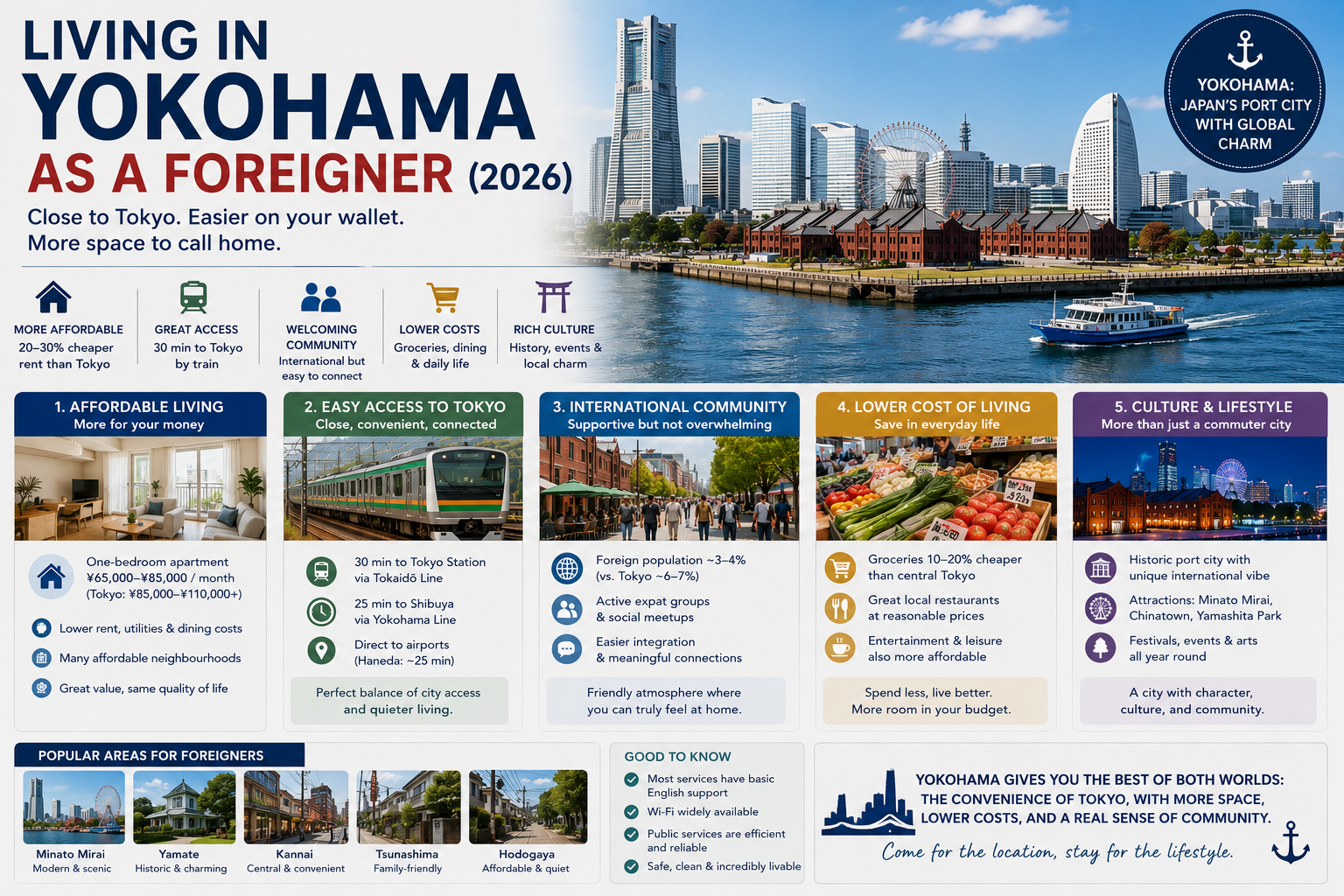
Weekend patterns have shifted visibly. Rather than the traditional Saturday shopping in Shinjuku, remote workers use flexibility to spend time in their local communities. Coffee culture in smaller cities has boomed; a café in Takayama, Gifu now caters to laptop workers throughout the week. Generational differences matter: workers over 50 remain sceptical of remote work’s compatibility with “proper” company culture, while those under 35 view it as non-negotiable. Housing costs remain prohibitive for some—a three-bedroom home in rural Yamanashi might cost ¥25 million versus ¥60 million in Yokohama—but the calculation now includes lifestyle value that previous generations never factored in.
What Products and Services Are Popular Because of This
High-speed internet infrastructure has become genuinely competitive. Companies like NURO and Docomo are expanding gigabit fibre coverage to rural areas specifically to capture remote workers relocating from cities. Home office equipment has become mainstream; Japanese furniture retailers now stock standing desks and ergonomic chairs that barely existed five years ago. More tellingly, “third place” venues have proliferated: coworking spaces in Fukuoka, Kyoto, and even smaller cities like Kanazawa now operate as professional hubs, replacing the traditional office commute with flexible, community-based work environments.
Regional public transport has adapted remarkably. Shinkansen subscription services now offer unlimited monthly passes for remote workers commuting between home prefectures and occasional Tokyo office days. Mental health and wellness services have expanded significantly, reflecting recognition that isolation—a real concern for remote workers—requires attention. Fitness studios and outdoor recreation providers in regional areas have seen substantial growth.
What This Tells Us About Japan
This shift exposes a profound generational fracture in Japanese values. The salaryman model—where identity, social status, and personal worth were inseparable from company affiliation and physical presence—is being consciously rejected by younger workers. Yet this isn’t Western-style “quiet quitting”; rather, it’s Japanese workers redefining what loyalty means: staying with an employer whilst refusing to surrender personal life for corporate presence.
The government’s enthusiastic support reveals something equally significant: Japan recognises that Tokyo-centric concentration is unsustainable economically and demographically. Rural depopulation has been catastrophic; remote work offers a bottom-up solution. When a family relocates from Chiyoda ward to Komoro, Nagano, they’re not just changing address—they’re redistributing economic activity, supporting local schools, and partially reversing decades of rural decline.
Culturally, this normalisation of flexibility challenges the consensus-oriented conformity Japan is famous for. Choosing personal wellbeing over company expectations, even whilst remaining employed, represents a quiet revolution in how Japanese people understand obligation and self.
FAQ
Is remote work actually permanent in Japan, or temporary?
Major companies have committed to permanent policies, though most require occasional office attendance (typically one week monthly). However, enforcement varies significantly.
Are salaries affected if you move away from Tokyo?
Rarely. Most companies maintain Tokyo salary scales regardless of location, making regional relocation economically advantageous.
What’s the reception in traditional industries?
Manufacturing and construction remain office-centric, but finance, IT, and media have embraced remote work substantially.
Are there tax implications for remote workers relocating?
Yes. Relocating to a different prefecture can affect local tax rates and resident status. Professional advice is essential.
The Japan of 2025 is quietly rewriting its relationship with work. Remote work isn’t just a logistics change—it’s the visible symptom of deeper transformation in how Japanese workers, particularly younger generations, define success, belonging, and a life well-lived.
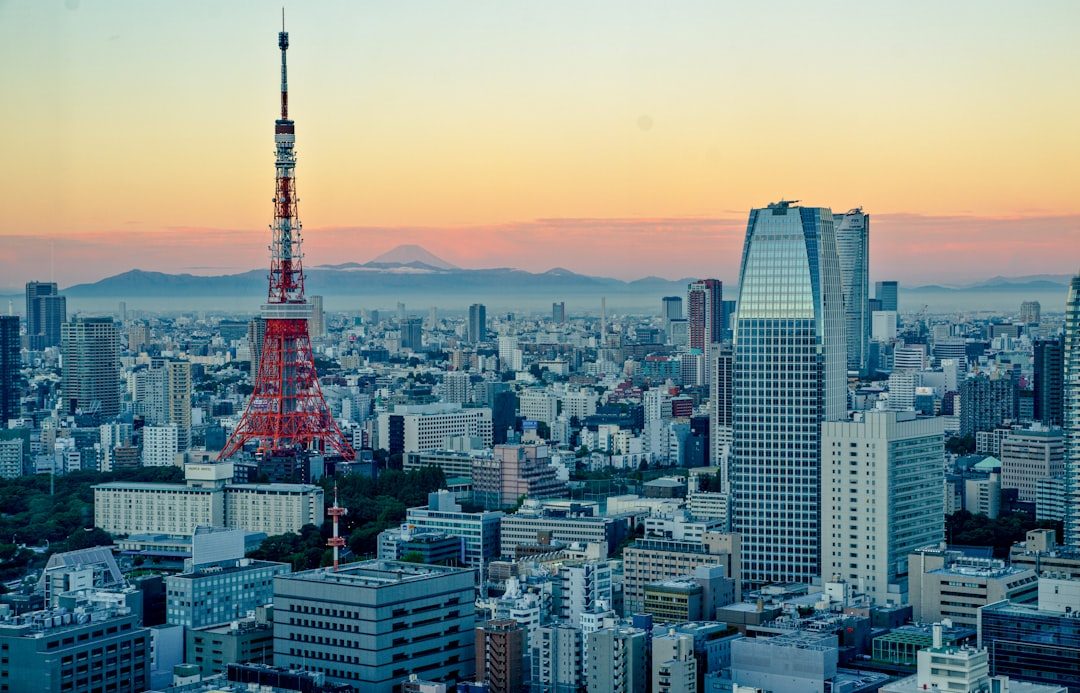
Seen in Everyday Life in Tokyo
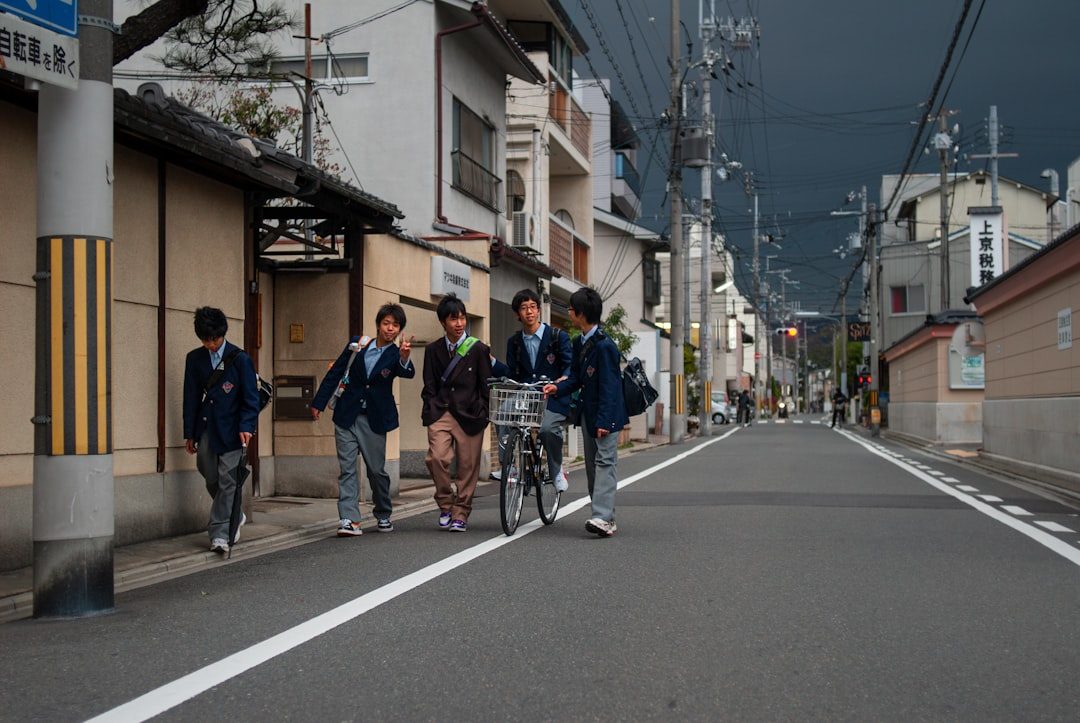
A Real-Life Note from Japan
What I Often See in Japanese Stores
Is it worth buying Japanese trends over cheaper alternatives?
For most use cases, yes — if you plan to use the product daily or for many years. Japanese trends tend to have a longer useful lifespan, which often makes the total cost of ownership lower than a cheaper alternative replaced every 2–3 years. That said, always match the product to your actual needs.
How long do Japanese trends typically last?
With proper care, quality Japanese trends are designed for 10 years or more of daily use. This is not incidental — it reflects what Japanese domestic consumers expect.
Where can I buy authentic Japanese trends online?
The safest options are Amazon (from the brand’s official store or well-reviewed sellers), direct brand websites, or authorised international retailers. Avoid unverified marketplace listings for high-value items.
Shop Japanese Products
If you’re inspired by what Japanese families use in this area, you can find a wide range of authentic Japanese products on Amazon:
Shop Related Japanese Products on Amazon
More From Japanese Best
Disclosure: As an Amazon Associate, Japanese Best earns from qualifying purchases. This does not affect our recommendations. We only feature products we genuinely believe are worth your consideration.
Editorial Disclaimer
The views, opinions, and recommendations in this article are the author’s own and reflect personal experience living in Japan. They do not constitute professional, financial, or purchasing advice of any kind.
Product availability, pricing, and specifications are subject to change without notice. Japanese Best makes no warranties — express or implied — regarding the accuracy or completeness of this content, and accepts no liability for any decisions made based on it. Always verify details directly with the retailer or manufacturer before purchasing.
コメント