Outlet Mall Shopping in Japan: What to Expect (2026)
June 28, 2026 | Shopping | Japanese Best
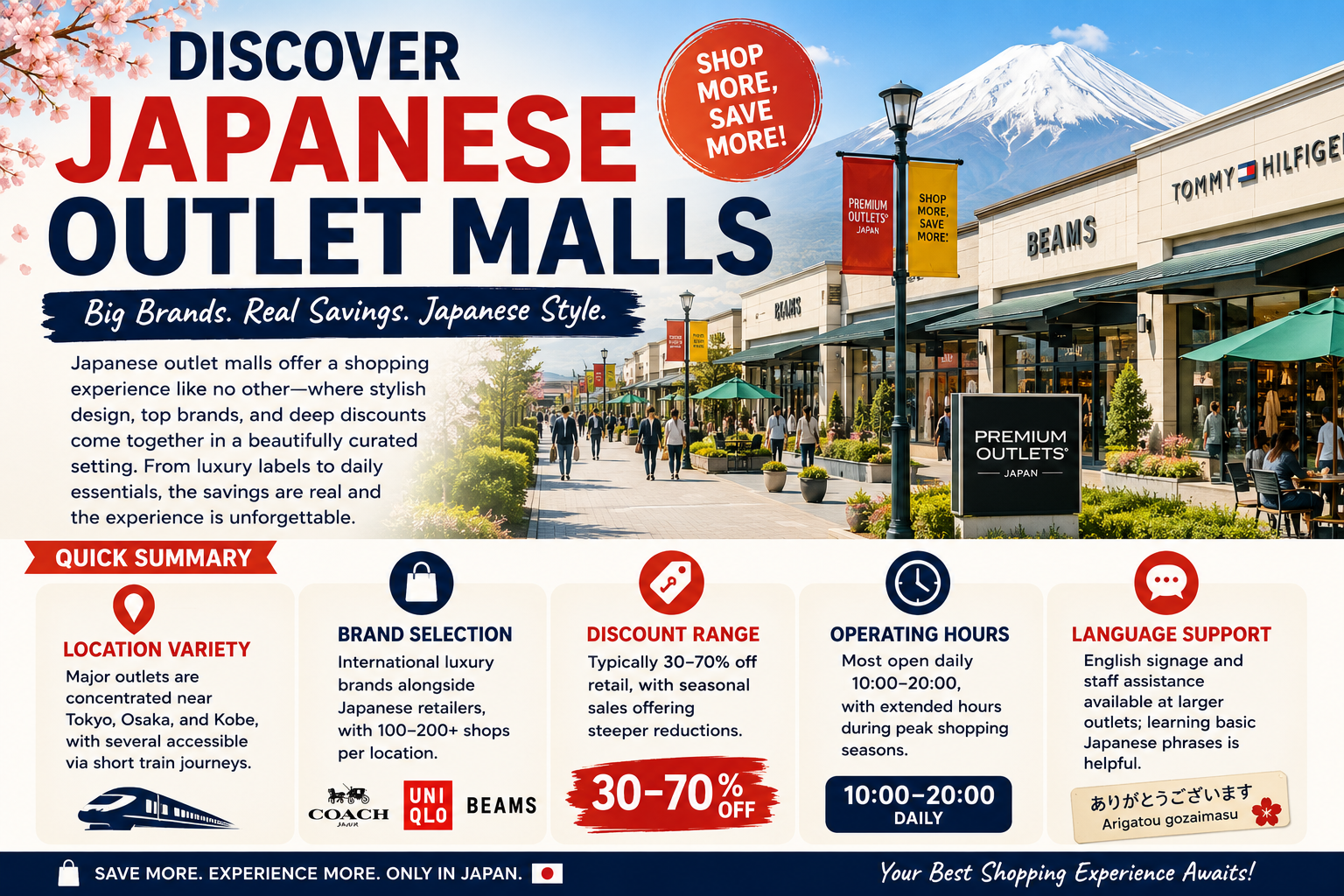
Japanese outlet malls represent a uniquely appealing shopping experience—part cultural phenomenon, part bargain hunter’s paradise. Unlike their Western counterparts, which often feel like stripped-down warehouse spaces, Japanese outlet malls blend sleek design, impeccable organisation, and genuine savings with an authentic sense of place. Whether you’re visiting Japan or shopping online for Japanese brands, understanding how these spaces work will help you unlock significant discounts on everything from designer handbags to everyday basics. The outlet mall culture here reflects Japan’s broader retail philosophy: quality matters, presentation matters, and the customer experience matters—even when prices are reduced. Here’s what outlet mall shopping in Japan actually looks like in practice.
Quick Summary
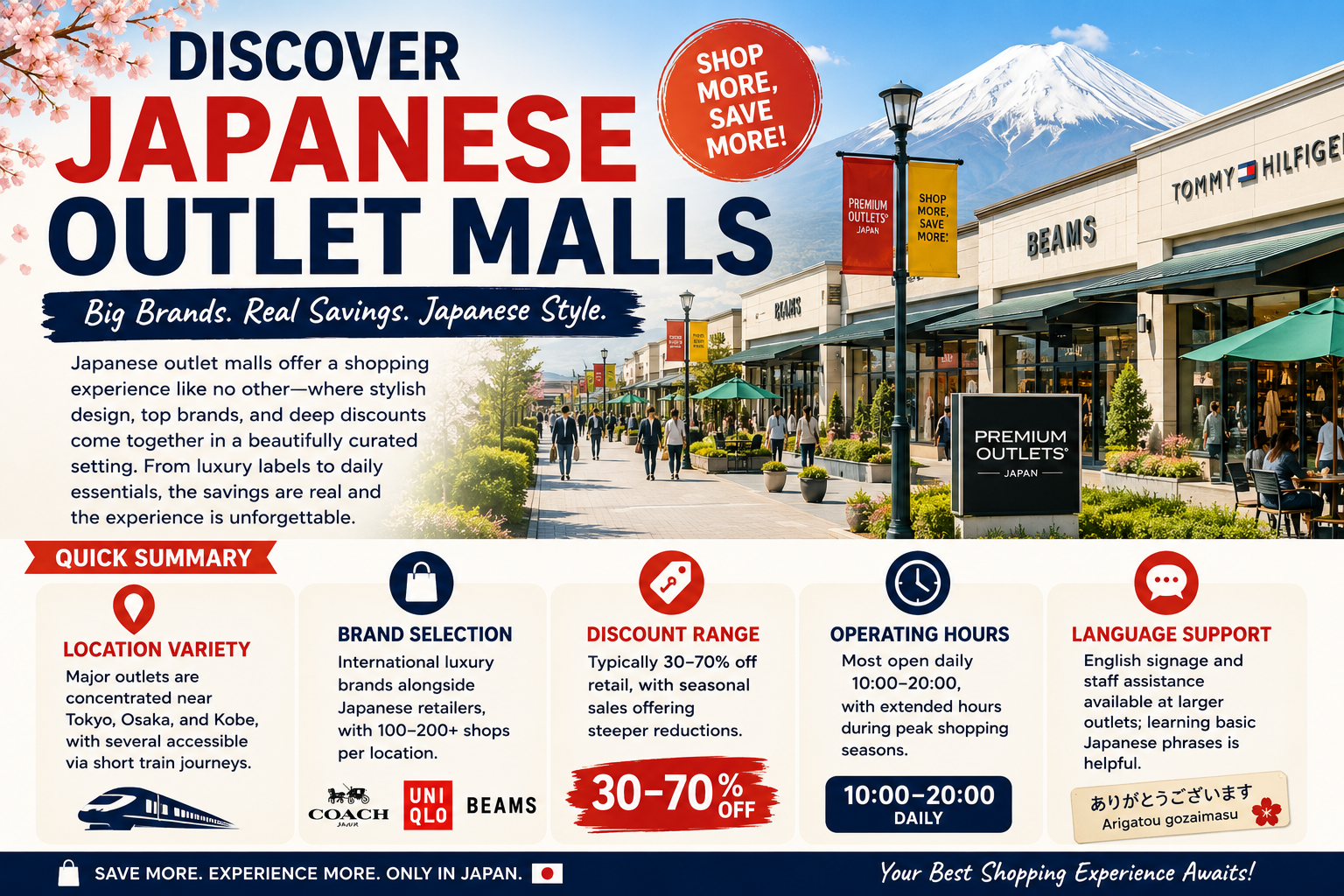
- Location variety: Major outlets are concentrated near Tokyo, Osaka, and Kobe, with several accessible via short train journeys
- Brand selection: International luxury brands alongside Japanese retailers, with 100–200+ shops per location
- Discount range: Typically 30–70% off retail, with seasonal sales offering steeper reductions
- Operating hours: Most open daily 10:00–20:00, with extended hours during peak shopping seasons
- Language support: English signage and staff assistance available at larger outlets; learning basic Japanese phrases is helpful
What Makes Outlet Mall Shopping in Japan Different
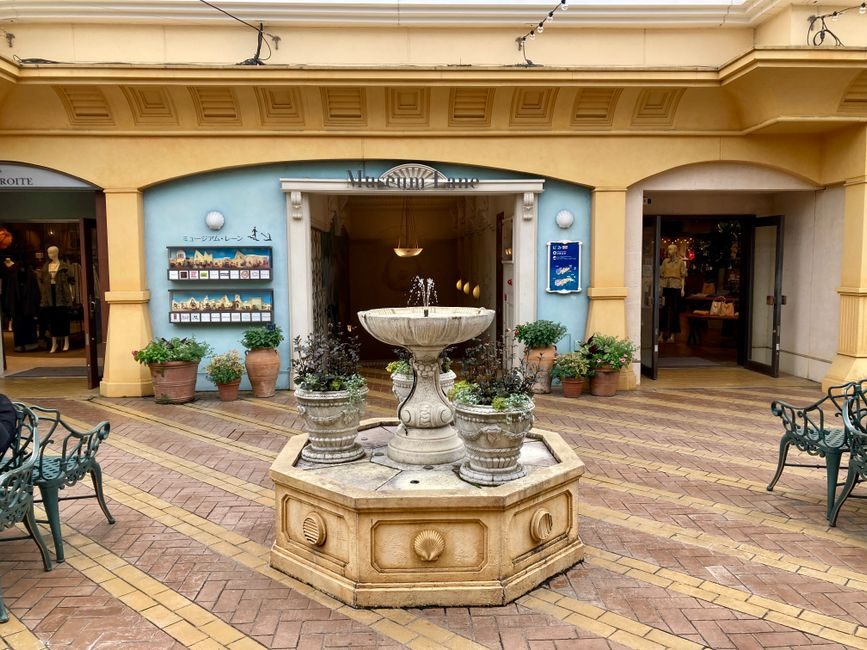
Japanese outlet malls, or アウトレット (auto retto), function with a distinctly Japanese sensibility. They’re not hidden away on industrial estates; they’re destination experiences. Premium outlets like Mitsui Outlet Park and Rinkai outlets sit within carefully landscaped settings, often featuring restaurants, cafés, and entertainment zones. The stores themselves are spacious and well-lit, with attentive staff—even at discounted retailers. You’ll notice immaculate window displays, organised fitting rooms, and zero pressure sales tactics. The Japanese retail principle of omotenashi (wholehearted hospitality) applies here too. Cleanliness is non-negotiable; you won’t find damaged packaging or picked-over stock. Staff wear uniforms, greet customers consistently, and assist in multiple languages at popular outlets. This attention to detail means shopping feels premium regardless of the discount price. For background on the format itself, see factory outlet shops.
What You’ll Find Inside
Expect a mix of international luxury brands and Japanese high street names under one roof. Brands like Coach, Michael Kors, Nike, and Adidas sit alongside Japanese favourites such as Uniqlo, Beams, and Muji—though Muji stores rarely discount significantly. Department store concessions feature brands like CK Calvin Klein and Tommy Hilfiger. Larger outlets stock 150–250 stores; smaller ones around 80–120. Food courts and cafés are standard, often serving reasonably priced Japanese and Western options. Many outlets include beauty counters (Shiseido, SK-II), electronics sections, and home goods. Seasonal inventory matters: spring brings new summer collections; autumn features winter stock. Stock levels vary by location and season. The most popular outlets—like Gotemba Premium Outlets near Mount Fuji or Rinkai Yokohama—attract queues during sale seasons (January and July), so visiting on weekdays or outside peak periods yields a better experience.
Best Things to Buy
Outlet shopping makes most sense for specific categories. Designer handbags, wallets, and accessories offer genuine 40–60% reductions. Japanese skincare and cosmetics, particularly Shiseido and lesser-known brands, sell at significant discounts. Clothing from international brands justifies the trip; jeans, trainers, and outerwear often cost 35–50% less than department stores. Japanese sportswear brands like Asics and Mizuno are excellent value. Casual Japanese brands—think Beams, United Arrows, and Nano Universe—offer quality basics at reduced prices. Home goods, particularly kitchenware and tableware from Japanese brands, represent excellent value. One smart tip: purchase duty-free if you’re a non-resident; outlets process tax-free shopping efficiently. Electronics and cosmetics are where savings are most noticeable. Avoid outlet shopping for items where Japanese retail already undercuts Western pricing, like basic Uniqlo basics or items nearing end-of-life cycles.
Prices and Value
Discount percentages typically range from 30–70%, depending on brand and season. A Coach handbag marked ¥25,000 (down from ¥40,000) represents reasonable savings. Nike trainers drop from ¥15,000 to ¥8,000–10,000. Japanese beauty products like Shiseido masks cost ¥3,000–5,000 (30% off retail). During January and July sales, reductions deepen further, though selection dwindles. Smaller, less-known Japanese brands often discount more aggressively than luxury names. Currency exchange rates affect value for international visitors; when sterling is strong against the yen, savings feel more substantial. Plan strategically: tax-free purchases for tourists add another 8% in value. Compare prices mentally against your home country’s retail—sometimes outlet prices still exceed UK high street costs for mainstream brands. The real value lies in exclusive colours, seasonal items, and Japanese brands unavailable abroad.
Tips for Getting the Most Out of It
Arrive early on weekdays to avoid crowds and access full size ranges. Many outlets operate shuttle buses from major train stations; check beforehand—Gotemba runs free buses from Mishima Station. Bring a small trolley or reusable bag; stores provide carriers, but comfortable footwear matters more after hours of walking. Download outlet apps or check their websites for exclusive coupons; some offer ¥500–1,500 vouchers for first-time visitors. Tax-free shopping requires your passport and minimum purchase (usually ¥5,000–10,000). Plan visits around sale seasons unless you enjoy crowds. Many outlets validate parking for three hours free; factor in driving time from city centres. Fitting rooms are usually efficient, but peak times (Saturday afternoons) mean queues. Bring cash; whilst most stores accept cards, smaller boutiques within outlets sometimes prefer yen notes. Research which outlets stock your preferred brands beforehand—not all outlets carry identical retailers.
Related Japanese Shopping Experiences
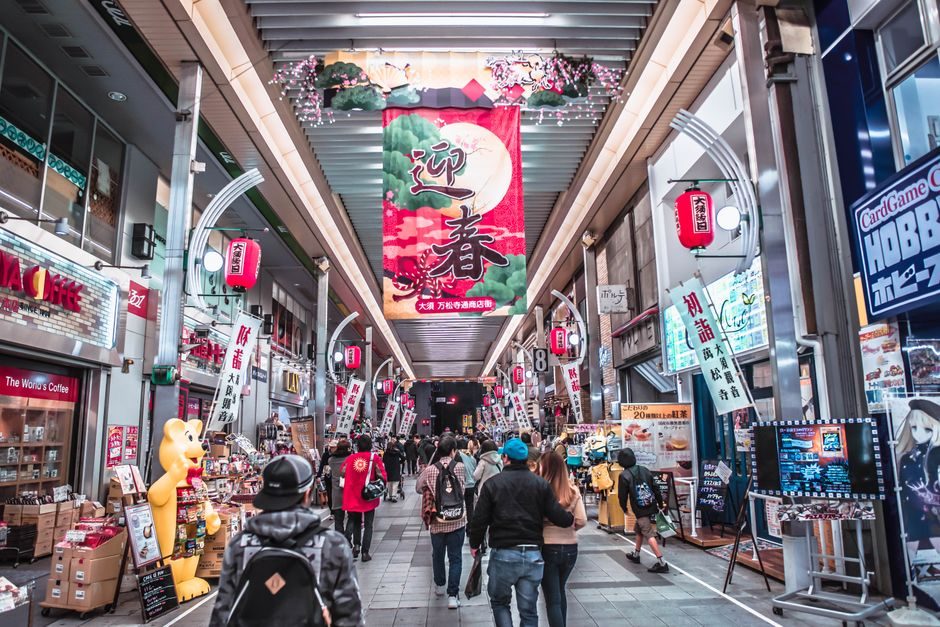
If outlet shopping appeals, exploring Japan’s broader retail landscape enhances your understanding. Department store basements (depachika) sell premium food and gifts. Vintage districts like Shimokitazawa in Tokyo offer curated secondhand Japanese fashion. Shopping streets such as Takeshita-dori in Harajuku showcase contemporary Japanese retail culture, whilst neighbourhood shopping arcades (shotengai) reveal authentic local shopping. You might also find Japanese shopping guides and resources on Amazon covering broader retail experiences across Japan.
Frequently Asked Questions
Can I return items purchased at outlet malls? Most outlets honour returns within 7–14 days with receipts and unworn items in original packaging. Policies vary by store and brand.
Are outlet mall prices cheaper than online Japanese retailers? Not always. Compare with sites like Rakuten and Yahoo Shopping; sometimes online pricing is comparable or better, particularly outside sale seasons.
Which outlet mall is easiest to reach from Tokyo? Gotemba Premium Outlets (90 minutes by car) and Rinkai Yokohama (30 minutes by train) are most accessible.
Do outlet stores stock the same brands as regular shops? Yes, but with previous season collections and exclusive outlet-only items. Ranges differ slightly.
Is haggling expected? No. Japanese retail culture doesn’t involve negotiation; prices are fixed and final.
Japanese outlet malls offer a genuinely rewarding shopping experience that combines accessible pricing with Japan’s characteristic retail excellence. Whether you’re hunting designer bargains, stocking up on skincare, or simply enjoying a day out, these spaces deliver value without compromising on quality or presentation. The experience itself—immaculate surroundings, helpful staff, and well-curated selections—justifies the visit even before you consider the discounts.
Seen in Everyday Life in Tokyo
A Real-Life Note from Japan
What I Often See in Japanese Stores
Shop Japanese Products
If you’re inspired by what Japanese families use in this area, you can find a wide range of authentic Japanese products on Amazon:
🛒 Shop Related Japanese Products on Amazon
More From Japanese Best
Disclosure: As an Amazon Associate, Japanese Best earns from qualifying purchases. This does not affect our recommendations. We only feature products we genuinely believe are worth your consideration.
Editorial Disclaimer
The views, opinions, and recommendations in this article are the author’s own and reflect personal experience living in Japan. They do not constitute professional, financial, or purchasing advice of any kind.
Product availability, pricing, and specifications are subject to change without notice. Japanese Best makes no warranties — express or implied — regarding the accuracy or completeness of this content, and accepts no liability for any decisions made based on it. Always verify details directly with the retailer or manufacturer before purchasing.
コメント