Japanese Daycare (Hoikuen) System Explained (2026)
June 28, 2026 | Parenting | Japanese Best
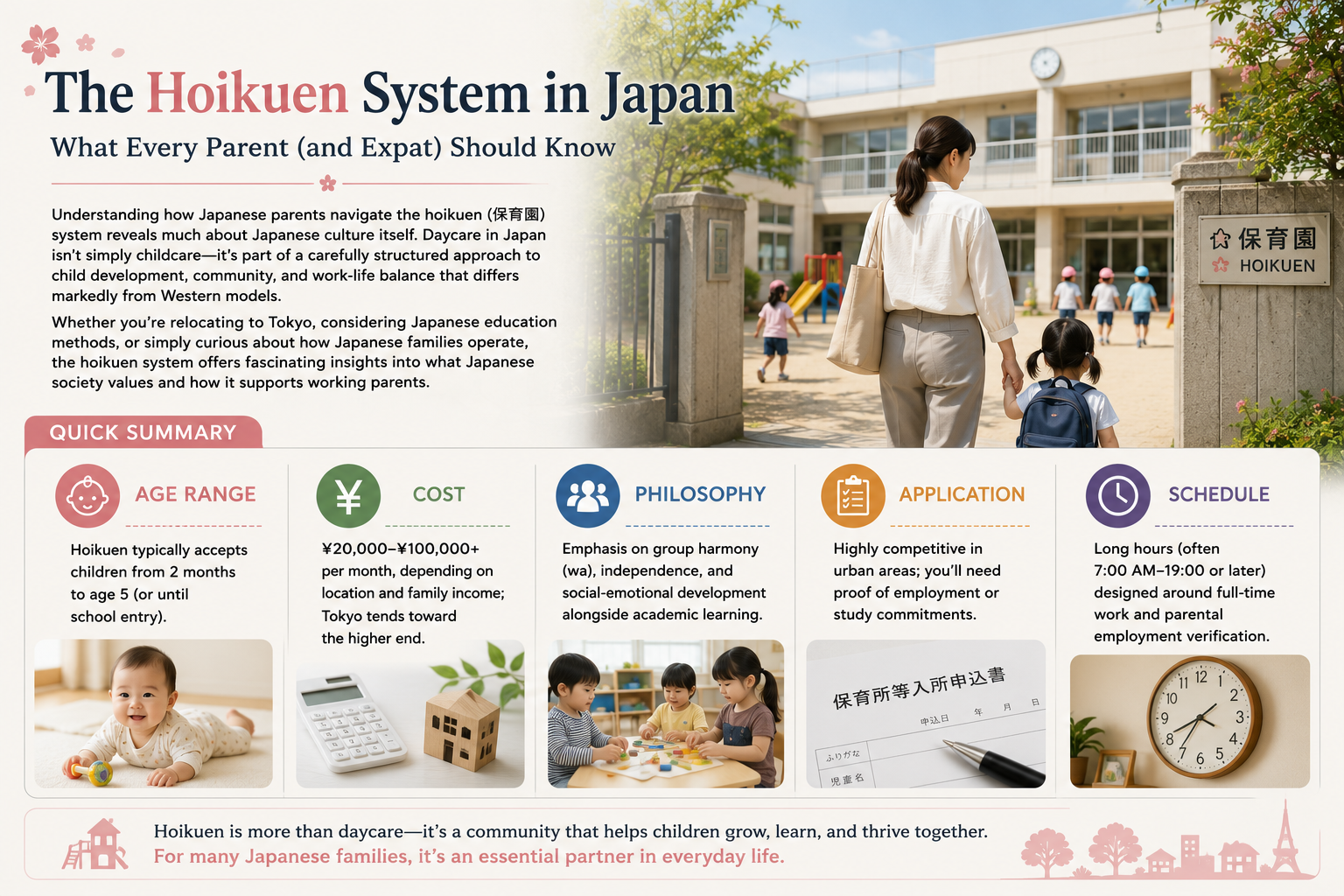
Understanding how Japanese parents navigate the hoikuen (保育園) system reveals much about Japanese culture itself. Daycare in Japan isn’t simply childcare—it’s part of a carefully structured approach to child development, community, and work-life balance that differs markedly from Western models. Whether you’re relocating to Tokyo, considering Japanese education methods, or simply curious about how Japanese families operate, the hoikuen system offers fascinating insights into what Japanese society values and how it supports working parents.
Quick Summary
- Age range: Hoikuen typically accepts children from 2 months to age 5 (or until school entry)
- Cost: ¥20,000–¥100,000+ per month, depending on location and family income; Tokyo tends toward the higher end
- Philosophy: Emphasis on group harmony (wa), independence, and social-emotional development alongside academic learning
- Application: Highly competitive in urban areas; you’ll need proof of employment or study commitments
- Schedule: Long hours (often 7:00 AM–19:00 or later) designed around full-time work and parental employment verification
🛒 Shop Recommended Products
How Japanese Parents Approach This
Japanese parents view hoikuen as essential infrastructure for workforce participation, particularly for mothers. Childcare isn’t framed as luxury or convenience—it’s a recognized necessity for dual-income households. The application process requires documented proof that both parents work or study full-time. This formal gatekeeping reflects Japan’s philosophy that hoikuen exists specifically to enable employment, not general childcare.
Parents expect hoikuen to teach discipline, respect for rules, and group consciousness alongside play and learning. The typical Japanese parent views the hoikuen staff as partners in child-rearing, not substitute carers. Regular communication through “renraku chou” (連絡帳)—dedicated communication notebooks passed between home and school daily—keeps parents informed about their child’s eating, sleep, mood, and social interactions. Many parents attend monthly meetings and help with school events. This collaborative approach means parents remain deeply involved despite full-time work commitments.
What Japanese Kids Experience
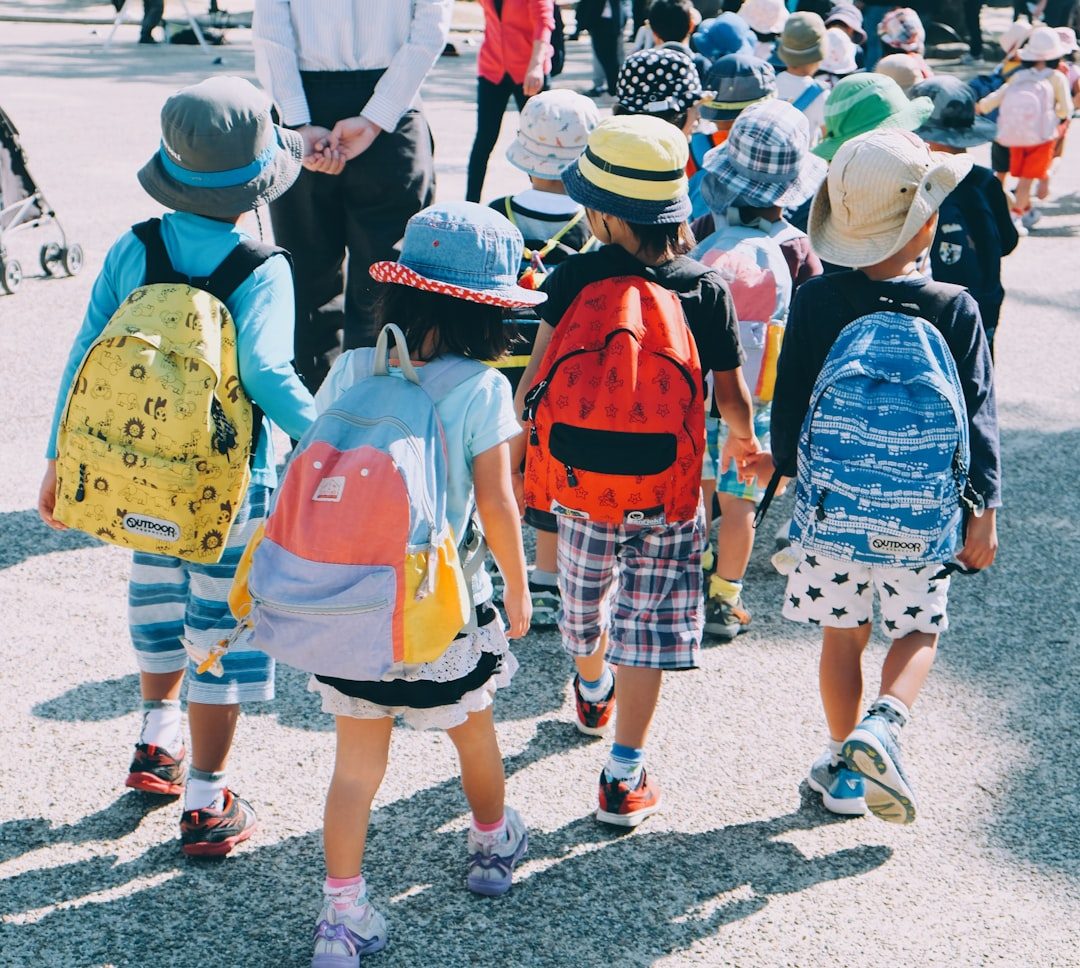
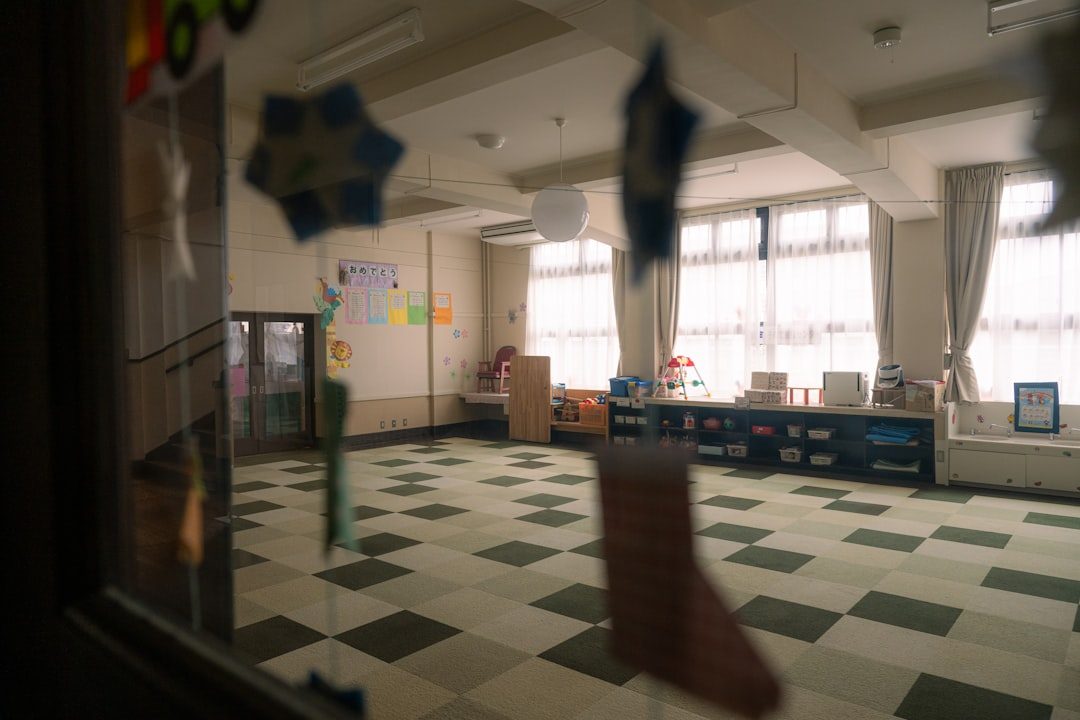
From age 2 onwards, Japanese children in hoikuen experience highly structured days centred on routine, group activities, and social development. A typical day includes arrival time, breakfast, outdoor play, structured activities (arts, music, movement), lunch, nap time, and free play before departure. Teachers emphasise waiting your turn, listening to instructions, and contributing to group harmony rather than individual achievement.
The environment encourages independence within structure. Two-year-olds learn to remove their own shoes, use toilet facilities with supervision, and follow simple instructions. Outdoor time is prioritised regardless of weather—rain or cold doesn’t cancel outdoor activities, building resilience and connection to nature. Art and music are frequent but often group-focused rather than individual expression. By age 4–5, children engage in simple academic preparation: counting, letter recognition, and writing practice. Many parents note that their children return home with marked progress in social skills, discipline, and emotional regulation.
At School vs At Home
The contrast between hoikuen behaviour and home behaviour often surprises parents. Children who sit quietly at school listening attentively may become boisterous and demanding at home. This split is entirely normal in Japanese culture and reflects the distinction between public (tatemae) and private (honne) behaviour. Teachers expect compliance and restraint; at home, children release accumulated energy.
Japanese parents typically maintain more structure at home than their Western counterparts. Meal times, bath times, and bedtimes follow consistent schedules. Even young children understand that certain behaviours are appropriate for school and others for home. Parents rarely view this as hypocrisy—it’s seen as teaching children social awareness. Home routines include teaching children to write their names and numbers, often with erasable pens like the Pilot FriXion Clicker 0.5mm, which allows children to practise without fear of making permanent mistakes. Many families also incorporate simple homework and reading time from age 4 onwards.
Real-Life Examples from Tokyo
In central Tokyo wards like Minato and Chiyoda, hoikuen demand far exceeds supply. Parents register children within weeks of birth, and acceptance depends largely on parental employment status and ward lottery systems. A typical hoikuen in Roppongi or Azabu costs ¥80,000–¥100,000 monthly for children over age 3, though the Tokyo Metropolitan Government subsidises fees for qualifying families.
One Tokyo mother, Yuki, described her experience: “I was shocked by the application process. They needed my employment contract, my husband’s contract, and proof we both work over 30 hours weekly. Without that, our daughter wouldn’t have been accepted.” Her daughter attended a hoikuen in Minato-ku from age 1.5 to 5, returning home around 18:30 most days. Yuki packed a bento using a Zojirushi Stainless Lunch Jar to keep meals hot without microwaving. Another parent, Hiroshi, noted that his son’s hoikuen in Shibuya held monthly sports days and seasonal festivals requiring parental attendance—missing these events would be socially awkward.
How This Compares to Western Parenting
Western daycare often prioritises individual development, choice, and creativity. Japanese hoikuen prioritises group harmony, discipline, and social competence. Where Western educators might encourage a child to “express themselves” during art time, Japanese teachers guide children toward group projects and established techniques. This isn’t cold or restrictive—it reflects genuine cultural values about how children become functional members of society.
Cost structures differ markedly. American daycare averages $1,000–$2,000 monthly; Tokyo hoikuen costs ¥20,000–¥100,000 (roughly £120–£600). The Japanese government subsidises hoikuen heavily, particularly for lower-income families, treating it as essential infrastructure. British nurseries typically operate 8:00 AM–18:00 with holiday closures; Japanese hoikuen often run 7:00 AM–19:00 with minimal closures, designed around parental work schedules. Parent involvement expectations also differ—Japanese parents attend regular meetings and events; Western parents often have minimal contact with staff.
FAQ
Q: Can expat families access hoikuen?
A: Yes, though international families sometimes face language barriers and cultural adjustment periods. Many hoikuen in Tokyo accept English-speaking families. Residency requirements vary by ward.
Q: What if both parents work irregular hours?
A: Hoikuen prioritises stable employment. Shift work or irregular schedules may make acceptance difficult. Some private facilities offer more flexibility than municipal hoikuen.
Q: When does formal schooling begin?
A: Kindergarten (yochien) or primary school begins at age 6, after hoikuen. Some children transition directly to primary school; others attend a final year of yochien.
Q: What should children bring daily?
A: Most hoikuen provide detailed lists: change of clothes, nappies/pull-ups, personal items, and lunch boxes. A Zebra Sarasa Clip 0.5mm pen is perfect for writing children’s names on belongings—fast-drying, reliable, and beloved by Japanese schools.
The Japanese hoikuen system reflects a society that has consciously designed childcare to support workforce participation while maintaining cultural values around discipline, community, and social harmony. For parents considering Japan or simply curious about alternative approaches to early childhood, hoikuen offers valuable lessons about structure, consistency, and genuine partnership between families and educators.
Seen in Everyday Life in Tokyo
A Real-Life Note from Japan
What I Often See in Japanese Stores
Is it worth buying Japanese parenting over cheaper alternatives?
For most use cases, yes — if you plan to use the product daily or for many years. Japanese parenting tend to have a longer useful lifespan, which often makes the total cost of ownership lower than a cheaper alternative replaced every 2–3 years. That said, always match the product to your actual needs.
How long do Japanese parenting typically last?
With proper care, quality Japanese parenting are designed for 10 years or more of daily use. This is not incidental — it reflects what Japanese domestic consumers expect.
Where can I buy authentic Japanese parenting online?
The safest options are Amazon (from the brand’s official store or well-reviewed sellers), direct brand websites, or authorised international retailers. Avoid unverified marketplace listings for high-value items.
Related Japanese Products
The products below came up naturally in the context of this article. We only recommend items that genuinely connect to the topic.
| Product | Brand | Best For | Amazon |
|---|---|---|---|
| Pilot FriXion Clicker 0.5mm | Pilot | Students, planners, and anyone who needs flexibility to correct mistakes | Search on Amazon |
| Zebra Sarasa Clip 0.5mm | Zebra | Students and office workers who write quickly and need fast-drying ink | Search on Amazon |
| Zojirushi Stainless Lunch Jar (Bento Box) | Zojirushi | Office workers and students who want hot lunches without needing a microwave | Search on Amazon |
Pilot FriXion Clicker 0.5mm
The world’s bestselling erasable pen — writes like a smooth gel but rubs out cleanly with heat.
Best for: Students, planners, and anyone who needs flexibility to correct mistakes
Zebra Sarasa Clip 0.5mm
Japan’s favourite everyday gel pen — fast-drying, smooth, and available in gorgeous colours.
Best for: Students and office workers who write quickly and need fast-drying ink
Zojirushi Stainless Lunch Jar (Bento Box)
Japan’s most reliable insulated bento jar — keeps lunch hot for hours without a microwave.
Best for: Office workers and students who want hot lunches without needing a microwave
More From Japanese Best
Disclosure: As an Amazon Associate, Japanese Best earns from qualifying purchases. This does not affect our recommendations. We only feature products we genuinely believe are worth your consideration.
Editorial Disclaimer
The views, opinions, and recommendations in this article are the author’s own and reflect personal experience living in Japan. They do not constitute professional, financial, or purchasing advice of any kind.
Product availability, pricing, and specifications are subject to change without notice. Japanese Best makes no warranties — express or implied — regarding the accuracy or completeness of this content, and accepts no liability for any decisions made based on it. Always verify details directly with the retailer or manufacturer before purchasing.
コメント