How to Choose a Japanese Lunch Box (Bento Box) (2026)
June 28, 2026 | Kitchen Tools | Japanese Best
The ritual of packing lunch in Japan is more than mere convenience—it’s an art form rooted in centuries of culinary tradition. Whether you’re preparing obento for work, school, or a weekend picnic, your choice of bento box shapes how you eat, what you prepare, and how food tastes by midday. For those living in Japan or fascinated by Japanese food culture, understanding how to select the right japanese lunch box transforms lunchtime from mundane to genuinely enjoyable.
Quick Summary
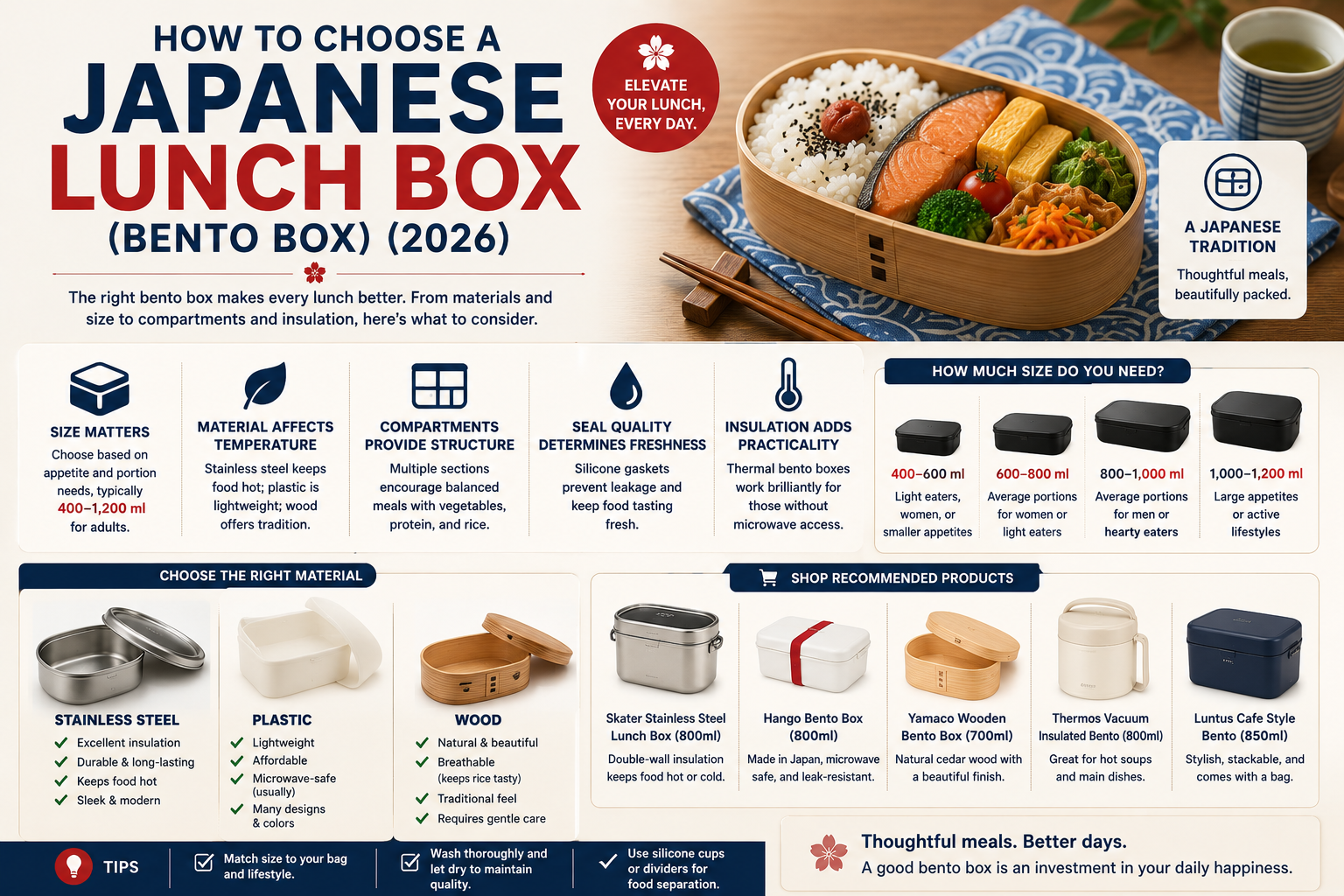
- Size matters: Choose based on appetite and portion needs, typically 400–1,200 ml for adults
- Material affects temperature: Stainless steel keeps food hot; plastic is lightweight; wood offers tradition
- Compartments provide structure: Multiple sections encourage balanced meals with vegetables, protein, and rice
- Seal quality determines freshness: Silicone gaskets prevent leakage and keep food tasting fresh
- Insulation adds practicality: Thermal bento boxes work brilliantly for those without microwave access
🛒 Shop Recommended Products
What a Japanese Lunch Box Really Is
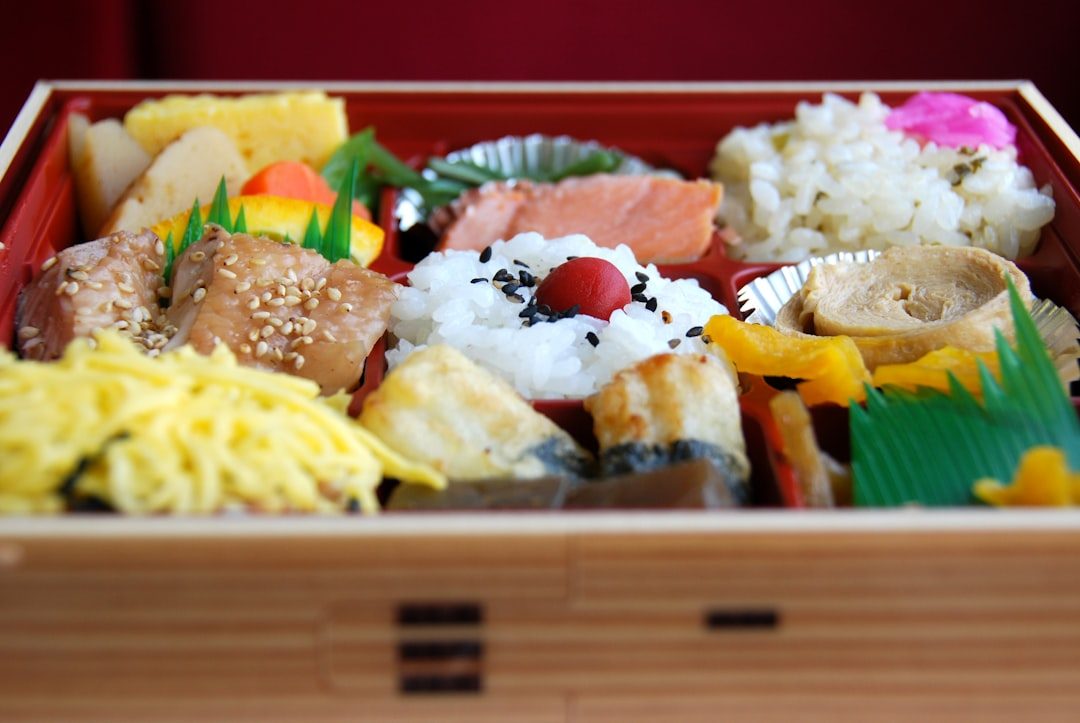
A bento box isn’t simply a lunch container—it’s a philosophy of eating made tangible. In Japan, the bento represents balance: proportion, nutrition, aesthetic appeal, and respect for ingredients. The word itself dates to the 16th century, though the practice of compartmentalising meals existed for centuries before.
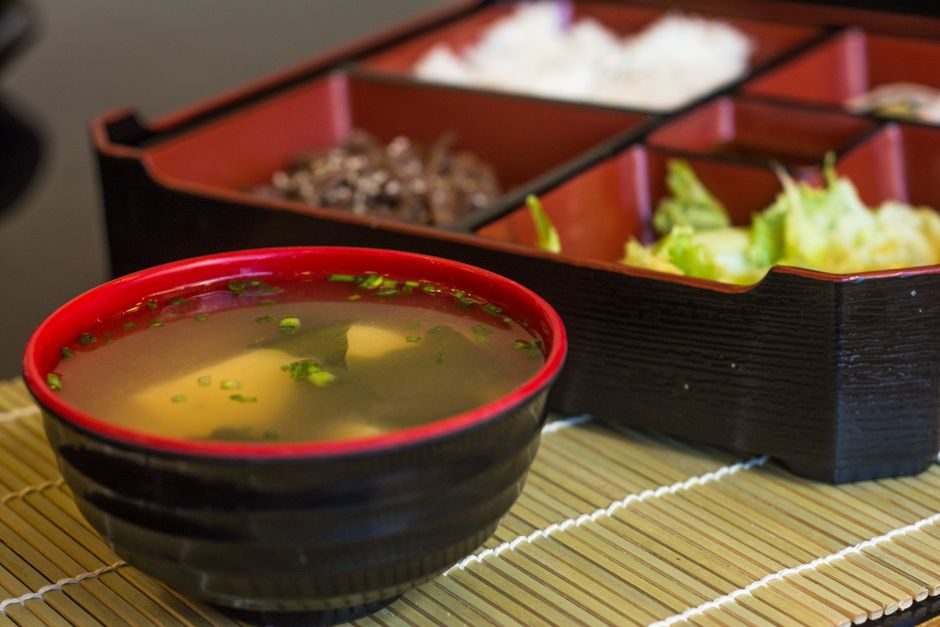
The typical Japanese bento divides food into distinct sections, each holding different components. This isn’t arbitrary. Each compartment prevents flavours from mixing, keeps wet ingredients away from dry ones, and makes meals psychologically satisfying through visual variety. When you walk past a bento-ya (bento shop) in Osaka or Tokyo, you’ll notice immediately how colours are arranged—red tomato, green cucumber, white rice, golden egg. This aesthetic principle, called shikisai (colour coordination), is fundamental to how Japanese people conceptualise a proper meal. For more on the tradition’s history, see Wikipedia’s entry on bento.
Key Factors When Choosing
Capacity and portion size should reflect your needs. A child’s bento typically holds 400–500 ml, whilst an office worker might prefer 800–1,000 ml. Japanese portion culture generally favours smaller, more frequent eating, so you might be surprised how satisfying a 600 ml box feels after a few weeks of adjustment.
Material choice dramatically affects your experience. Plastic is lightweight and affordable (₥800–2,000), perfect for beginners or children. Stainless steel retains temperature better and lasts decades (₥3,000–8,000), making it ideal for hot lunch requirements. Wooden boxes (wappa) offer authentic charm but require hand-washing and careful maintenance.
Seal quality prevents the devastating scenario of lunch leaking into your bag. Look for boxes with double silicone gaskets and sturdy latches, not flimsy clips. Poor sealing ruins not only clothing but the entire lunchtime experience.
Compartmentation ranges from simple single layers to intricate five-section designs. More compartments demand more preparation skill, but they enable genuinely balanced meals—something Japanese parents take seriously.
Types Explained
Single-tier plastic boxes suit beginners or casual users. They’re affordable, durable, and dishwasher-safe. Japanese brands like Takenaka dominate this category, with designs holding 500–750 ml.
Two-tier stainless steel boxes (magewappa style) represent the middle ground—practical insulation without expense. Many Japanese office workers use these daily.
Thermal insulated boxes by brands like Zojirushi keep meals hot for 4–5 hours without a microwave. This matters enormously in Japan, where many workplaces lack kitchen facilities. The Zojirushi Stainless Lunch Jar remains Japan’s most trusted option, priced around ₥5,000–7,000.
Wooden wappa boxes represent tradition. Craftsmen in Nagano have made them for generations. They’re porous, naturally antimicrobial, and impart subtle wood flavour—genuinely beautiful but demanding care.
Character and decorative boxes appeal to children and collectors. Tokyo’s Harajuku district overflows with character-themed options, though they often sacrifice functionality for novelty.
What to Avoid
Don’t buy boxes with weak latches, regardless of price. A ₥2,500 box that leaks is more expensive than a ₥4,000 box that doesn’t.
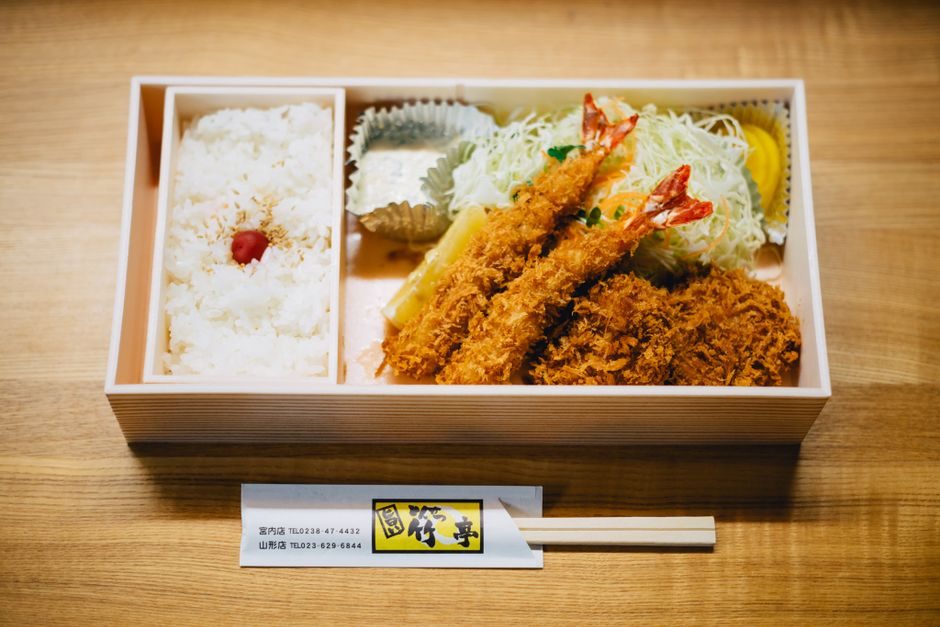
Avoid single massive compartments if you want to maintain Japanese eating philosophy. You’ll revert to mixing everything together, defeating the purpose.
Skip boxes made from low-quality plastics that stain easily or retain odours. BPA-free is essential in modern Japan; reputable brands specify this clearly.
Don’t assume larger automatically means better. An oversized box encourages overeating and becomes cumbersome to carry. The Japanese principle of shokunin (craftsmanship) favours right-sizing for purpose.
Recommended Options
For beginners, Takenaka’s two-tier plastic boxes (₥1,500–2,500) are genuinely reliable—you’ll spot them in every konbini and department store.
For food enthusiasts preparing traditional components—thin-sliced vegetables requiring fine technique, fresh ginger, wasabi—tools like the Benriner BN-1 Japanese Mandoline Slicer and Kyocera Ceramic Fine Grater elevate your preparation game. These professional-grade tools appear in countless Japanese kitchens precisely because they deliver consistent results.
For commuters and those without office microwaves, the thermal category is worth the investment. Japanese brands have perfected insulation; you’re paying for proven design.
FAQ
Q: Can I use a regular container instead of an actual bento box?
A: Technically yes, but you’ll lose the psychological and practical benefits of compartments. Japanese lunchtime is partly about the container’s role in structuring your meal.
Q: Are wooden boxes really better?
A: Better aesthetically and subtly in flavour, but demanding. Plastic or stainless steel suits most modern lifestyles better.
Q: How much should I spend?
A: A solid everyday box costs ₥2,000–4,000. Thermal models justify ₥5,000–7,000 if you use them daily.
Q: What size is best for adults?
A: Most Japanese adults eat 700–900 ml at lunch. Start there and adjust downward if needed.
Choosing a bento box ultimately reflects how you want to eat. Whether you prioritise tradition, practicality, or aesthetics, Japan’s bento culture has perfected options for every preference. Start with something modest—a reliable plastic or stainless steel box—and let the ritual of thoughtful lunchtime preparation reveal what matters most to you.
Seen in Everyday Life in Tokyo
A Real-Life Note from Japan
What I Often See in Japanese Stores
Related Japanese Products
The products below came up naturally in the context of this article. We only recommend items that genuinely connect to the topic.
| Product | Brand | Best For | Amazon |
|---|---|---|---|
| Benriner BN-1 Japanese Mandoline Slicer | Benriner | Home cooks who want professional-speed, paper-thin slicing for salads and garnishes | Search on Amazon |
| Kyocera Ceramic Fine Grater | Kyocera | Japanese cooking enthusiasts who use fresh ginger, daikon, and wasabi regularly | Search on Amazon |
| Zojirushi Stainless Lunch Jar (Bento Box) | Zojirushi | Office workers and students who want hot lunches without needing a microwave | Search on Amazon |
Benriner BN-1 Japanese Mandoline Slicer
The original Japanese mandoline — every professional kitchen in Japan has one.
Best for: Home cooks who want professional-speed, paper-thin slicing for salads and garnishes
Kyocera Ceramic Fine Grater
Kyocera’s ceramic grater delivers microplane-fine results without a metal taste.
Best for: Japanese cooking enthusiasts who use fresh ginger, daikon, and wasabi regularly
Zojirushi Stainless Lunch Jar (Bento Box)
Japan’s most reliable insulated bento jar — keeps lunch hot for hours without a microwave.
Best for: Office workers and students who want hot lunches without needing a microwave
Disclosure: As an Amazon Associate, Japanese Best earns from qualifying purchases. This does not affect our recommendations. We only feature products we genuinely believe are worth your consideration.
Editorial Disclaimer
The views, opinions, and recommendations in this article are the author’s own and reflect personal experience living in Japan. They do not constitute professional, financial, or purchasing advice of any kind.
Product availability, pricing, and specifications are subject to change without notice. Japanese Best makes no warranties — express or implied — regarding the accuracy or completeness of this content, and accepts no liability for any decisions made based on it. Always verify details directly with the retailer or manufacturer before purchasing.
コメント