Plant-Based Food Trend in Japan in 2025
June 28, 2026 | Trends & News | Japanese Best
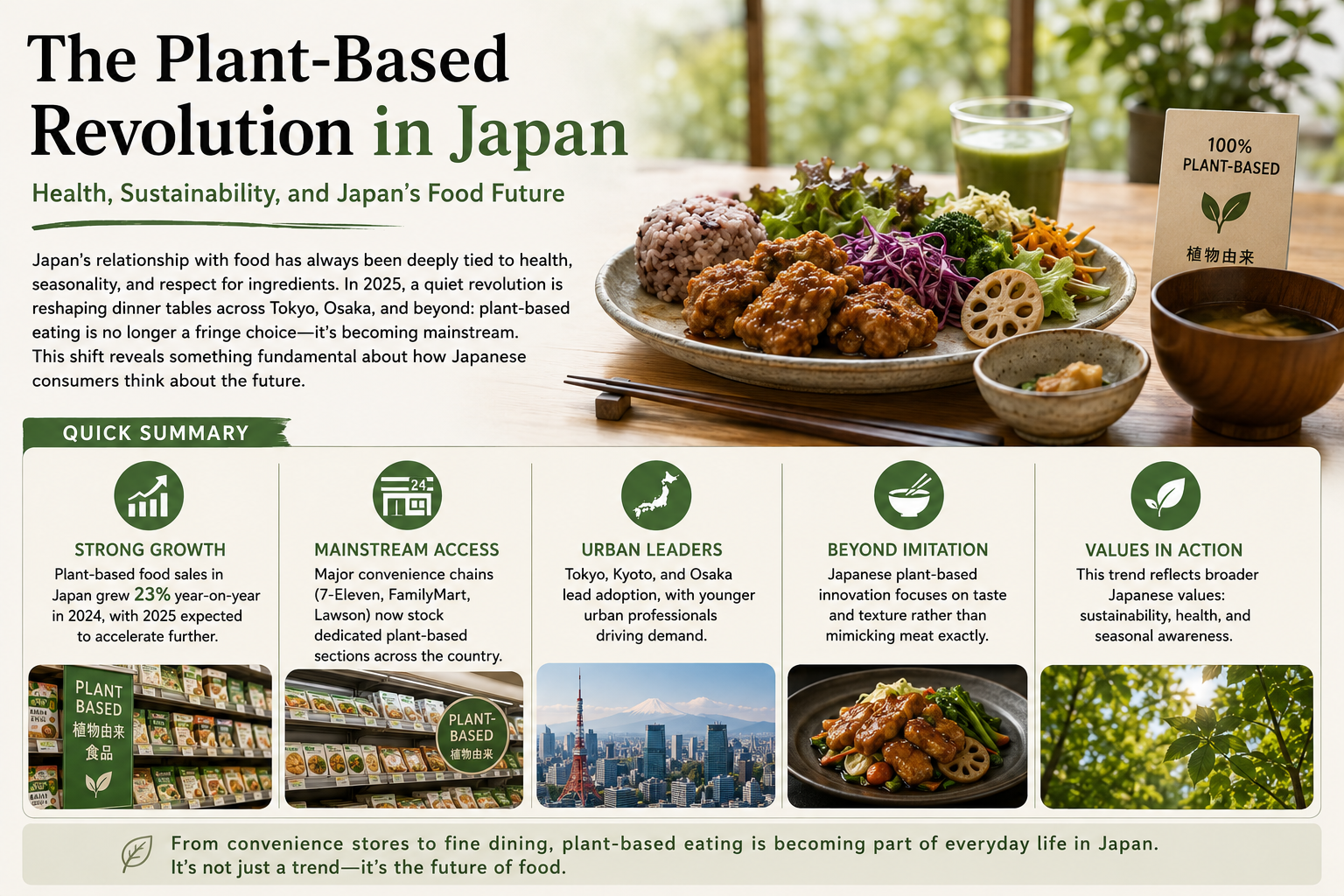
Japan’s relationship with food has always been deeply tied to health, seasonality, and respect for ingredients. In 2025, a quiet revolution is reshaping dinner tables across Tokyo, Osaka, and beyond: plant-based eating is no longer a fringe choice—it’s becoming mainstream. Whether driven by environmental concerns, health consciousness, or simply the Japanese love of culinary innovation, plant-based options are appearing everywhere from convenience store shelves to Michelin-starred restaurants. This shift reveals something fundamental about how Japanese consumers think about the future, and it’s worth understanding what’s really happening beneath the headlines.
Quick Summary
- Plant-based food sales in Japan grew 23% year-on-year in 2024, with 2025 expected to accelerate further
- Major convenience chains (7-Eleven, FamilyMart, Lawson) now stock dedicated plant-based sections across the country
- Tokyo, Kyoto, and Osaka lead adoption, with younger urban professionals driving demand
- Japanese plant-based innovation focuses on taste and texture rather than mimicking meat exactly
- This trend reflects broader Japanese values: sustainability, health, and seasonal awareness
🛒 Shop Recommended Products
The Background
Japan’s plant-based movement didn’t emerge from Western veganism trends—it grew organically from Japanese dietary traditions. Shojin ryori (Buddhist temple cuisine) has celebrated plant-based cooking for over 1,000 years, and tofu, miso, and edamame have always been protein staples. What’s different now is scale and visibility.
The 2020s saw younger Japanese professionals—particularly those aged 20–40 in metropolitan areas—questioning their relationship with meat consumption. Environmental anxiety, influenced by global climate discussions, combined with domestic health trends around gut health and longevity, created the perfect conditions. Major retailers noticed the shift first. By 2023, plant-based options in Japanese supermarkets had tripled since 2019. Food manufacturers like Nichirei and Ajinomoto invested heavily in R&D, treating plant-based products with the same rigour they’d applied to instant ramen or frozen dumplings. The result? Products that actually taste good, rather than tasting “virtuous.”
How Japanese Families Are Responding
Japanese families aren’t wholesale abandoning meat—they’re practising flexitarianism with distinctly Japanese flair. A working parent in Shibuya might pack a child’s lunchbox (bento) with edamame and inari (sweet tofu pouches) three days a week, whilst still serving karaage chicken on Friday. This isn’t ideology; it’s pragmatism.
In Tokyo’s ward of Meguro, plant-based family restaurants like T’s Tantan have become weekend destinations, not because they’re trendy, but because they serve genuinely delicious ramen and gyoza that happen to be entirely plant-based. School lunch programmes are slowly integrating meat-free days, particularly in progressive prefectures like Kanagawa. Older generations, however, remain more sceptical—for many grandparents, a meal without protein means a meal without substance. Yet even here, attitudes are softening. The key insight: Japanese families see plant-based eating as an addition to their diet, not a replacement. This nuance is crucial to understanding why the trend is gaining traction without the cultural backlash seen in some Western countries.
What Products and Services Are Popular Because of This
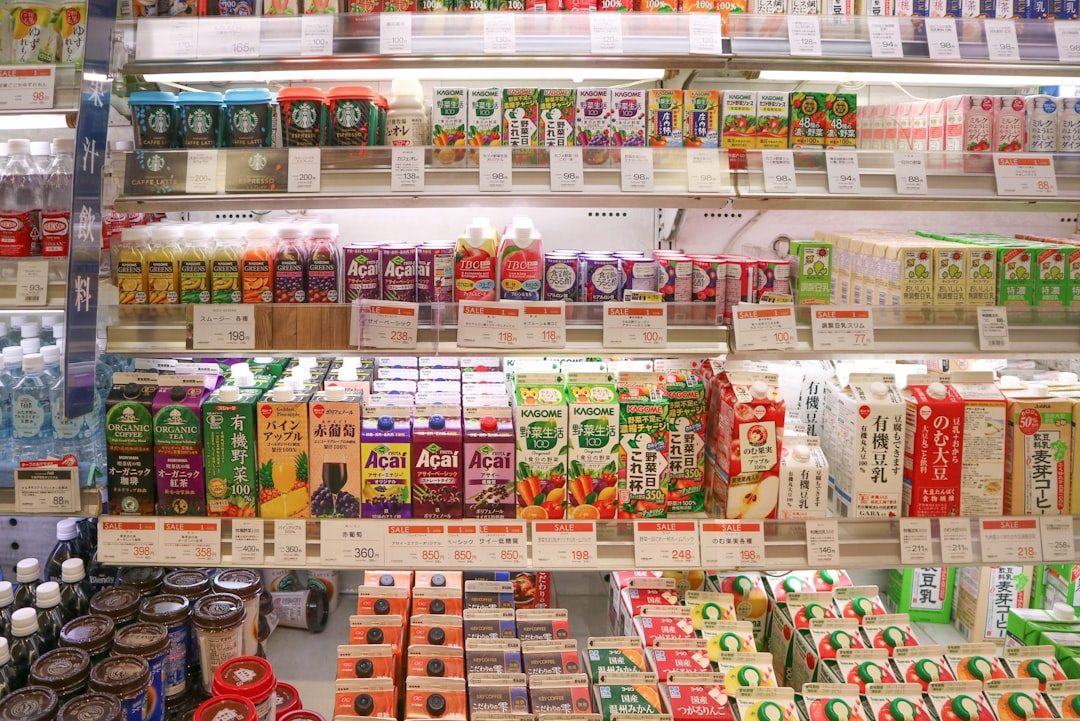
Japan’s plant-based boom has spawned genuinely innovative products. Convenience stores now stock plant-based karaage, okonomiyaki (savoury pancakes), and even plant-based katsu curry—foods that require real culinary skill to execute well. Popular items include soy-based “meat” crumbles from companies like Next Meats (founded in Tokyo), and legume-based pasta alternatives that align with Japanese preferences for firm texture and subtle flavour.
Home cooking has benefited too. The Benriner BN-1 Japanese Mandoline Slicer has become indispensable for plant-based home cooks preparing paper-thin vegetable garnishes and salads—a staple in any Japanese kitchen serious about vegetable-forward cooking. Similarly, the Kyocera Ceramic Coated Frying Pan appeals to health-conscious cooks avoiding synthetic non-stick coatings whilst preparing stir-fried vegetables and tofu dishes. For families increasing plant-based meals, reliable rice cooking remains essential; the Zojirushi NS-ZCC10 rice cooker with Neuro Fuzzy logic ensures perfect rice every time—the reliable foundation of any Japanese meal. Meal kit services specifically targeting plant-based diets have also launched in major cities, delivered fresh twice weekly.
What This Tells Us About Japan
Japan’s plant-based trend reveals the nation’s pragmatic approach to global trends. Rather than importing Western vegan ideology wholesale, Japan has integrated plant-based eating into existing culinary frameworks. This reflects a broader Japanese characteristic: respecting tradition whilst embracing change—what some call “keeping one foot in both worlds.”
The trend also signals generational shifts in urban Japan. Younger Japanese consumers are more globally aware, more environmentally conscious, and less bound by post-war dietary habits that positioned meat as a marker of prosperity. Tokyo and Osaka’s plant-based adoption outpaces rural areas significantly, mirroring the urban-rural divide that defines modern Japan across many sectors. Perhaps most telling is how Japanese companies have approached product development: with precision and respect for flavour rather than hype. This isn’t about ideology; it’s about doing things properly, a distinctly Japanese value that applies equally to plant-based gyoza as to traditional ramen.
FAQ
Is plant-based eating becoming the mainstream norm in Japan?
Not yet. Most Japanese people still eat meat regularly. However, plant-based options are becoming normalised as part of a balanced diet, particularly among urban professionals and younger demographics.
Are plant-based products more expensive in Japan?
Convenience store options are comparable in price to conventional items. Specialty restaurants and premium products cost more, similar to Western markets.
Does this conflict with traditional Japanese cuisine?
No—it actually reconnects with Buddhist temple cooking traditions that predate modern Japanese meat consumption by centuries.
Which Japanese cities have the most plant-based options?
Tokyo, Kyoto, and Osaka lead significantly, with Kyoto’s traditional Buddhist temple culture supporting particularly strong plant-based infrastructure.
The plant-based food trend in Japan during 2025 isn’t a passing fad or a Western import awkwardly transplanted onto Japanese soil. It’s a natural evolution of how Japan approaches food: with respect for ingredients, attention to health, and an ability to honour tradition whilst embracing change. As Japanese families quietly rethink their dinner tables, they’re writing the next chapter of modern Japanese food culture—one that’s sustainable, delicious, and distinctly their own.
Seen in Everyday Life in Tokyo
A Real-Life Note from Japan
What I Often See in Japanese Stores
Is it worth buying Japanese trends over cheaper alternatives?
For most use cases, yes — if you plan to use the product daily or for many years. Japanese trends tend to have a longer useful lifespan, which often makes the total cost of ownership lower than a cheaper alternative replaced every 2–3 years. That said, always match the product to your actual needs.
How long do Japanese trends typically last?
With proper care, quality Japanese trends are designed for 10 years or more of daily use. This is not incidental — it reflects what Japanese domestic consumers expect.
Where can I buy authentic Japanese trends online?
The safest options are Amazon (from the brand’s official store or well-reviewed sellers), direct brand websites, or authorised international retailers. Avoid unverified marketplace listings for high-value items.
Related Japanese Products
The products below came up naturally in the context of this article. We only recommend items that genuinely connect to the topic.
| Product | Brand | Best For | Amazon |
|---|---|---|---|
| Zojirushi NS-ZCC10 | Zojirushi | Families who want reliable, consistently great rice without spending on IH | Search on Amazon |
| Benriner BN-1 Japanese Mandoline Slicer | Benriner | Home cooks who want professional-speed, paper-thin slicing for salads and garnishes | Search on Amazon |
| Kyocera Ceramic Coated Frying Pan | Kyocera | Health-conscious cooks who avoid PTFE/Teflon coatings | Search on Amazon |
Zojirushi NS-ZCC10
A beloved micom rice cooker with Neuro Fuzzy logic for consistently fluffy rice.
Best for: Families who want reliable, consistently great rice without spending on IH
Benriner BN-1 Japanese Mandoline Slicer
The original Japanese mandoline — every professional kitchen in Japan has one.
Best for: Home cooks who want professional-speed, paper-thin slicing for salads and garnishes
Kyocera Ceramic Coated Frying Pan
Japan’s ceramics giant applies its expertise to cookware — a healthier non-stick alternative.
Best for: Health-conscious cooks who avoid PTFE/Teflon coatings
More From Japanese Best
Disclosure: As an Amazon Associate, Japanese Best earns from qualifying purchases. This does not affect our recommendations. We only feature products we genuinely believe are worth your consideration.
Editorial Disclaimer
The views, opinions, and recommendations in this article are the author’s own and reflect personal experience living in Japan. They do not constitute professional, financial, or purchasing advice of any kind.
Product availability, pricing, and specifications are subject to change without notice. Japanese Best makes no warranties — express or implied — regarding the accuracy or completeness of this content, and accepts no liability for any decisions made based on it. Always verify details directly with the retailer or manufacturer before purchasing.
コメント