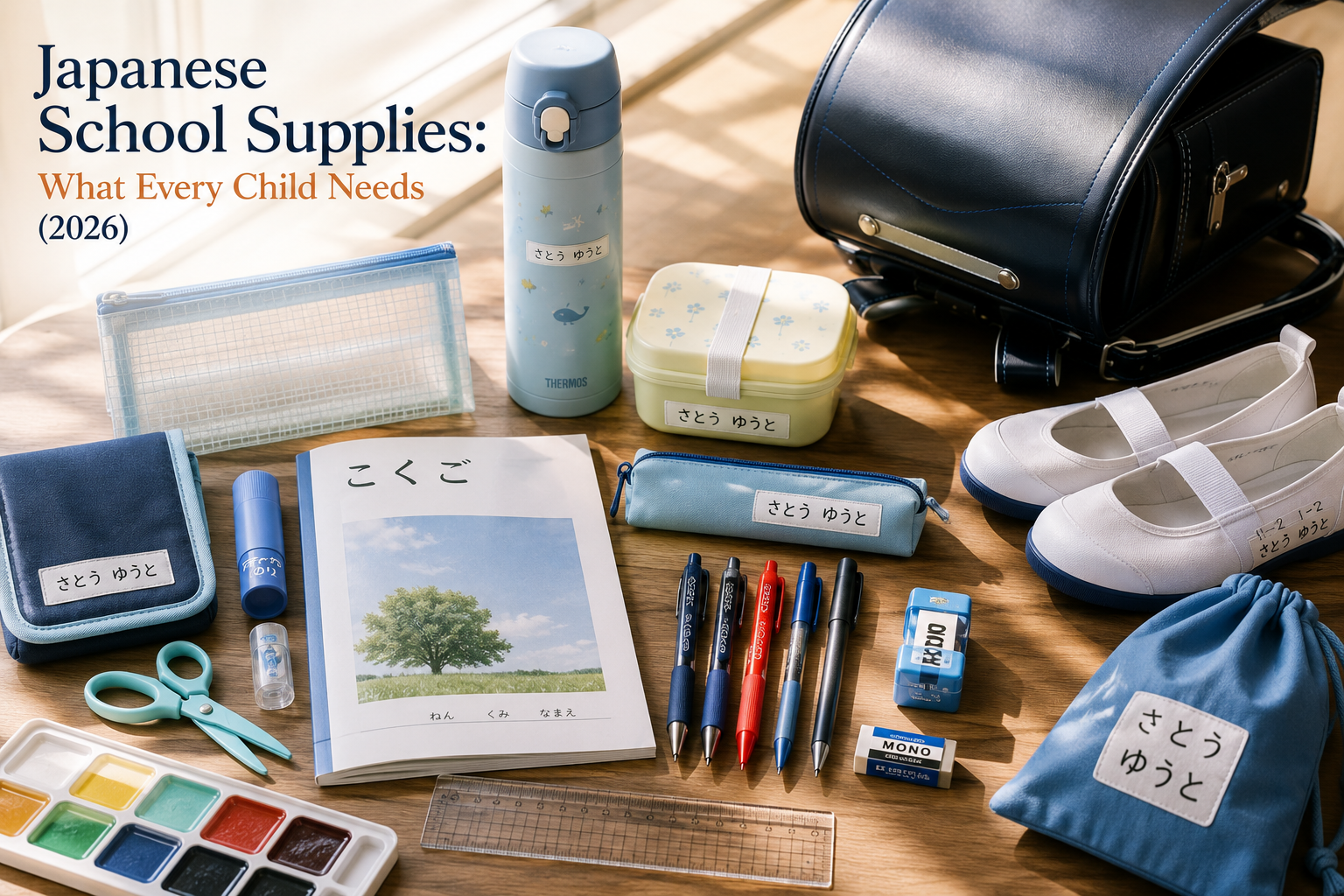
Japanese School Supplies: What Every Child Needs (2026)
June 28, 2026 | Parenting | Japanese Best
When your child starts school in Japan, you’ll quickly discover that the stationery aisle isn’t just about pens and pencils—it’s a carefully considered reflection of Japanese educational philosophy. Japanese parents approach school supplies with the same thoughtfulness they apply to every aspect of their child’s development, viewing tools of learning as extensions of discipline, creativity, and respect. Whether you’re relocating to Tokyo, enrolling your child in an international school, or simply curious about how Japanese families prepare for the school year, understanding what children actually need—and why—reveals something profound about Japanese parenting culture.
Quick Summary
- Japanese children use specific, high-quality stationery that encourages neat handwriting and careful work habits
- Schools provide detailed supply lists; parents expect to source items from specialty shops like Tokyu Hands or local konbini
- Erasable pens, quality gel pens, and mechanical pencils are staples—mistakes are treated as learning opportunities, not failures
- Physical organisation (bento boxes, lunch jars, indoor shoes) matters as much as writing tools
- Japanese schools emphasise shared responsibility: children clean classrooms and manage their own supplies from year one
How Japanese Parents Approach This
Japanese parents view school supply selection as part of their child’s character development. There’s an expectation that children will care for their belongings, use tools respectfully, and understand that quality items deserve careful handling. Rather than buying the cheapest option, parents often invest in mid-range, durable supplies—a philosophy rooted in the concept of mottainai (respect for resources and avoiding waste).
Supply lists in Japan are remarkably detailed. When you receive yours—whether in Chiyoda Ward, Osaka, or rural Nagano—you’ll find specifications: pencil hardness (typically HB or 2B), specific notebook grid sizes (5mm squares are standard), and exact measurements for indoor shoes. Schools aren’t being pedantic; this standardisation helps teachers spot who needs support and ensures visual consistency that reduces distractions. Parents typically shop at Tokyu Hands, Don Quijote, or neighbourhood stationery shops rather than supermarkets, where staff can advise on exact specifications. The investment? A basic supply set runs ¥3,000–¥5,000 per year.
What Japanese Kids Experience
From primary school entry (age six), Japanese children learn that school supplies are tools for learning, not toys. A first-grader receives a pencil case—usually a simple fabric pouch, not a elaborate multi-storey caddy—and is expected to maintain its contents independently by term two. Teachers don’t repeatedly remind children to bring supplies; this responsibility becomes part of self-discipline.
Handwriting receives extraordinary attention. Children practise shodo (calligraphy) and careful penmanship from age five onwards. The quality of their pen matters because it influences how they form characters. Many schools specify mechanical pencils (typically 0.5mm) rather than wooden pencils, as they maintain consistent line weight and encourage steady hand control. Erasers aren’t hidden away—making mistakes is presented as a normal part of learning. Japanese children understand that corrections demonstrate thoughtfulness, not carelessness.
Notebooks are structured precisely. Grid paper (called kankoku yoshi) dominates maths and science. Ruled paper follows strict spacing. This consistency across classrooms means children can focus on content rather than adapting to different formats daily. By upper primary, children manage multiple subject-specific notebooks, filing systems, and colour-coded folders—organisational skills that persist into adulthood.
At School vs At Home
The supplies children use at school differ markedly from home use. At school, everything is functional and consistent. At home, parents might purchase the same brands but allow greater flexibility—perhaps a slightly fancier pencil case, or art supplies for creative projects.
Schools themselves provide some items: erasers, sharpeners, and classroom cleaning supplies are often communal. Parents contribute to a kyōikuhi (education fund) of roughly ¥1,000–¥2,000 per term, covering these shared resources. Children participate in classroom maintenance—sweeping, wiping desks, organising shelves—using designated tools kept at school. This responsibility is non-negotiable; it teaches collective care and eliminates the distinction between “my supplies” and “our classroom.”
At home, the emphasis shifts slightly. Parents might encourage children to keep a homework station with comfortable seating, good lighting, and accessible supplies. Many families use small organisers or trays to help children gather materials independently before settling to study. The principle remains consistent: tools should be organised and respected, but the environment becomes more personalised.
Real-Life Examples from Tokyo
In Shibuya Ward, a typical Year Three entry includes: twelve HB pencils (sharpened by parents before the term), one mechanical pencil with spare leads, a standard eraser (usually Tombow or Pentel), one 15cm ruler, a 30cm ruler, scissors, glue stick, coloured pencils (twelve colours), and three notebooks per subject. Parents budget roughly ¥2,500 at a local Maruzen or Loft store.
A Year One parent in Minato described the handwriting journey: “The teacher expects children to grip pencils correctly from day one. We were shown the precise grip at orientation—thumb and two fingers, twenty degrees from horizontal. Teachers correct posture continuously. By October, you see the difference in line control.” She purchased a standard Zebra gel pen—fast-drying, smooth, and reliable—for practice at home, though schools typically restrict gel pens to older children.
Lunch provision reveals another supply consideration. Many Tokyo schools ask families to provide bentos (lunch boxes) rather than using a canteen. Insulated lunch jars from brands like Zojirushi become essential—keeping rice hot without a microwave means children eat proper meals. Parents purchase these around ¥4,000–¥6,000, viewing them as long-term investments that serve throughout primary and secondary school.
How This Compares to Western Parenting
Western parents often prioritise choice and personality in school supplies—character-themed pencil cases, novelty erasers, or colour-coordinated sets appeal to individual expression. Japanese parents instead prioritise function and standardisation. Where a Western child might carry a bright, patterned pencil case, their Japanese peer carries a simple dark pouch. Both approaches reflect deeper values: Western emphasis on individual identity, Japanese emphasis on group harmony and purposeful simplicity.
Western schools sometimes assume schools will provide basics; Japanese schools expect families to supply everything except textbooks and core furniture. This shared responsibility model means parents remain actively involved in their child’s learning infrastructure—they’re not delegating entirely to institutions.
The approach to mistakes differs subtly. Western culture often emphasises “trying again” with fresh starts; Japanese culture treats corrections as natural and visible. Erasable pens, which have become globally popular, originated in Japan precisely because this philosophy—mistakes are part of learning, not failures—is culturally embedded.
FAQ
Do I need to buy Japanese brands specifically?
Not necessarily. Japanese schools care about specifications, not brand loyalty. A pen must meet size and drying requirements, not come from a particular manufacturer. That said, Japanese brands like Zebra and Pilot excel at these specifications because they’re designed for Japanese classrooms.
Are supplies expensive?
Not compared to Western equivalents. A complete primary school supply set costs less than a single branded backpack in most Western countries. Japanese parents view this as reasonable investment in tools that last an entire year.
What happens if my child forgets supplies?
Teachers won’t provide replacements—this reinforces responsibility. Children learn consequences naturally. By secondary school, this habit is ingrained.
Can my child choose their own supplies?
Within school specifications, yes. Many Japanese children select their favourite colour mechanical pencil or notebook design, maintaining both choice and compliance.
Understanding Japanese school supplies means understanding Japanese education itself: structured, purposeful, and rooted in the belief that how children learn matters as much as what they learn. The humble pencil case teaches discipline, respect, and responsibility before any lesson begins.
Seen in Everyday Life in Tokyo
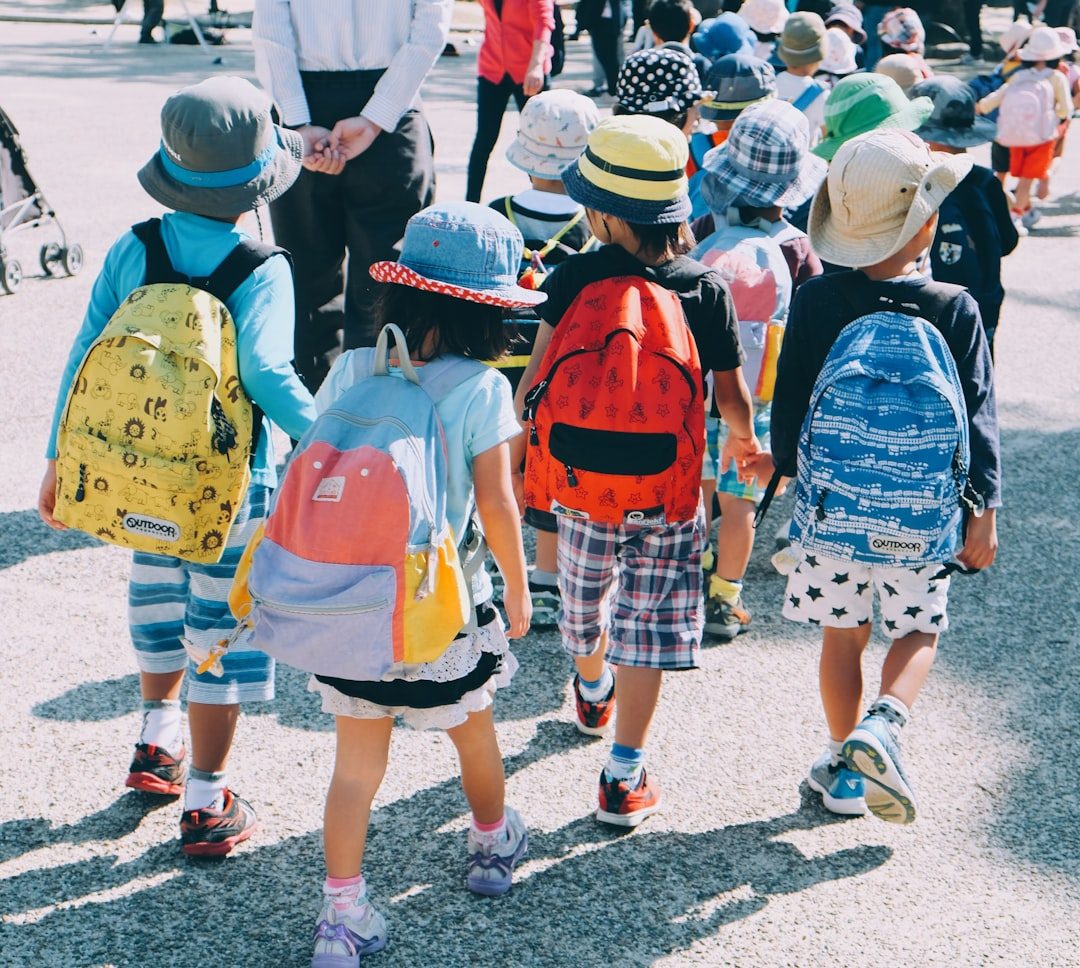
A Real-Life Note from Japan
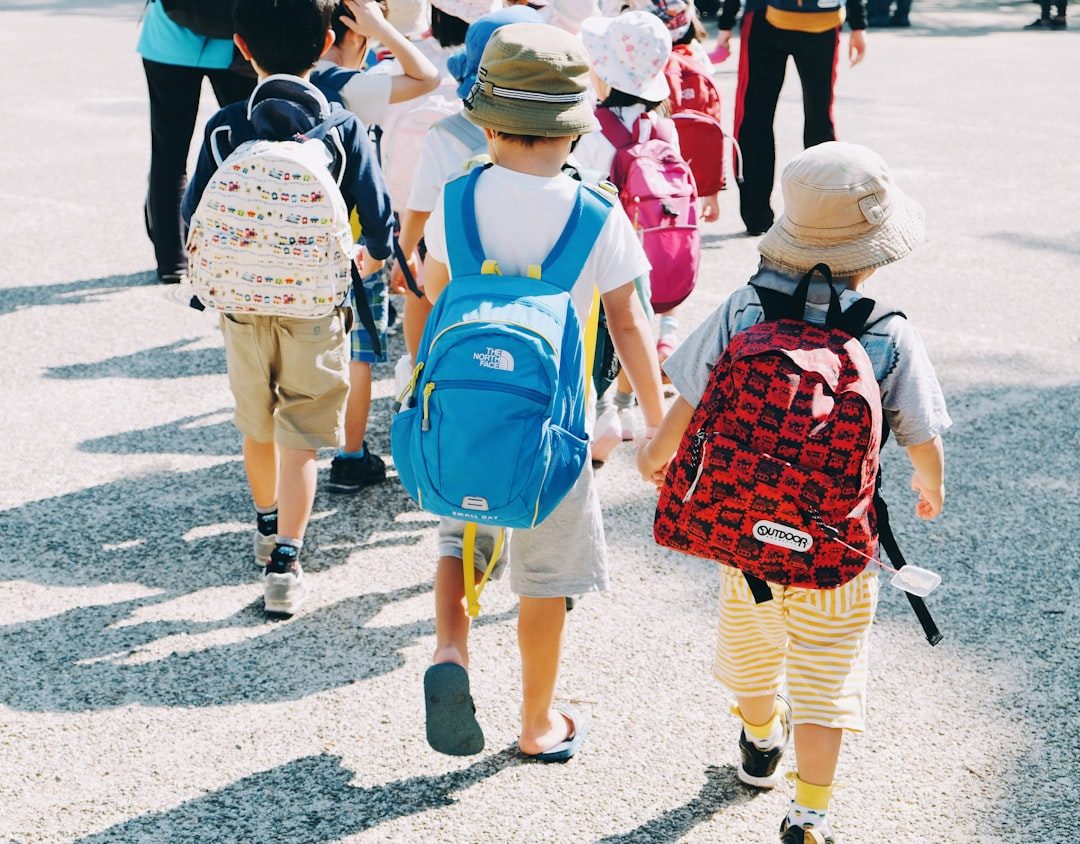
What I Often See in Japanese Stores
Is it worth buying Japanese parenting over cheaper alternatives?
For most use cases, yes — if you plan to use the product daily or for many years. Japanese parenting tend to have a longer useful lifespan, which often makes the total cost of ownership lower than a cheaper alternative replaced every 2–3 years. That said, always match the product to your actual needs.
How long do Japanese parenting typically last?
With proper care, quality Japanese parenting are designed for 10 years or more of daily use. This is not incidental — it reflects what Japanese domestic consumers expect.
Where can I buy authentic Japanese parenting online?
The safest options are Amazon (from the brand’s official store or well-reviewed sellers), direct brand websites, or authorised international retailers. Avoid unverified marketplace listings for high-value items.
Shop Japanese Products
If you’re inspired by what Japanese families use in this area, you can find a wide range of authentic Japanese products on Amazon:
Shop Related Japanese Products on Amazon
More From Japanese Best
Disclosure: As an Amazon Associate, Japanese Best earns from qualifying purchases. This does not affect our recommendations. We only feature products we genuinely believe are worth your consideration.
Editorial Disclaimer
The views, opinions, and recommendations in this article are the author’s own and reflect personal experience living in Japan. They do not constitute professional, financial, or purchasing advice of any kind.
Product availability, pricing, and specifications are subject to change without notice. Japanese Best makes no warranties — express or implied — regarding the accuracy or completeness of this content, and accepts no liability for any decisions made based on it. Always verify details directly with the retailer or manufacturer before purchasing.


コメント