Kamakura Day Trip Guide for Families (2026)
June 28, 2026 | Travel Japan | Japanese Best
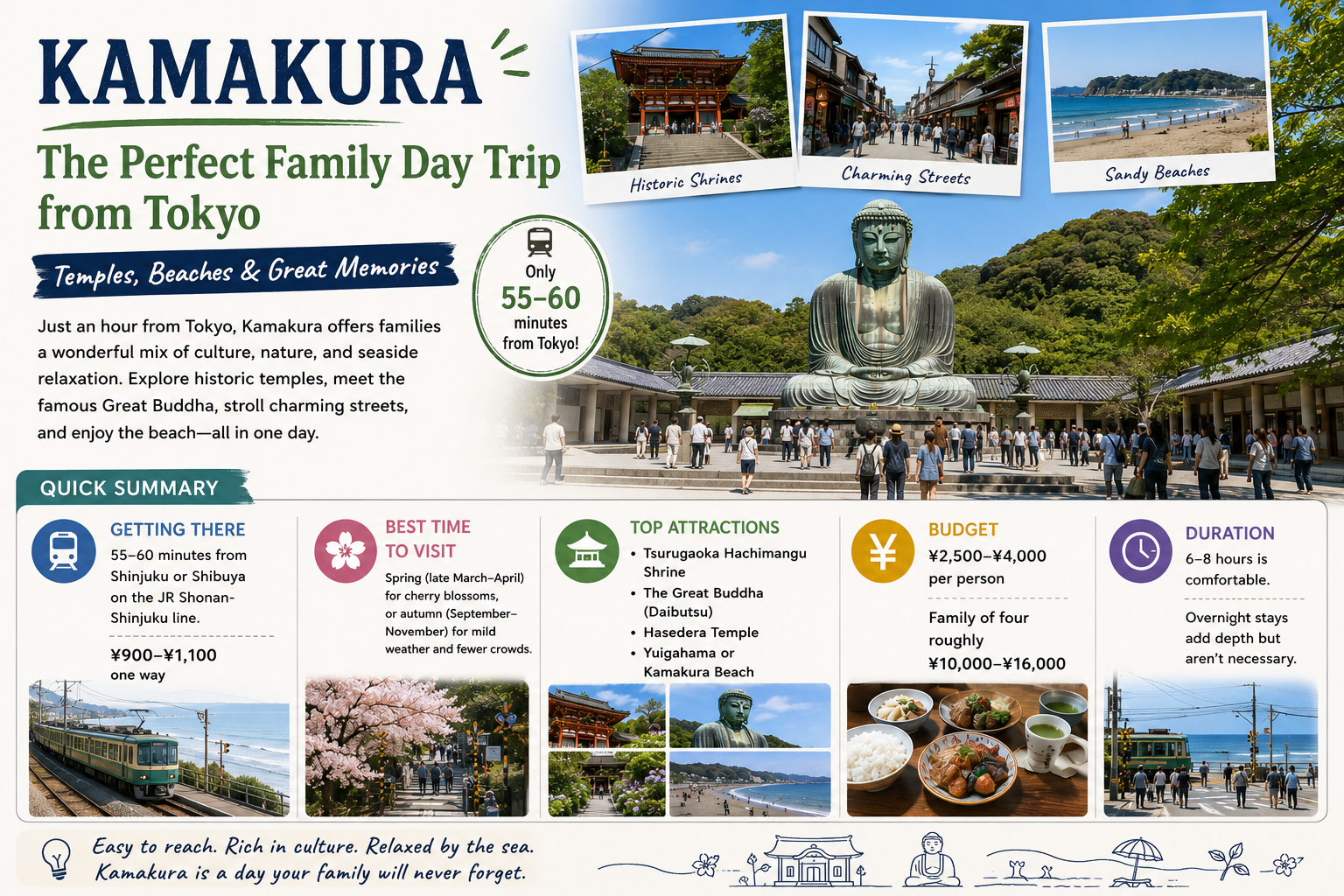
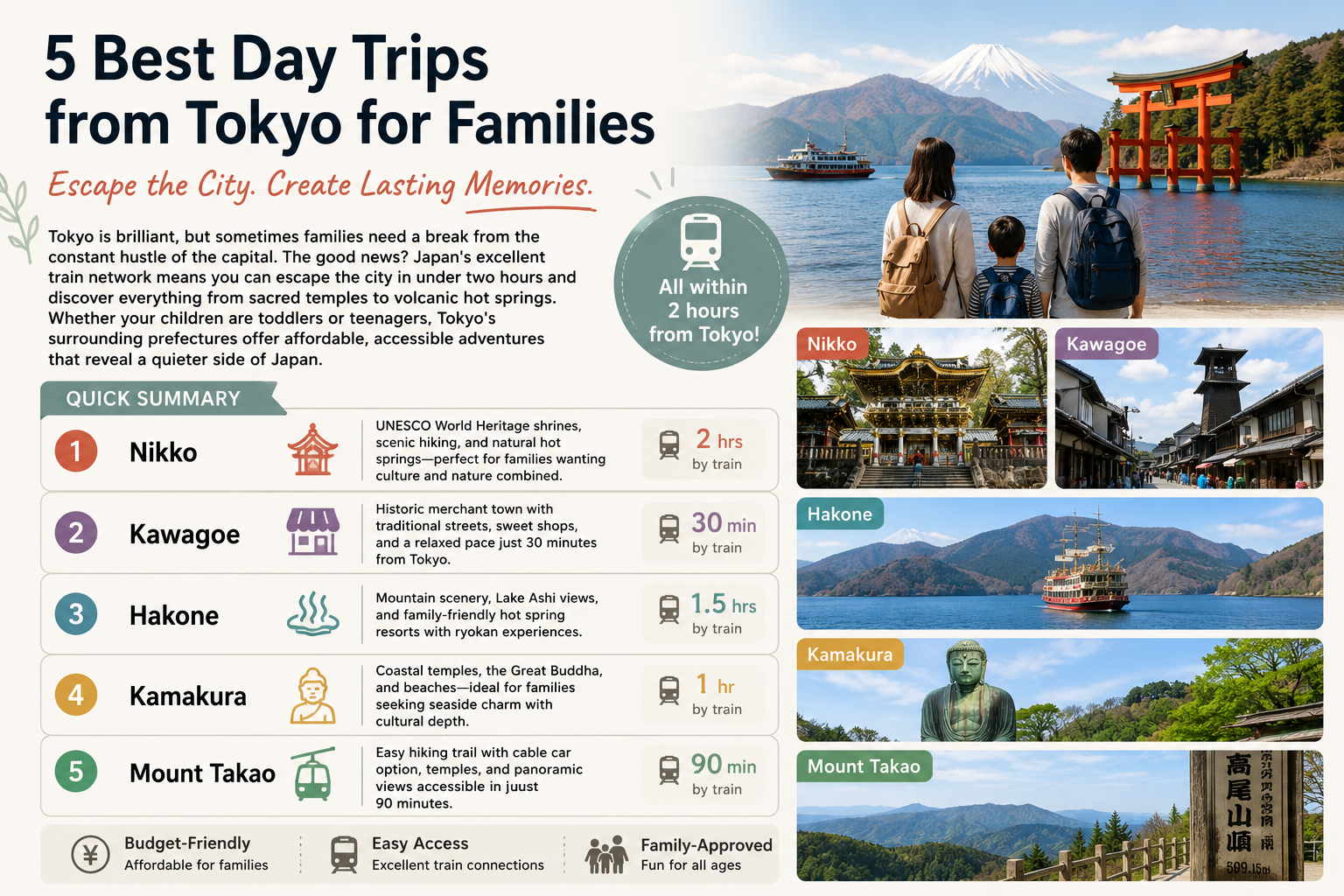
Kamakura is one of Japan’s most charming coastal towns, just 50 kilometres south of Tokyo. For families, it’s the perfect day trip: easily accessible by train, packed with temples and shrines, blessed with sandy beaches, and brimming with quirky cafés and shops. Unlike the relentless pace of Tokyo, Kamakura feels refreshingly laid-back whilst still offering genuine cultural experiences. Whether you’re exploring ancient Buddhist temples, spotting the iconic Great Buddha, or letting the children run wild on Yuigahama Beach, you’ll find something to delight every age group.
Quick Summary
- Getting there: 55–60 minutes from Tokyo’s Shinjuku or Shibuya stations on the JR Shonan-Újino line; single tickets cost around ¥900–¥1,100
- Best time to visit: Spring (late March–April) for cherry blossoms, or autumn (September–November) for mild weather and fewer crowds
- Top attractions: Tsurugaoka Hachimangu Shrine, the Great Buddha (Daibutsu), Hasedera Temple, and Yuigahama or Kamakura Beach
- Budget: ¥2,500–¥4,000 per person including temple entries, lunch, and snacks; family of four roughly ¥10,000–¥16,000
- Duration: 6–8 hours is comfortable; overnight stays add depth but aren’t necessary
🛒 Shop Recommended Products
What to Expect
Kamakura is a town where nature and history intertwine seamlessly. Towering cryptomeria trees line narrow pathways leading to centuries-old temples; bamboo forests whisper overhead as you wander; and the Sagami Bay stretches beyond golden beaches. The town is compact enough to explore on foot or by renting bicycles, yet rich enough that you’ll never feel rushed.
The pace is decidedly slower than Tokyo. You’ll notice locals moving unhurried, small family-run restaurants rather than chains, and genuine quiet in certain pockets—something precious when travelling with children. Expect crowds around the Great Buddha and main shrines, particularly during weekends and holidays, but quieter spaces aren’t far away. The coastal breeze carries the scent of the sea mixed with incense from temples. Kamakura rewards wandering; the best discoveries often happen when you stray from the main tourist route.
Practical Tips
Footwear matters. Temple grounds involve walking on gravel, stone steps, and sometimes uneven surfaces. Comfortable walking shoes are essential, especially if children are in tow. Many Japanese temples require shoe removal indoors, so slip-on shoes are ideal.
Pack layers. Even in summer, coastal breezes can be cool. Spring and autumn are ideal, but a light jumper is wise year-round.
Bring water and snacks. Whilst Kamakura has plenty of cafés and restaurants, carrying a reusable water bottle saves money and keeps everyone hydrated. If you’re planning a long walk, a Zojirushi SM-SHE60AG stainless steel mug keeps hot tea or coffee fresh for hours—perfect for early morning starts or coastal walks.
Use coin lockers at the station. Kamakura Station has lockers (¥400–¥600 depending on size) where you can stash bulky items if you’re not staying overnight.
Rent bicycles. Several shops near the station rent bicycles for ¥1,000–¥1,500 per day. Perfect for covering ground without exhausting young legs.
Where to Go / What to Do
Tsurugaoka Hachimangu Shrine (¥0 entry) is Kamakura’s spiritual heart. Built in 1180, this vast Shinto shrine features a long, tree-lined approach that children often find magical. The main building offers ocean views, and the surrounding grounds include a small museum (¥600) showcasing samurai armour and historical artefacts.
The Great Buddha (Daibutsu) at Kotokuin Temple (¥300 adults, ¥150 children) is unmissable. This 13.35-metre bronze statue has watched over Kamakura for nearly 800 years. For an extra ¥20, you can enter the Buddha’s hollow interior—a peculiar thrill for children.
Hasedera Temple (¥300) sits on a hillside overlooking the town and bay. Its 11-faced Kannon statue is stunning, and the climbing stairs lead to gardens and viewpoints that reward the effort. Children aged 8+ typically manage the ascent comfortably.
Yuigahama and Kamakura beaches offer swimming in summer (lifeguards June–August) and beach walks year-round. The water is refreshing rather than warm, but perfect for paddling.
Enoshima Island (accessible by a short train journey) features a botanical garden, shrine, and seaside shops—an excellent half-day extension if you have time.
Budget and Planning
A family of four can comfortably spend a day in Kamakura for ¥10,000–¥16,000. Temple and shrine entries rarely exceed ¥500 per person; lunch at casual restaurants costs ¥1,200–¥2,000 per head; and bicycle rentals are under ¥2,000 combined. The JR pass doesn’t cover Kamakura day trips, so purchase individual tickets (roughly ¥900 return per person from Tokyo).
Arrive early—the 8:30 a.m. train gives you a full day and avoids afternoon crowds. Many temples close by 5 p.m., and you’ll want daylight for photographs. If anyone in your group is noise-sensitive during the train journey, Sony WH-1000XM5 noise-cancelling headphones create a peaceful, entertaining bubble—particularly useful when travelling with restless children.
Frequently Asked Questions
Is Kamakura suitable for very young children?
Yes, though prams become impractical on temple stairs. Children under 5 enjoy the beaches and main shrine grounds more than distant hillside temples.
Can we visit Kamakura and return to Tokyo the same day?
Absolutely—it’s the most common arrangement. The last train back is around 11 p.m.
Are there English signs?
Yes, major temples and stations have English signage, though some smaller shrines don’t. Download Google Translate offline for emergencies.
What’s the weather like?
Summer is hot and humid; winter is mild but rainy. Spring and autumn are ideal.
Can children swim at Kamakura Beach?
Yes, during official swimming season (typically early July to late August) with lifeguards present.
Kamakura rewards visitors who arrive with open minds and comfortable shoes. It’s a place where centuries of history feel alive beneath your feet, where children can climb temple stairs and chase hermit crabs on the beach, and where families find themselves genuinely unplugged. A day here rarely feels rushed; instead, it settles into a rhythm that mirrors Japan’s quieter side—one that contrasts beautifully with Tokyo’s intensity. For families seeking authentic Japanese culture without overwhelming logistics, Kamakura remains unbeaten.
Seen in Everyday Life in Tokyo
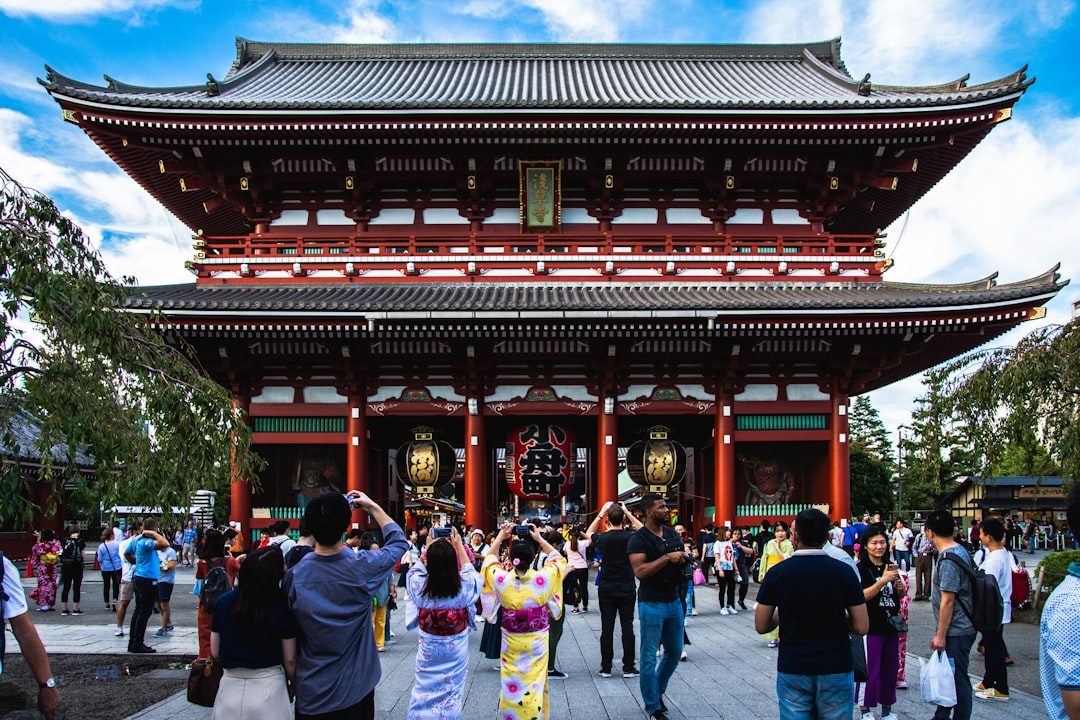
A Real-Life Note from Japan
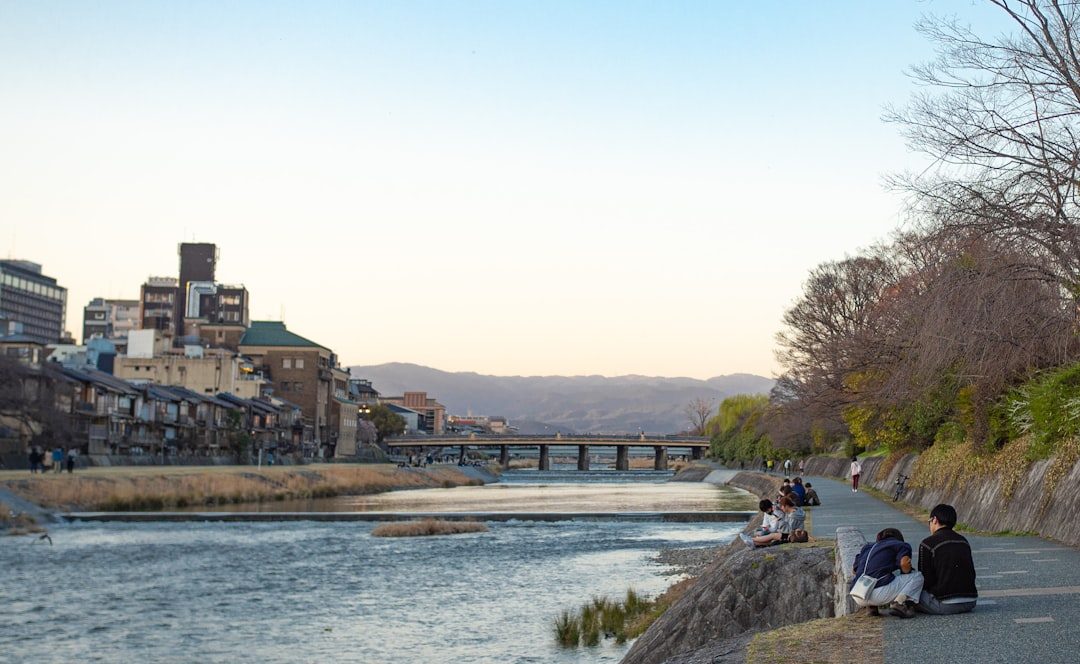
What I Often See in Japanese Stores
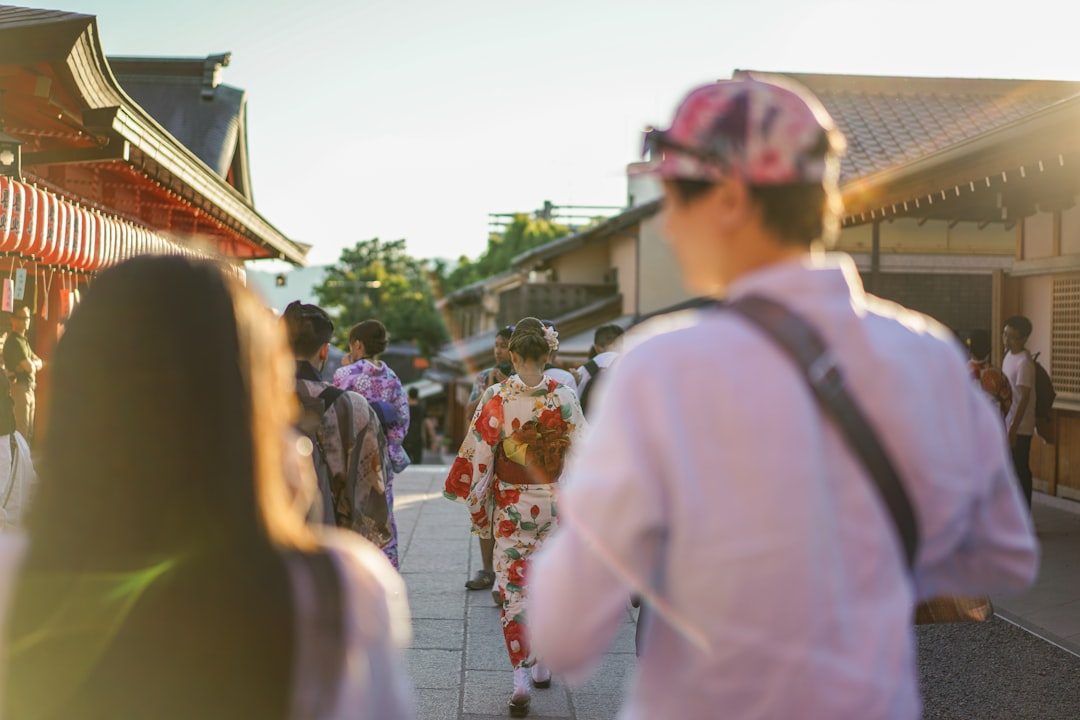
Is it worth buying Japanese travel japan over cheaper alternatives?
For most use cases, yes — if you plan to use the product daily or for many years. Japanese travel japan tend to have a longer useful lifespan, which often makes the total cost of ownership lower than a cheaper alternative replaced every 2–3 years. That said, always match the product to your actual needs.
How long do Japanese travel japan typically last?
With proper care, quality Japanese travel japan are designed for 10 years or more of daily use. This is not incidental — it reflects what Japanese domestic consumers expect.
Where can I buy authentic Japanese travel japan online?
The safest options are Amazon (from the brand’s official store or well-reviewed sellers), direct brand websites, or authorised international retailers. Avoid unverified marketplace listings for high-value items.
Related Japanese Products
The products below came up naturally in the context of this article. We only recommend items that genuinely connect to the topic.
| Product | Brand | Best For | Amazon |
|---|---|---|---|
| Zojirushi SM-SHE60AG Stainless Mug | Zojirushi | Daily commuters who want reliable, durable coffee/tea on the go | Search on Amazon |
| Sony WH-1000XM5 | Sony | Frequent travellers, remote workers, and audiophiles who want the best ANC | Search on Amazon |
Zojirushi SM-SHE60AG Stainless Mug
Zojirushi’s most popular commuter mug — slim, spill-proof, and keeps drinks hot for 6 hours.
Best for: Daily commuters who want reliable, durable coffee/tea on the go
Sony WH-1000XM5
Sony’s flagship ANC headphones — industry-leading noise cancellation and exceptional sound.
Best for: Frequent travellers, remote workers, and audiophiles who want the best ANC
More From Japanese Best
Disclosure: As an Amazon Associate, Japanese Best earns from qualifying purchases. This does not affect our recommendations. We only feature products we genuinely believe are worth your consideration.
Editorial Disclaimer
The views, opinions, and recommendations in this article are the author’s own and reflect personal experience living in Japan. They do not constitute professional, financial, or purchasing advice of any kind.
Product availability, pricing, and specifications are subject to change without notice. Japanese Best makes no warranties — express or implied — regarding the accuracy or completeness of this content, and accepts no liability for any decisions made based on it. Always verify details directly with the retailer or manufacturer before purchasing.

コメント