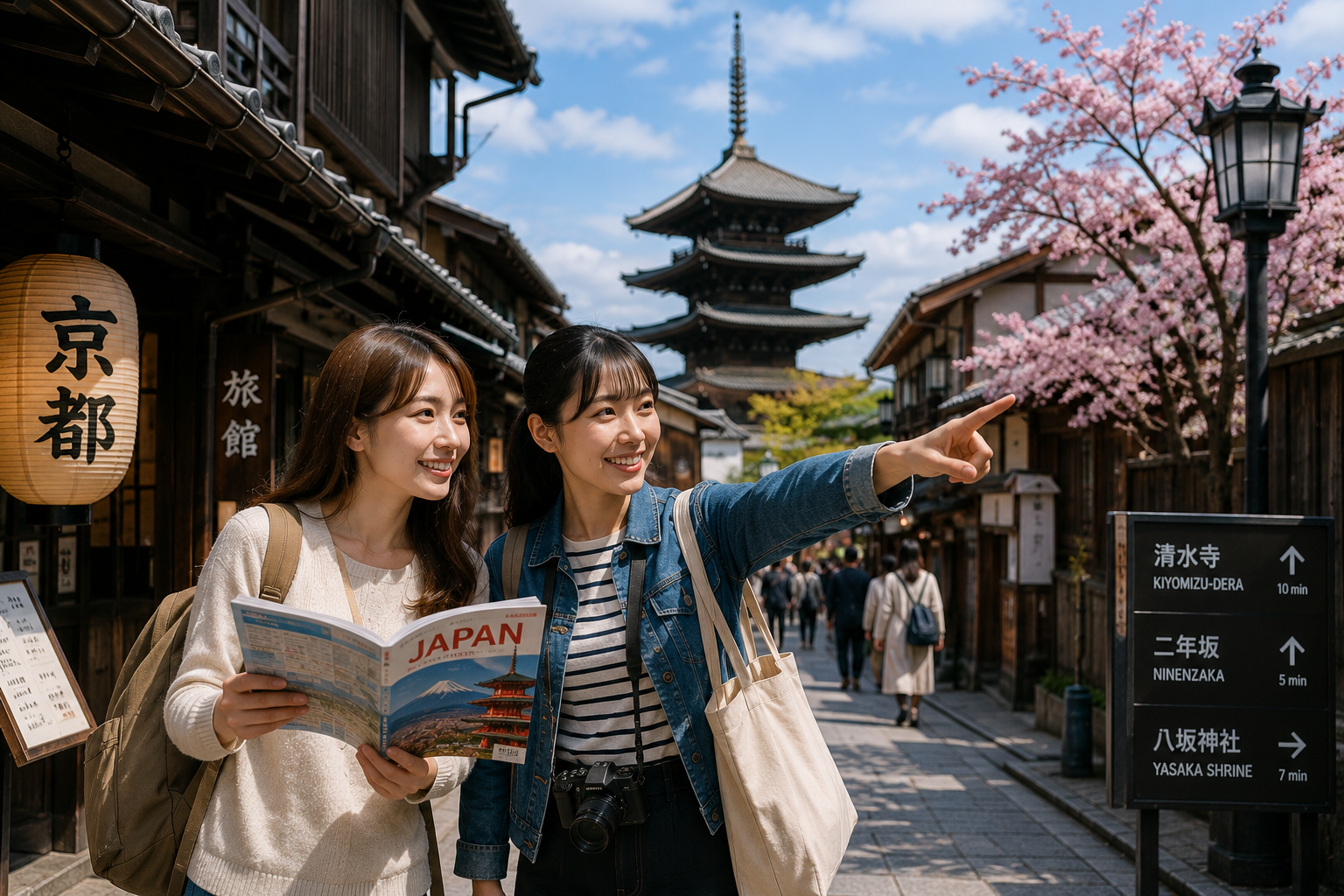
Visit Japan (2026)
June 20, 2026 | Travel Japan | Japanese Best
Introduction
Japan consistently ranks among the world’s best travel destinations — and for people who prepare well, it absolutely lives up to the reputation. Visit Japan is your starting point.
What to Expect
Visit Japan is a topic that comes up constantly among people planning their first — or fifth — trip to Japan.
Japan is one of the world’s most visitor-friendly countries, but it rewards preparation. Understanding a few key things before you arrive makes the experience significantly better.
The basics that surprise first-time visitors:
– Cash is still important (though IC cards work for most daily needs)
– Many restaurants and small businesses don’t accept credit cards
– The train system is excellent and highly reliable — learn to use it
– Public spaces are quiet; keep phone calls brief and voices low
Practical Tips
For visitors planning to experience visit japan:
Timing matters. Japan has distinct seasons that dramatically affect the visitor experience. Spring (cherry blossoms, March–April) and autumn (leaves, November) are the most popular and most crowded. Summer is hot and humid but full of festivals. Winter is cold but uncrowded and often beautiful.
Book accommodation early. Popular areas fill up, especially during holidays and festivals.
Learn basic Japanese phrases. English is increasingly available in Tokyo, but knowing arigatou gozaimasu (thank you), sumimasen (excuse me), and eigo ga hanasemasu ka? (do you speak English?) will take you far.
Get a data SIM or pocket Wi-Fi. Navigating Japan without internet access is possible but significantly harder.
Budget and Planning
Japan’s cost reputation is exaggerated for travellers who know how to eat and move like locals.
Where to save: Convenience store meals, ramen shops, standing sushi bars, and supermarket bento boxes offer excellent food at low prices. The train system is comprehensive and reasonably priced.
Where to spend: Accommodation in prime Tokyo locations is genuinely expensive. Unique experiences — ryokan stays, omakase dinners, day trips — are worth budgeting for.
A realistic daily budget for a traveller eating a mix of convenience store and restaurant meals, using public transport, and doing some shopping: ¥8,000–¥15,000 per day (roughly $55–$100), excluding accommodation.
The Japanese Perspective: What Buyers Here Actually Think
Japanese consumers approach products purchases with a depth of research and long-term mindset that differs from typical Western buying behaviour.
How Products Are Used in Japanese Daily Life
In Japan, products are considered essential household tools, not impulse buys. Families research extensively across Amazon.co.jp, Kakaku.com, and Rakuten before purchasing, and expect their chosen product to perform reliably for 10 years or more.
The concept of mottainai (もったいない — a deep reluctance to waste) shapes buying habits: Japanese consumers would rather spend more once and keep it than replace a cheaper item every few years.
What Japanese Reviews Consistently Mention
Based on patterns visible across Japanese consumer review platforms:
Most praised attributes:
– 耐久性 (taikyusei) — durability well beyond the advertised lifespan
– 使いやすさ (tsukaiやすさ) — intuitive daily use without consulting a manual
– お手入れのしやすさ — easy to clean and maintain in like-new condition
– コストパフォーマンス — total value over the product’s full lifespan
Common concerns in Japanese reviews:
– Premium models have a higher initial price (though most reviewers conclude it is justified)
– Instruction materials on some models may be Japanese-only; check before purchasing
– Verify voltage compatibility for products designed for Japan’s 100V electrical system
Why Japanese brand Resonate With Japanese Consumers
These brands have maintained consistent domestic approval ratings in Japan for years. Japanese users often describe them not as premium options but simply as the right choice for people who care about quality.
Products that rank highly in Japan’s domestic market have passed through a quality filter that few global products can match — Japanese consumers leave detailed negative reviews for underperforming products, so sustained high ratings mean something.
What This Means for International Buyers
For overseas buyers, the key insight is: buy once, buy right. The brands featured here are available internationally on Amazon. Buying through legitimate channels ensures the same product quality Japanese consumers rely on every day.
Many Japanese reviewers also note that products from these brands make excellent gifts — they are recognisable quality products that recipients immediately understand and appreciate.
Frequently Asked Questions
Is visit japan in Japan very different from other countries?
Yes and no. The fundamentals are often similar, but the way Japanese families approach visit japan reflects distinct cultural values — particularly around reliability, quality, community, and seasonal awareness. The differences become clearer the longer you observe Japanese daily life.
Do you need to speak Japanese to understand visit japan in Japan?
For visitors, basic Japanese phrases help significantly. For deeper understanding of the culture around visit japan, learning Japanese opens up a much richer picture. That said, a lot of relevant information is now available in English, and many Japanese people in cities like Tokyo are comfortable with basic English communication.
Where can I learn more about everyday life in Japan?
Beyond this article, Japanese family and lifestyle YouTube channels, Reddit’s r/japan and r/japanlife communities, and English-language Japanese media provide excellent ongoing perspectives. Following Japanese people on social media who document daily life is also revealing.
How has visit japan changed in Japan recently?
Like most aspects of Japanese society, visit japan is evolving — particularly as younger generations develop different priorities from their parents. The core cultural values remain consistent, but the expressions of those values are shifting.
Conclusion
Visit Japan is one of those topics that rewards close attention. The more you understand about how Japanese families approach visit japan, the more you appreciate the consistency and thoughtfulness built into everyday Japanese life.
If you’re curious to go deeper, explore our other articles on Travel Japan — or browse our guides to Tokyo life, Japanese food culture, and everyday family routines.
Last updated: June 2026 | Japanese Best — Discover What Japanese Families Actually Use, Buy and Enjoy
More From Japanese Best
Disclosure: As an Amazon Associate, Japanese Best earns from qualifying purchases. This does not affect our recommendations. We only feature products we genuinely believe are worth your consideration.
Editorial Disclaimer
The views, opinions, and recommendations in this article are the author’s own and reflect personal experience living in Japan. They do not constitute professional, financial, or purchasing advice of any kind.
Product availability, pricing, and specifications are subject to change without notice. Japanese Best makes no warranties — express or implied — regarding the accuracy or completeness of this content, and accepts no liability for any decisions made based on it. Always verify details directly with the retailer or manufacturer before purchasing.

コメント